

Imagine stepping into the quiet pulse of a data center before sunrise—the glow of servers, hum of cooling systems, and a team carrying the weight of digital infrastructure on their shoulders. This is “a day in the life of datacenter employees,” where every routine, alert, and shift change quietly powers the world’s technology.
Stepping Into a Data Center: Observing the Daily Pulse of Datacenter Employees
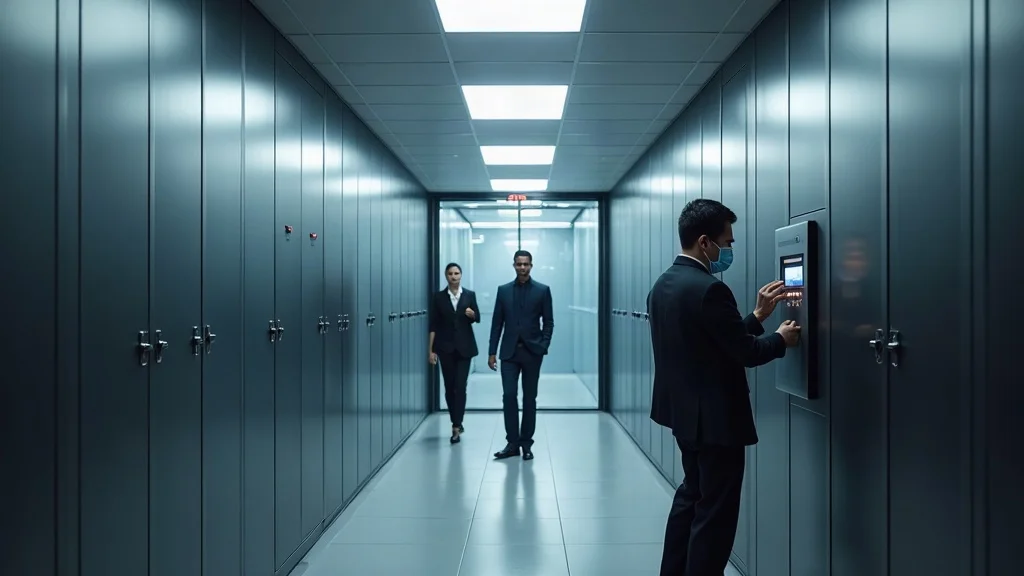
When first entering a data center, visitors are met with an environment that feels both industrial and intimately orchestrated. The contrast between the hushed, climate-controlled aisles and the rigorous security protocols is immediately clear. Employees—technicians, engineers, support—stream through tightly controlled access points, badges ready, eyes focused. Every movement, from checking in at the security desk to the subtle exchange of nods between shift mates, signals this is a place where uptime and security are never background concerns.
First impressions inside a data center facility
The intersection of physical and digital security
Early morning routines for data center engineers and technicians
“A data center is a city that never sleeps—a continuous hum of servers, people, and invisible questions.” — Anonymous Center Engineer
Technicians and data center engineers arrive early, starting their days with systematic checks that bridge the digital and physical worlds. Security measures—two-factor authentication, badge scans, video verification—ensure only authorized personnel pass. This commitment to security shapes not only the data center’s operations but also the mindset of every team member, reinforcing the weight of their responsibilities from the first moments on the job.
What You’ll Learn in This Guide to a Day in the Life of Datacenter Employees
Key responsibilities of data center technicians and center engineers
How data centers influence cloud providers and AI infrastructure
Interviews with senior data center engineers about routine and incident response
Community impact and emerging patterns in data center operations
This comprehensive guide offers a narrative and analytical deep dive into what defines a day in the life of datacenter employees. You’ll find first-hand accounts and expert commentary, plus practical insights for those curious about joining this fast-evolving field or better understanding the invisible backbone behind today’s digital services.
As you explore the evolving responsibilities and daily routines of data center teams, it’s clear that artificial intelligence is playing an increasingly pivotal role in shaping operations and career growth. For a deeper look at how AI is transforming data center management and the broader tech landscape, visit the AI Guidance Hub for practical resources and expert insights.
Meet the Team: Data Center Engineers and Technicians at Work
Roles and skillsets within the data center technician team
The importance of senior data and center engineers on shifts
Pathways: From entry-level technician to data center engineer
A multi-perspective look—quotes from day shift and night shift employees

“We’re custodians of uptime—when we walk the floor, every click and blink is our responsibility.” — Senior Data Center Technician
Within every data center, the heart of operations is the technician team. Entry-level data center technicians perform hands-on tasks: equipment checks, hardware swaps, and physical floor walks through the cold aisle. Their attention to detail ensures tiny anomalies are found before they snowball. Senior data center engineers lead complex troubleshooting—balancing system loads, capacity planning, and guiding responses during maintenance windows or unplanned incidents.
Day and night shifts carry their own rhythm. While day technicians handle vendor escorts, equipment upgrades, and routine monitoring, night shift employees are guardians during the center’s quietest, most vulnerable hours. Both roles demand mental focus, technical skill, and comfort with the physical demands of the environment. Career progression often leads from technician roles to specialized center engineer positions over several years, especially for those actively seeking out certifications and mentorship.
The Rhythms of the Day: Schedules, Shift Work, and Incident Response
Morning in the Data Center: Routines, Handoffs, and Access Protocols
How technician role handovers ensure continuity
Data center engineer briefings and equipment checks
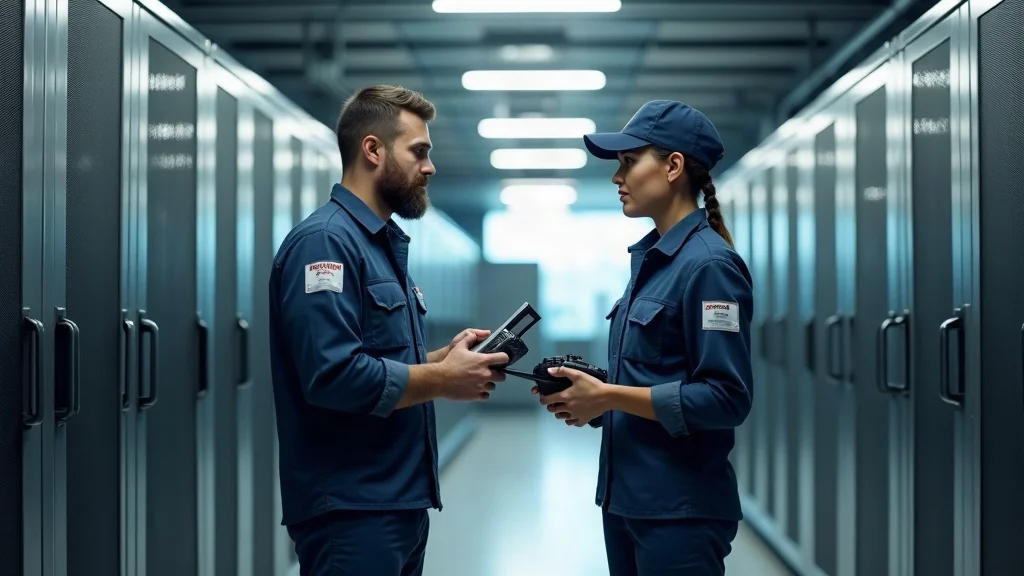
A day in the life of datacenter employees begins with clear routines. Morning technicians clock in, transition responsibilities from the night shift through structured handover meetings, and participate in briefings led by senior center engineers. These transitions aren’t mere formalities—they’re strategic checkpoints where vital information on pending incidents, ongoing maintenance windows, and operational anomalies is exchanged.
Access protocols are meticulously enforced. Technicians double-check badge access, log entries into high-security zones, and review camera feeds. Simultaneously, tools are prepped: laptops charged, cable testers calibrated, and ID badges updated. This emphasis on preparedness and communication forms the backbone of uninterrupted center operation.
Navigating Day and Night Shifts: Center Technicians’ Time Management
The unique challenges of the night shift
Fatigue, wellbeing, and protocols for community-safe operations
Center technicians and data center engineers face dramatically different landscapes depending on the shift. Day teams field higher “noise”—vendor activity, deliveries, meetings—while night shift crews enjoy quieter aisles but heightened responsibility for any after-hours incidents. Fatigue management protocols, ergonomic shifts, and scheduled breaks are enforced to maintain both performance and safety, respecting the physical and psychological toll these shifts can exact.
Night shift technicians especially underline teamwork’s importance: overlapping communication during the shift change ensures that even minor variables—a temperature dip in the cold aisle, a misbehaving switch—are flagged. The psychological reality is that these employees work under extra stress but serve as invisible stewards of community safety. Their stories often highlight resilience, vigilance, and the importance of mental health support.
Incident Response: Problem-Solving Under Pressure
Real-time troubleshooting and escalation for senior data center engineers
Patterns in 'common issue' escalation (power, cooling, hardware, security)
Community impact: Lessons learned from major incidents

When incidents arise—a server overheating, a critical cooling system alert, or an unexpected outage—center engineers and technicians respond with practiced urgency. Senior data center engineers lead real-time troubleshooting, overseeing escalation protocols and looping in necessary expertise. “Every minute counts,” notes one engineer, as even seconds of downtime can ripple through global services or disrupt a cloud provider’s real-time operations.
Over time, familiar patterns emerge. Most incidents fall into predictable categories: power fluctuations, cooling systems faltering, hardware failure, or unplanned access attempts. Post-incident reviews are conducted at every level, turning practical lessons into revised best practices. With each drill or emergency, the team’s collective “muscle memory” strengthens, creating a culture of resilience that benefits the entire community, both inside and outside the data center walls.
Walking the Floors: Physical and Digital Infrastructure in Data Centers
Critical systems: Server rooms, cooling, power, security zones
A day in the life of datacenter employees as seen through maintenance rounds
Monitoring dashboards: How AI infrastructure supports human teams
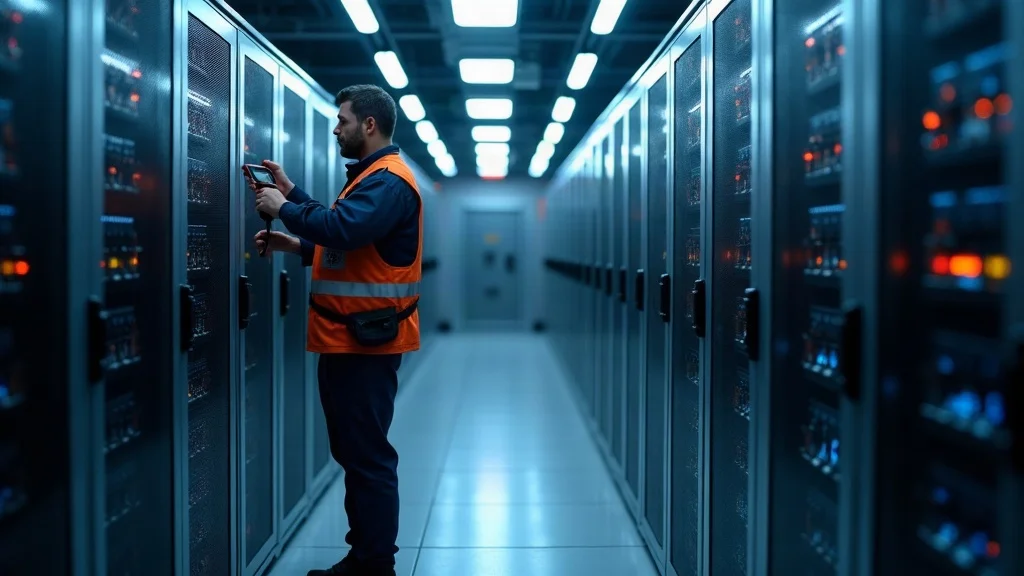
Physical and digital infrastructure run in parallel throughout a data center. Daily maintenance rounds by data center engineers cover critical systems—server rooms, robust cooling systems, power redundancy setups, security checkpoints, and environmental controls. Center technicians perform floor walks, using specialized tools like handheld scanners and cable testers to hunt for irregularities along the cold aisle and beyond.
At the same time, digital infrastructure hums in the background. Monitoring dashboards, powered increasingly by AI infrastructure, sift real-time data across thousands of metrics, flagging potential issues before they escalate. Human skill and judgment are indispensable; AI tools amplify that capacity, offering predictive insights so technician roles evolve toward higher-level troubleshooting and proactive intervention.
Team Member |
Routine Task |
Impact |
|---|---|---|
Technician/Engineer |
Morning Equipment Check |
Ensures uptime |
Senior Engineer |
Incident Response Drill |
Preparedness |
Technician |
Vendor Escort |
Security |
All |
End-of-Shift Report |
Continuity |
Human Factors: Wellbeing, Community, and Safety in Data Centers
Noise, lighting, and ergonomic considerations for data center employees
Wellbeing protocols and mental health support for shift workers
Building community among data center technicians across shifts
"You're more than just a cog—our center technicians keep the whole system breathing." – Operations Manager, Data Centre

Behind the routines and equipment, data center operations depend on human factors—wellbeing, community, and safety. Employees contend with unique environmental challenges: persistent noise from fans and cooling systems, minimal natural light, rigorous access controls, and long periods of focus. Centers invest in bright, ergonomic breakrooms, healthy snacks, and protocols designed to support shift workers’ mental and physical health.
The center’s sense of community is fostered both formally and informally—through mentoring, cross-shift events, and downtime in communal spaces. Though the technician role can feel isolated during long shifts, especially at night, shared responsibilities and peer support form the foundation of a resilient culture. Mental health discussions, respect for breaks, and an open-door policy with management all help keep employees thriving, even during high-stress moments.
Ensuring Community Safety and the Realities of Living Near Data Centers (PAA Answer)
Addressing concerns: Distance, safety, and environmental factors
Expert commentary on the impact for local residents
For local communities, questions about living near a data center often relate to noise, electromagnetic fields, or environmental footprint. Data center engineers and site managers emphasize compliance with zoning and environmental guidelines, including robust building standards and active monitoring for noise or other disturbances. Ultimately, the presence of a data center typically increases local vigilance around safety and energy use, with most facilities designed to blend thoughtfully into their neighborhoods while maintaining strict controls for resident protection.
Emerging Patterns and Challenges: The Future of Data Center Work
AI infrastructure: How automation is shaping the technician role
Sustainability goals and changes arising in data centers
Why certain issues with data centers keep recurring
“In this role, change is constant—the way forward is finding new patterns before they disrupt the community.” — Lead Center Engineer

A day in the life of datacenter employees now involves adapting to rapid change. AI infrastructure and automation have shifted technician roles toward higher-level analysis and oversight—while entry points to the career remain accessible, advancement increasingly requires learning about orchestration software, AI-backed monitoring, and energy management platforms.
Sustainability marks a key pattern: centers are under mounting pressure to lower their carbon and water footprints, upgrade cooling systems, and support renewable energy integration. Despite these innovations, certain challenges persist, including power consumption, physical security, and recurring hardware issues. Senior data center engineers point out that balanced attention to automation, environmental responsibility, and hands-on skill is the way forward for “community-safe” tech advancement.
Career Pathways: From Data Center Technician to Engineer and Beyond
Typical career paths inside data centers
Center technician vs. data center engineer: Day in the life contrasts
Advice from senior data center engineers

Inside data centers, career path journeys often progress from junior center technician to data center engineer, with some moving on to senior engineering, operations management, or even roles like cloud engineer. Entry-level technician roles focus on direct equipment interactions—physical checks in the server room, performing cold aisle maintenance and assessments, and “floor walk” tasks. With experience, certifications, and exposure to incident response, technicians may specialize or take on leadership responsibilities, influencing scheduling, protocols, and the mentoring of junior teammates.
Senior center engineers and operations managers frequently emphasize the importance of continuous learning, mentorship, and adaptability for career progression. One tells aspiring technicians: “Be curious, document everything, and never assume today’s solution will work tomorrow. ” Core themes—resilience, flexibility, and steady, incremental skill-building—define both individual success and organizational vitality.
Cloud Providers and the Data Center: Bridging Technology, Leadership, and Impact
How data center engineers support cloud providers at scale
The collaborative role between cloud engineer teams and onsite staff
Leadership moments: Decision-making on the floor

Today’s data centers are the operational muscle behind global cloud providers. Data center engineers work closely with remote cloud engineering teams, managing infrastructure at the hardware and network layers. Their mission: deliver 24/7 uptime, rapid scaling, and seamless incident response. Leadership moments emerge daily—whether deciding how to prioritize hardware upgrades, responding to an unexpected security alert, or troubleshooting connectivity between racks and virtual networks.
This partnership—between facility-based technicians and remote cloud engineers—is essential for meeting organizational service-level agreements and ensuring global systems remain resilient as demands evolve. Through daily briefings and regular collaborative sessions, the boundaries between onsite and cloud operations are blurred, but the safety, efficiency, and wellbeing of data center employees remain at the forefront.
People Also Ask: Real Questions About Life in Data Centers
Is working in a data center a good job?
Major advantages and challenges of a day in the life of datacenter employees
Perspectives from entry-level to senior data center engineer
Working in a data center offers solid job security, hands-on experience with essential technology infrastructure, and pathways to technical advancement or management. However, the role is not without its challenges—physical demands, tight routines, night shift work, and the never-ending pressure of maintaining uptime. Many employees report deep job satisfaction from problem-solving and team camaraderie, but the pace and scrutiny can be intense. Senior engineers advise: approach the field with curiosity and readiness to learn, and you’ll find both meaningful work and room to grow.
Do data centers employ a lot of people?
Workforce structures—technicians, engineers, and support staff
Trends in team size as data center facilities expand
Yes, data centers employ a range of professionals: from center technicians and engineers to facility managers, security personnel, IT support, and cleaning and logistics staff. As data center facilities scale, team sizes often increase to cover round-the-clock shifts and specialized roles, especially as new services and cloud infrastructure are deployed. However, increased automation can reduce some routine tasks, emphasizing the need for upskilling among existing staff.
How far away from a data center is IT safe to live?
Expert perspectives: Environmental, electromagnetic, and safety considerations
Community and zoning guidelines
Experts emphasize that modern data centers are built with strong safety standards and operate well within environmental and electromagnetic regulations. Living near a data center generally poses little direct health risk, provided facilities comply with all local zoning and environmental requirements. Most concerns for residents center on noise or increased traffic—but robust design and regular community engagement help address these issues proactively.
What is the biggest issue with data centers?
Recurring challenges observed by data center engineers—from power usage to security
Evolving industry solutions and future risks
The most persistent issues faced by data centers are high energy consumption, cooling requirements, hardware reliability, and maintaining rigorous physical and digital security. Senior engineers note that while automation, renewable energy integration, and security measures improve every year, these problems require constant vigilance and creative solutions—the “why this keeps coming up” challenge for the field.
Lists, Tools, and Quick Takeaways for Data Center Employees
Checklist: Preparing for a shift in the data center
Top tools and tech for center engineers and technicians
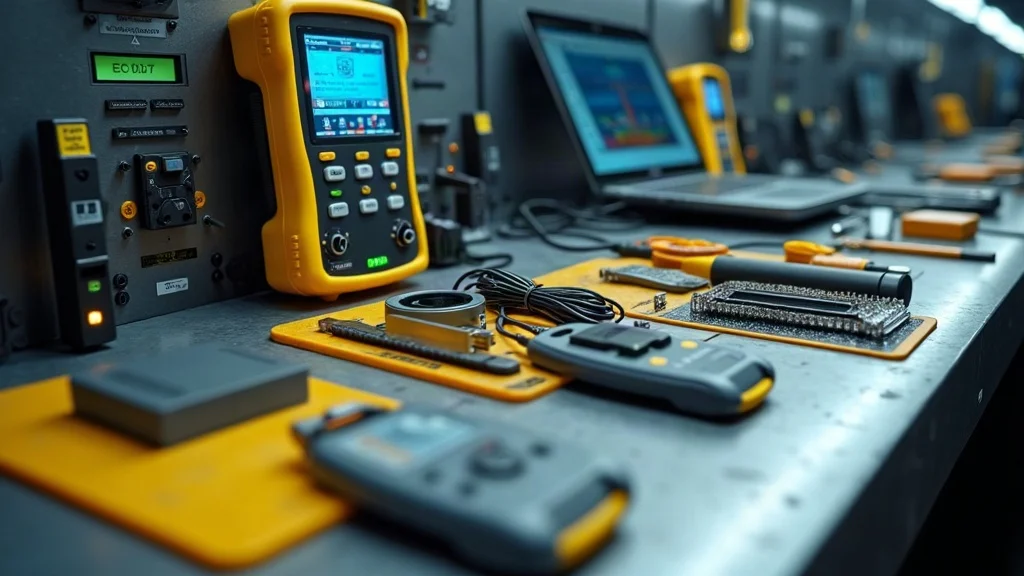
Access badge and ID
Calibrated laptop and monitoring dashboard credentials
Cable tester and utility belt
Anti-static gloves and mats
Incident report templates/logs
Healthy snacks and hydration bottle
Quick tip: A prepared technician is a resilient one. Tools like handheld cable testers, RFID readers, and mobile monitoring apps allow for nimble maintenance and rapid incident response while keeping the focus on safety and accuracy.
Expert Quotes and Mini-Interviews: Voices from the Data Center
Rapid-fire advice from a senior data center technician
“One minute, you’re updating server firmware; the next, you’re troubleshooting a facility-wide connectivity issue.” – Center Engineer
Advice on navigating career path transitions
Senior technician’s advice: “Stay curious—document everything, especially during handovers. Build flexibility into your routines; the center’s demands can change minute by minute. Invest in your wellbeing as much as your technical skills. The best troubleshooting happens when you’re rested and grounded. ”
“Transitions in your career path will test your patience,” adds a center engineer, “but each new responsibility—training juniors or leading an incident response—builds your confidence and reputation in the field. ”
Frequently Asked Questions: A Day in the Life of Datacenter Employees
What qualifications do you need to become a data center technician?
Most data centers require a high school diploma or GED, with further value placed on associate degrees in electronics, IT, or network technologies. Certifications like CompTIA, Cisco CCNA, and vendor-specific programs are especially helpful. Hands-on technical aptitude and willingness to work shift patterns complete the entry requirements.How do AI infrastructure advancements affect the technician role?
AI-powered monitoring tools automate baseline checks, freeing technicians for more in-depth troubleshooting and analysis. This shift demands new skills—technicians need fluency with analytics dashboards, scripting for automation, and understanding the interplay of human and AI decision-making.What’s the work environment really like during a night shift?
The night shift is usually quieter, but not without its own pressures. Night shift center technicians often handle solo troubleshooting and emergencies, requiring self-reliance, clear protocols, and strong communication with incoming day teams during shift transitions.
Key Takeaways and Practical Guidance for Data Center Employees
Resilient routines underpin effective incident response
Community matters—from the breakroom to the broader neighborhood
Continuous learning shapes the career path of every data center engineer

For More Insight: Connect and Continue the Conversation
Schedule a 15 minute let me know further virtual meeting at https://askchrisdaley.com
In summary: Data centers run on more than silicon—they’re powered by the people who guard every detail, adapt to sudden challenges, and quietly shape the digital world’s foundations. Their stories offer lessons in resilience, collaboration, and community-minded tech leadership.
If you’re inspired to further explore the intersection of data center operations and the future of technology, there’s a wealth of advanced guidance available. The AI Guidance Hub offers strategic perspectives and actionable advice for professionals eager to stay ahead in an industry shaped by automation, sustainability, and continuous innovation. Whether you’re charting your next career move or seeking to optimize your team’s performance, these resources can help you unlock new opportunities and deepen your impact in the evolving world of data centers.




Write A Comment