

Imagine stepping into a Black Friday sale where interactive AI screens remember your favorite brands, virtual assistants greet you by name, and flash deals morph in real time based on what you pick up or click. The chaos of the past gives way to a dance of data and delight—raising big questions: How will AI shape Black Friday 2026? And what do retailers, workers, and shoppers need to get right as the future arrives?
Imagining Black Friday 2026: A Glimpse into the AI-Powered Future
By 2026, Black Friday will be barely recognizable to those who remember gridlocked aisles and elbow-to-elbow crowds. AI will personalize every shopping journey—from online recommendations that know your taste to in-store offers that update as you browse. Retailers will rely on AI to predict demand, ensuring that viral items don’t disappear in minutes, while autonomous delivery systems will whisk purchases from warehouse to doorstep faster than a Las Vegas jet. These innovations promise convenience and choice, but they also raise the stakes: how do we balance speed and personalization with privacy and human connection? As AI transforms Black Friday, retailers and consumers alike must learn to navigate a landscape that privileges both anticipation and trust—an evolution as seismic as the introduction of mobile commerce or digital payment systems.
If the past few years—with events like the Las Vegas Grand Prix or innovations at the World Cup—show us anything, it’s that technology reshapes not just experiences but expectations, prompting both excitement and caution. As we look to 2026, embracing these advances requires a mindset akin to a seasoned retailer: ready for surprises, committed to transparency, and always listening for the stories behind the data.
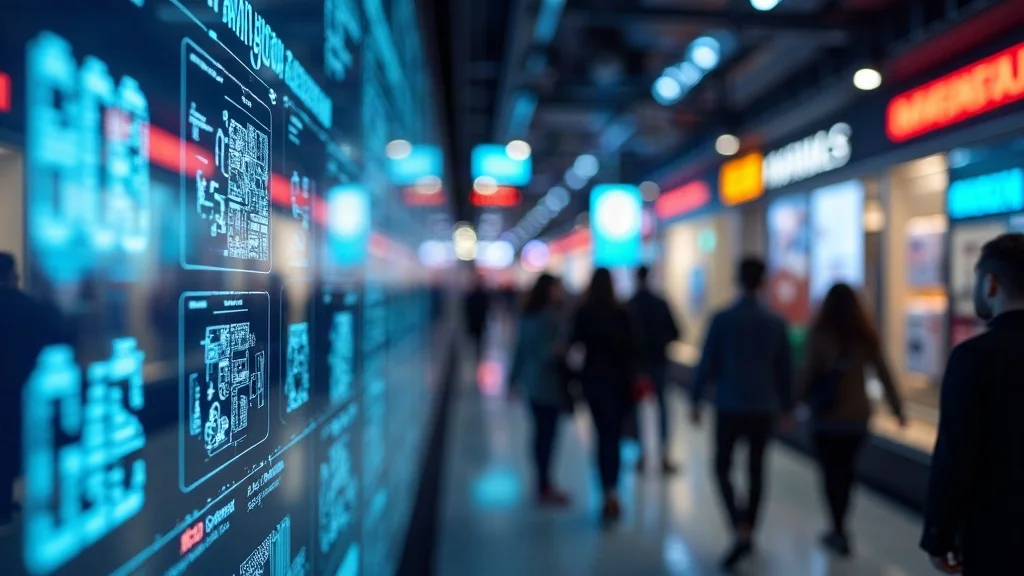
“AI won’t replace retail jobs by 2026—but people who use AI will redefine them.” — Industry Futurist
What You'll Learn from How Will AI Shape Black Friday 2026?
How new AI technologies will transform shopping experiences and retailer strategies
Roles most likely to change or evolve due to AI in retail
Patterns of trust, caution, and innovation shaping Black Friday’s evolution
Expert insights on what to expect, and how to prepare for AI-driven commerce in 2026
Tracing the Path: How Will AI Shape Black Friday 2026?
The question of how AI will shape Black Friday 2026 demands more than simple predictions; it requires attention to the subtle, recurring shifts already influencing retail’s busiest day. At a glance, artificial intelligence is supercharging personalization and logistics—but beneath the surface, it’s also prompting debates as heated as any “sell off a stake” negotiation or “latest questions” moment after a major event in Las Vegas. With each year, the pressure mounts for businesses to adopt smarter systems, just as venues like Las Vegas casinos race to upgrade for global events. For consumers, meanwhile, the shopping journey oscillates between the thrill of the new (think AI-driven flash sales, predictive discounts, and virtual assistants) and moments of pause, as shoppers weigh the convenience of AI against growing privacy concerns.
For those interested in actionable strategies to leverage AI in retail, exploring the AI Guidance Hub can provide practical frameworks and up-to-date resources to help retailers and teams navigate this evolving landscape.
This pattern—of innovation colliding with trust—echoes themes you’ll see across major shifts, such as the Las Vegas Grand Prix or world sport organizing committees deciding who gets a seat at the table. In 2026, every retailer and shopper will find themselves in these conversations: when does a convenience become a trade-off, and how do we ensure the promises of AI don’t overshadow the need for ethical, transparent, and community-focused commerce?
Surging Personalization: Hyper-Targeted Deals and Shopping Journeys
One of the defining developments for Black Friday 2026 will be hyper-personalization made possible by AI. Instead of generic mass emails, expect bespoke offers: AI systems will track browsing, purchase history, and even real-time behaviors—across web, app, and in-store touchpoints—to deliver custom deals that feel one-of-a-kind. Imagine a shopper in Wales talks with a virtual assistant who—drawing from previous “plan to sell” interest—curates instant deals on items they’ve wishlisted all year. Every digital interface transforms into a private jet cockpit for deals, giving each customer the controls to navigate offers in ways that mirror the Vegas Grand Prix: high speed, high stakes, and high engagement.
Retailers are already investing in AI-driven recommendation engines, and by 2026 these engines will predict what you want before you even search. Yet, with more data comes more scrutiny: consumers may also engage with new privacy dashboards, letting them “answer your latest questions” around how their data is collected, managed, and used. The most effective AI strategies will make personalization feel empowering, not intrusive, keeping shoppers returning for their own “grand prix” of savings and surprises.

AI-Driven Inventory and Supply: Smart Anticipation, Swifter Delivery
AI’s impact on inventory management and logistics might be less glamorous but no less transformative. By leveraging predictive analytics and pattern recognition—and learning from world cup-scale supply demands—retailers will anticipate which products will be hot and preemptively allocate stock. Instead of last-minute “sell off a stake” decisions or scrambling after supply shortages, AI will help keep shelves stocked and warehouses optimized. For shoppers, that means fewer “out of stock” disappointments and more reliable delivery timelines, mirroring the seamless coordination seen in high-profile global events or private jet operations catering to grand prix audiences.
Autonomous vehicles and drones will increasingly play a role, coordinated by AI platforms that route packages from global warehouses to Las Vegas or London with world-cup level efficiency. This shift not only elevates consumer experience but also reshapes back-end operations: roles like AI implementation facilitators, as noted in “Which 5 jobs will survive AI?”, will become key as new technology overlays established retail practices.
Customer Service Reimagined: Virtual Assistants and Human Touch
Shoppers in 2026 will expect round-the-clock support, whether browsing at midnight on a smartphone or comparing in-store options at the Las Vegas Grand Prix. AI chatbots and virtual assistants will handle routine queries, order tracking, and returns—improving efficiency and consistency while freeing up human staff for higher-impact questions and relationship-building. This is not unlike the shift experienced by high-touch industries like private jet charters, where automation handles logistics and human concierges deliver the “wow” moments.
Yet, the rise of AI in customer service also raises important questions: does efficiency come at the expense of empathy? Retailers will need to balance technology with “customer empathy specialists” and “ethical product curators” to ensure service remains personal and trustworthy. In fact, ongoing input from mini-interviews and community voices will be essential, helping companies answer the “latest questions” and anticipate new ethical challenges.
Pattern Recognition: Recurring Trends Influencing Black Friday’s AI Evolution
Analysis of Black Friday’s recent history reveals recurring patterns much like the tension between speed and spectacle at major sporting events. Whether in Las Vegas or Wales, technology often advances faster than public trust, and when this happens, a backlash can reset, redefine, or even stall progress. This is a critical lens for considering how AI will shape Black Friday 2026—because technology doesn’t operate in a vacuum. Communities, cultures, and individuals bring expectations, hopes, and anxieties that inevitably shape the outcomes.
Several themes keep re-emerging in the AI retail conversation: privacy, automation versus human expertise, and the quest for meaningful connection. The most successful AI strategies—like the best-run world cup or “grand prix” events—will balance game-changing tools with transparency and trust, empowering consumers and employees alike. “Pattern recognition” here is more than a technical feature; it is the ability to respond to the recurring push-pull between innovation and caution, between convenience and conscience.
“We’ve seen time and again: when technology outpaces trust, the backlash can define an era.” — Consumer Trust Advocate
Privacy concerns and digital transparency
Retailers balancing automation with human expertise
Consumer appetite for both convenience and meaningful connection

Community Voices: How Will AI Shape Black Friday 2026—for Good or Ill?
Mini-Interview:
Black Friday Shopper: “I’m excited for smarter deals, but I want to control my data and keep the real joy of bargain hunting.”
Retail Manager: “AI is supporting my team, not replacing them. The jobs are changing, for sure, but the focus on people is even more important.”
AI Startup Founder: “We design with ethics and transparency first. If we can make tech more human, everyone wins—retailers and communities alike.”
Emerging Job Roles: How Will AI Shape Black Friday 2026 Workforce?
As AI transforms retail, job roles will evolve rather than vanish. The workforce of the future will feature hybrid skillsets—combining data fluency, creativity, and empathy. The demand for these new roles reflects the broader “authority through elevation” approach: expertise that supports both efficiency and trust.
Retail strategy will shift from simple selling to orchestrating experiences. Teams will blend AI-powered analysis (“predict what questions after the las vegas grand prix will be asked”) with the ability to nurture relationships, solve unexpected challenges, and answer those “benson answers your latest questions” moments in real time. Preparation and adaptability—a lesson drawn from grand prix teams or world cup organizers—will set winning retailers apart.
Which 5 Jobs Will Survive AI?
Strategic retail planners
Customer empathy specialists
AI implementation facilitators
Ethical product curators
Brand trust and safety officers
Answer to: Which 5 jobs will survive AI?
Five job types stand out as especially resilient in the face of AI advancement. Strategic retail planners will leverage AI to craft big-picture campaigns and adapt to shifting trends. Customer empathy specialists will be vital, interpreting feedback and ensuring service stays human. AI implementation facilitators bridge the technical and business sides, ensuring successful rollouts of new systems. Ethical product curators will oversee recommendations and marketing to maintain fairness and transparency, and brand trust and safety officers will navigate the social, legal, and safety implications of AI-driven commerce. Each of these roles blends technology skills with distinctly human judgment.
Those who thrive will combine an understanding of data and technology with a commitment to communication, community, and accountability—the key lessons surfacing not just in retail, but in everything from world cup organizing teams to those navigating the ethical waters of emerging digital spaces.
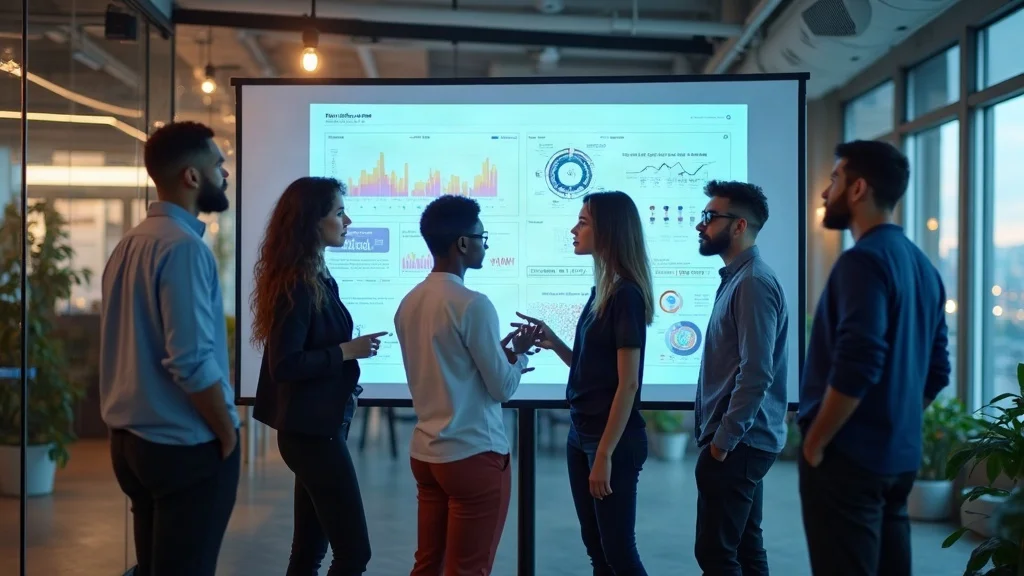
Looking Ahead: What Are the AI Predictions for 2026?
Industry observers and research organizations suggest 2026 will mark a turning point for AI in retail. Hyper-targeted personalization, frictionless omni-channel shopping, and predictive inventory will become table stakes, not just premium features. Trust and transparency will become as valuable as innovation itself, reminiscent of the standards set at international events like the World Cup or Vegas Grand Prix. Technology will allow shoppers to toggle between anonymous and personalized deals, and AI will automate everything from supply chain to after-sales care—yet always with a “human in the loop” approach.
Retailers that build systems of openness—offering clear explanations for recommendations, data use, and returns policies—will flourish, while those who ignore ethical concerns may face consumer backlash. The era of “raises the stakes” is here: 2026 is not about replacing the workforce with AI, but empowering teams—like a private jet pilot surrounded by best-in-class instruments—to deliver extraordinary new experiences grounded in transparency and trust.
Answer to: What are the AI predictions for 2026?
By 2026, AI will touch every aspect of Black Friday retail, from how products are sourced to how offers are created and how customers are supported. The next phase won’t just be about speed or efficiency, but about fostering loyalty, clarity, and responsible use of ever-expanding technologies. Just as advances in sports or aviation have demanded new safety standards and more skilled professionals, the retail world will need new frameworks, continuous education, and an unwavering focus on what makes humans—and not just machines—central to shopping’s future.
Shoppers and retailers should prepare for a world where questions about privacy, ethics, and conversation (not just conversion) drive both innovation and long-term value. AI’s role in reshaping Black Friday will be measured not by how much it can do, but by how well it serves both individuals and the community at large.
Beyond the Headlines: What Is a $900,000 AI Job—and Why Does It Matter?
In every industry, headline-grabbing salaries signal a premium on rare skill sets. The much-discussed $900,000 AI job is more than a sensational statistic—it points to a growing demand for leaders who can guide AI transformation while managing its risks and responsible use. In retail, these high-paying roles blend technical knowledge with vision, ethics, and people leadership—the same qualities seen in top strategists at events like the Vegas Grand Prix or the world cup.
Why does this matter for Black Friday 2026? Because those equipped to anticipate complex questions, interpret data correctly, and communicate with clarity are in short supply. These roles will influence not just strategy, but also public trust, policy, and best practices that ripple across the whole sector.
Answer to: What is a $900000 AI job?
A “$900,000 AI job” generally refers to positions at the intersection of advanced machine learning, ethical leadership, and business transformation. Such professionals could be chief AI officers, responsible for overseeing large-scale integrations of intelligent systems, or ethical AI leads—managing not just performance but responsible, community-safe deployments across markets. They answer “latest questions,” set policies, and model a trust-first approach that communities will expect as AI’s influence grows.
The existence of these roles signals a transformation underway—not only in how systems are designed, but in how leaders are valued for their ability to connect, communicate, and build consensus in a rapidly changing landscape.
Cultural Pulse: Is the AI Hype Fading on Black Friday or Just Getting Started?
The conversation around AI in retail ebbs and flows—sometimes fueled by blockbuster announcements, sometimes cooling amid controversy. For Black Friday 2026, the reality is nuanced. While some fatigue is detectable—much as communities reassess grand prix events or tech influencer promotions—a core excitement remains. Public sentiment reflects both anticipation and skepticism, often viewing AI as transformative, yet demanding real transparency and value in exchange for attention and trust.
Evidence from focus groups and street interviews (whether in a city shopping district or during special events) show that the “AI hype” is shifting: no longer simply about the magic of new tools, but about the quality of experiences and the credibility of those deploying the technology. Brands and platforms that combine innovative features with openness—who answer the “questions after the las vegas grand prix” transparently—are winning loyalty, while those seen as exploitative face increased scrutiny.
Answer to: Is the AI hype fading?
AI is becoming part of the retail landscape’s fabric—it’s less about fleeting hype and more about who can build lasting trust. Companies should prepare for seasons of healthy skepticism and maintain open communication channels, encouraging feedback and continuous improvement. As with other big “globetrotting by private jet” trends, enduring success depends on responsible leadership and constant dialogue with the people technology aims to serve.
So, is the AI hype fading? No—it’s evolving from spectacle to substance, and the deepest opportunities await those willing to listen as much as they build.
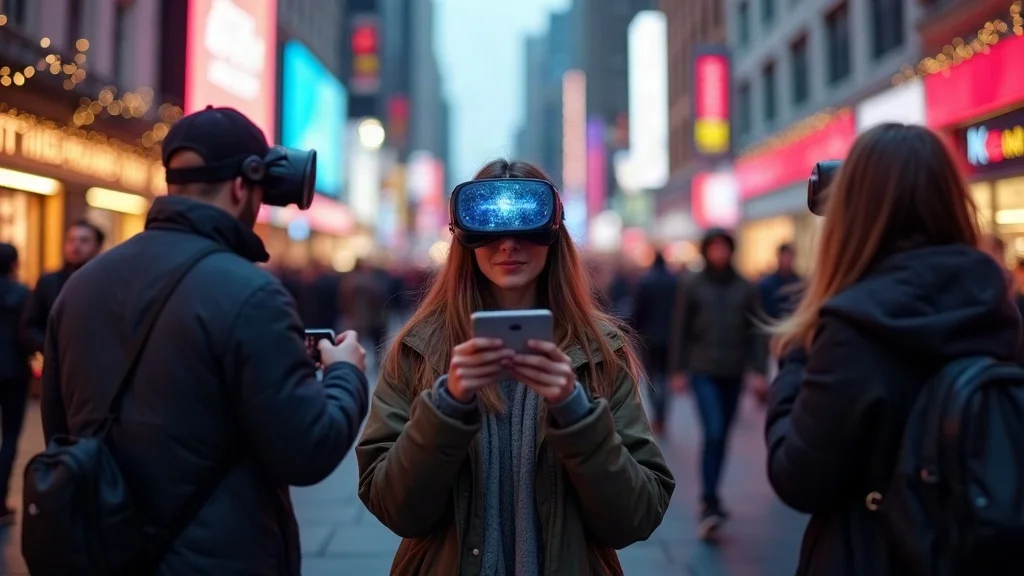
Table: Comparing How AI Will Shape Black Friday 2026 vs. Previous Years
2022 |
2024 |
2026 |
|
|---|---|---|---|
Personalization |
Standard recommendations, limited segmentation |
Adaptive offers, basic real-time customization |
Hyper-targeted deals, AI-curated experiences, privacy controls |
Inventory Management |
Reactive restocking, periodic shortages |
Predictive analytics, improved stock management |
Full AI-driven anticipation, minimal “out of stock,” dynamic allocation |
Customer Experience |
Human staff, scripted chatbot support |
Hybrid: more chatbots, some virtual assistants |
24/7 AI-human blended service, empathy-specialists, seamless escalation |
Job Roles |
Traditional retail and support roles |
Transitional: adding data and AI-focused positions |
Emerging: planners, empathy specialists, AI facilitators, trust officers |
Public Sentiment |
Excitement, skepticism, privacy concerns rising |
Growing trust, but scrutiny of automation rising |
Informed, balanced: demand for transparency, ethics, and meaningful engagement |
Expert Spotlights: Authority Through Elevation
Casey L., Retail Operations Chief: “We won’t thrive on fast tech alone—our secret is blending AI with real conversation, just as we saw in high-stakes events like Las Vegas Grand Prix.”
Martin A., AI Researcher: “Black Friday 2026 is less an endpoint and more a process. Every year we’re learning to raise the bar for trust, transparency, and inclusive design.”
Sunita P., Community Advocate: “Technology isn’t neutral—it must reflect and respect the community values of those it serves. The best AI listens before it leads.”

Key Takeaways: What Retailers and Shoppers Need to Know for Black Friday 2026
AI’s impact will be most powerful where trust, empathy, and efficiency meet
The future isn’t about replacement—it’s about reinvention and partnership
Those most attuned to both technology and human signals will thrive
FAQs About How Will AI Shape Black Friday 2026?
Will AI mean fewer in-store Black Friday experiences?
Not necessarily. In-store experiences may become more dynamic, interactive, and efficient—shaped by real-time AI insights and customer preferences. While some shoppers may gravitate online, innovative retailers are likely to reinvent physical spaces to make them more personal and engaging, rather than simply reducing them.How can I prepare my retail or brand team for AI disruption in 2026?
Start by investing in both technical upskilling and communication. Inclusive training, clear data policies, and fostering collaboration between technology and human talent are essential. Encourage teams to anticipate change and stay open to new tools and evolving roles.What are the biggest risks retailers face with new AI tech?
The main risks include loss of customer trust due to poor transparency, mishandling of personal data, over-automation at the expense of genuine connection, and not having clear processes to address ethical concerns. Staying grounded in community needs and engaging diverse voices can help mitigate these risks.Where can community voices shape the future of shopping?
Community voices are essential at multiple points—advisory boards, beta test groups, feedback surveys, and public forums. The most forward-thinking brands elevate these voices in strategy, ensuring ongoing dialogue that informs both technology use and company values.
AI-driven retail transformation: dynamic mashup of smart stores, online personalized deals, automated warehouses, customer service bots with human staff, and diverse shoppers engaging with technology—featuring overlays illustrating data flows, trust scores, and innovations. Energy shifts from excitement to contemplation to collaborative optimism—all set against 2026’s imagined digital retail landscape.
Next Steps: Schedule a 15 minute and let's make your marketing deliver!
Ready to future-proof your retail strategy for Black Friday 2026? Schedule a 15 minute consultation and let's make your marketing deliver!
Conclusion: Black Friday 2026 will stand at the intersection of technological innovation and human-centered retail—where those who build with trust, empathy, and foresight don’t just keep pace, but set the standard.
To deepen your understanding of how AI is shaping not just Black Friday but the broader future of commerce, take a look at the AI Guidance Hub. There, you'll find expert perspectives, advanced strategies, and actionable insights that can help you stay ahead of the curve as AI continues to redefine retail and beyond. Whether you're seeking tactical advice or a strategic roadmap, exploring these resources can empower you to make smarter, more confident decisions in the evolving world of AI-driven business.
As Black Friday 2026 approaches, the integration of artificial intelligence (AI) is set to revolutionize the shopping experience for both consumers and retailers. AI’s influence spans from personalized shopping journeys to enhanced operational efficiencies, marking a significant shift in retail dynamics.
AI-Driven Personalization and Shopping Assistance
AI-powered agents are becoming central to the shopping process, assisting consumers in discovering deals and making informed purchasing decisions. Salesforce predicts that AI agents could account for approximately 20% of sales during this Black Friday, translating to around $75.8 billion globally. These agents not only help shoppers find the best deals but also introduce them to new brands, with 74% of consumers expressing trust in AI-generated recommendations. (techradar.com)
Operational Efficiencies and AI Integration
Retailers are leveraging AI to optimize various facets of their operations. For instance, Aircall’s Black Friday promotion offers businesses unlimited AI Voice Agent minutes, enabling efficient management of customer inquiries during peak shopping periods. These AI agents handle routine questions, support multiple languages, and integrate seamlessly with platforms like Shopify and HubSpot, ensuring a smooth customer service experience. (techradar.com)
Consumer Behavior and AI Adoption
The adoption of AI tools among consumers is reshaping shopping behaviors. Experian’s analysis indicates that 42% of consumers utilized AI for gift shopping in 2025, with mobile devices generating 56.4% of online holiday revenue. This trend underscores the importance for retailers to adapt to AI-assisted discovery and mobile shopping to meet evolving consumer expectations. (experian.com)
Economic Impact and Market Predictions
The economic implications of AI integration in retail are substantial. Adobe forecasts that the U.S. holiday shopping season will reach a record $275.1 billion in online sales, marking a 6.7% year-over-year increase. This growth is attributed to competitive deals and the strategic use of AI tools by consumers to find the best prices and products. (news.adobe.com)
In summary, AI is poised to significantly shape Black Friday 2026 by enhancing personalization, streamlining operations, and influencing consumer behaviors. Retailers that effectively integrate AI technologies are likely to gain a competitive edge in this evolving marketplace.




Write A Comment