

What does it mean to come of age in a world where artificial intelligence is reshaping nearly everything—from the questions we ask to the future we imagine for ourselves? The presence of generative AI, ai chatbots, and machine learning in everyday tools has both excited and unsettled a generation. For many young people, the uncertainty is as constant as their phone’s home screen: Will future jobs exist for me? How will my identity, skills, and dreams fit alongside ever-evolving AI models? This article explores these questions, offering a clear, trust-first path through the noise and naming the patterns many youth are already sensing. With stories, expert voices, and practical advice, we seek to empower—not just reassure—those navigating the complicated intersection of technology, self, and society.
A New Era of Uncertainty: Young People, Generative AI, and Navigating Change
We are living through a profound shift. Generative AI, driven by advanced large language models and machine learning, is no longer futuristic—it’s our present. Young people feel this transition intensely: from ai chatbots moderating their favorite social media platforms to generative AI tools powering creative projects and even shaping news flows on trusted media sites. The uncertainty is not only about the technology itself but about the social connection and mental health implications it carries. Many youth find themselves toggling between excitement and anxiety, unsure whether to see these changes as threats or opportunities. This new landscape requires more than just tech savvy; it demands self-awareness, critical thinking, and a community-based approach to wellbeing.
Practical insights for young people begin with the recognition that concerns about AI are valid—and widely shared. Navigating this era means asking tough questions: How do we stay informed without being overwhelmed? What skills matter most for the future? And how do we guard our mental health while our digital and offline worlds blur together? By focusing on pattern recognition, building digital literacy, and seeking mentorship or expert guidance, young people can move from passive worry to active resilience. The journey is not about removing uncertainty but learning to move through it with clarity and confidence.

"Will future jobs exist for me in a world shaped by artificial intelligence, or is worry itself a sign of resilience?" – Setting up the defining question of our time.
What You'll Learn From This Exploration
How young people with concerns about AI's impact can develop a mindset for uncertainty
Practical approaches for maintaining mental health in the AI era
Ways to identify and critically assess generative AI, ai chatbots, and large language models
Strategies for building social connection and digital literacy
Answers to key public questions on artificial intelligence and youth wellbeing
The Emotional Terrain: AI, Mental Health, and the New Reality for Youth
For today’s youth, the rapid growth of AI systems isn’t just background noise—it’s a force that actively shapes how they feel about themselves and interact with their world. News of AI breakthroughs arrives alongside stories about anxiety, pressure, and screen time, forming a tightrope that many young people walk daily. The connection between mental health, body image, and social media—especially in spaces moderated by ai chatbots or guided by generative AI—means that well-intended digital tools can sometimes heighten insecurity or amplify comparison. The ongoing tension: how do we embrace AI’s potential while protecting our sense of self and wellbeing?
Navigating these challenges starts with naming them. The emotional impacts of AI are not fiction: they manifest in time spent on comparison-driven platforms, worries about automation replacing meaningful work, or confusion as machine learning blurs lines between human interaction and algorithmic feedback. Practical answers are needed, but so too is collective reflection. Reframing uncertainty as a signal of awareness, not weakness, can help transform anxiety into curiosity and resilience—a critical mindset for engaging with the future on your own terms.
Unpacking Core Concerns: Body Image, Social Media, and Machine Learning's Reach
Body image and identity have always been shaped by cultural and social forces, but generative AI, social media, and machine learning models have added new layers of complexity. Algorithms now decide which images go viral, which voices get amplified, and what trends influence daily life. For young people, this can create pressure to present a certain narrative, look, or set of values—often filtered, sometimes synthetic, and increasingly determined by AI-driven popularity loops. AI chatbots and conversational AI systems are often embedded in social platforms, sometimes acting as invisible moderators or subtle influences that shape the content, conversations, and boundaries of digital communities.
Community voices highlight a wide range of experiences. Some youth feel liberated by AI’s creative potential, using generative AI tools to express new identities or connect with friends around shared interests. Others struggle with anxiety, uncertainty about body image, or concerns about who controls the training data that defines online spaces. What’s clear is the need for honest conversation: mental health professionals, educators, and peers alike play a vital role in helping young people reflect, navigate, and find agency in a digital-first world.

"For many young people, the pressure of adapting to generative AI and social media-driven futures is a daily companion." – Expert on youth wellbeing
Rising anxiety: The spectrum from worry to opportunity
Body image and identity in a world of ai chatbots and digital influence
Community voices: Stories from youth on social connection and upheaval
The 30% Rule in AI: Myths, Facts, and What Really Matters
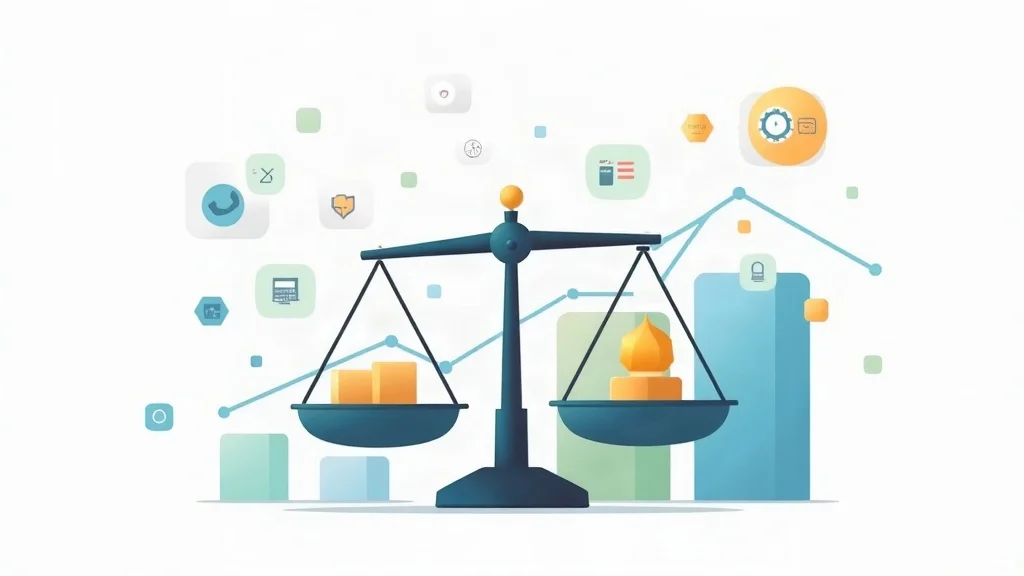
Heard of the “30% rule” in artificial intelligence? This guiding principle suggests that when a new technology automates more than 30% of a task, it changes not just how we work but how we think about our place in the world. While sometimes misunderstood, this “rule” opens critical conversations about adaptation, loss, and opportunity among young people facing a generative AI-driven future. Separating myth from reality, it’s crucial to ask: what does the rule say, what does it miss, and how can we use it wisely for our own growth, rather than as a reason for blanket anxiety?
Understanding what truly matters means using skepticism as a tool for learning, not paralysis. Young people benefit from approaching such “rules of thumb” with informed curiosity—questioning their intent, evidence, and application to daily life. When considered thoughtfully, the 30% rule can instead invite a balanced view: recognizing real changes, while holding space for what remains uniquely human—such as empathy, creativity, and relationships. This approach encourages resilience and adaptable thinking in the face of evolving generative AI models, large language models, and ai systems that are ever-more visible in school, work, and daily decision-making.
Understanding the Principle
The heart of the 30% rule is adaptation. Historically, whenever technology automates a significant fraction of a job, it reshapes what’s left for humans to do—often requiring new skills and fresh ways of thinking. For youth, the rise of large language models and generative AI isn’t just about what gets automated, but about what *should* remain within human touch. This principle calls for attention, not alarmism. Applying it means recognizing where generative AI tools can support learning, amplify creativity, or spark curiosity, and where it’s important to stay critical of how much we delegate to algorithms versus our own judgement. Thoughtful usage—not total reliance—will spell the difference between empowerment and erosion of essential human capabilities.
Youth voices remind us that adaptation is ongoing. Being able to spot when anxiety about AI is founded (like job skills shifting) versus when it is more myth than reality (like “robots taking over everything”) is a skill worth cultivating. The 30% rule can serve as a lens to weigh digital self-care—especially as mental health support is increasingly offered by ai chatbots or automated platforms. The question isn’t whether to use AI, but rather, *how much*, *where*, and *why*—questions that foster responsibility and self-awareness in any era of technological change.
As young people consider how AI might shape their future roles and opportunities, it's also valuable to understand what makes organizations appealing to those with AI skills. Exploring what attracts AI-talented individuals to certain enterprises can offer practical insights into the evolving landscape of work and the qualities that matter most in a tech-driven era.
Interpreting the Implications for Young People With Concerns About AI's Impact
When it comes to the 30% rule, balance is everything. For young people with concerns about AI's impact, this means tuning both caution and curiosity: asking what changes are truly happening—and what stories may be exaggerated. By deliberately applying the rule as a framework for reflection, youth gain a new toolkit for active navigation: instead of succumbing to fear or hype, they assess where change can support growth and where to advocate for healthy boundaries.
In practice, this might mean balancing screen time with offline activities, seeking information from a wide range of credible sources rather than just one ai chatbot or search engine, and checking assumptions against the lived experience of friends, mentors, and trusted adults. Maintaining mental health in this context is not just about self-defense, but also about harnessing opportunities—letting AI enhance, not dominate, one's path through school, work, and relationships. Informed pattern recognition, sharp critical thinking, and open conversations lay the groundwork for agency, instead of allowing “30%” to become a trigger for confusion or disengagement.
Balancing caution with informed curiosity
Applying the '30% rule' lens to mental health and digital self-care
Pattern Recognition: Spotting Recurring Tensions in AI and Youth Wellbeing
Pattern recognition—the ability to detect recurring themes and hidden links—is an essential skill in the age of generative AI, especially for youth navigating uncertainties. Across schools, homes, and community settings, a few tensions keep resurfacing: Do AI systems threaten or enhance social connection? Are language models deepening echo chambers or expanding horizons? And how does the ever-present hum of technology shape our sense of worth, purpose, and possibility? Rather than chasing headlines, young people thrive by learning to see these patterns, name them openly, and explore them together with allies.
As more mental health support tools, school curricula, and even friendships move partly online, recognizing emerging patterns allows for early intervention and empowerment. Mentors, educators, and youth themselves play a pivotal role in translating “what everyone is feeling” into meaningful action—from digital mindfulness routines to group discussions on the pros and cons of large language models in their daily lives. Through collective pattern-spotting, the journey from anxiety to agency becomes a shared one.
Social Connection in the Age of Generative AI
Social connection remains the pillar of wellbeing, but its forms are changing fast. Generative AI is embedded in social media platforms and digital communities, sometimes supporting peer support and creativity, sometimes making genuine human interaction trickier to sustain. For young people, recognizing when a conversation is enriched by ai chatbots versus when it is diminished is an ongoing learning process. Community-driven platforms, thoughtful rules for ai chatbot engagement, and consistent offline connections all help maintain balance between digital innovation and authentic relationships.
Building and protecting social ties in an AI-influenced world means actively investing in real friendships—both online and off. This practice counters the risk of isolation that can come from too much screen time or over-reliance on automated systems. Inviting feedback, sharing experiences, and even co-creating new digital norms helps young people move from passive users to active shapers of their technological environment, deepening resilience and trust.

Critical Thinking: Evaluating Claims About Large Language Models
Critical thinking is not just a buzzword; it is an active and vital discipline in sifting truth from noise about large language models and other AI systems. In a world filled with claims—some hype, some valid—about what generative AI can and can’t do, young people benefit from a healthy skepticism grounded in community conversations, credible sources, and direct experience. Comparing information from different news sites, questioning who built which AI model, and exploring how training data impacts results are all habits that contribute to a more grounded understanding of AI technologies.
The goal is to ask better questions—about what large language models are optimized for, what limits they have (including embedded biases), and how their outputs might shape social norms or perceptions. This critical lens keeps young people from falling into echo chambers or misinformation rabbit holes, ensuring that the rise of generative AI remains a force for clarity, not confusion.
"It’s not about AI replacing us, but about how we redefine the questions AI can’t answer for us." – Technology ethicist
Expert Insights: Elevating Diverse Voices in the Conversation on Artificial Intelligence
Too often, the loudest voices in AI conversations come from technologists or media company commentators. Yet, young people gain more when expert guidance is grounded in lived experience. In recent conversations, I heard diverse community mentors—from mental health professionals to faith leaders and teachers—reflect with hope, caution, and profound care about how young people with concerns about AI's impact can navigate uncertainty.
One mental health advocate stressed the importance of story-sharing and trusted dialogue: “It’s easy to feel lost in the headlines, but sharing our own journeys makes a difference. ” A faith community elder offered this: “Sacred spaces—physical or digital—give youth room to process and ask deeply human questions that AI can’t answer. ” And a forward-thinking educator invited youth to “see every technology as an invitation to reflect on what we value most, and to practice curiosity without fear. ” These grounded reminders can help young people anchor themselves amid the current of rapid change.

Mini-interviews with educators, faith leaders, and mental health professionals
Tips for young people with concerns about AI’s impact from community mentors
List: Practical Steps for How Young People Should Navigate Uncertainties About AI's Impact
Practice digital mindfulness and manage your digital body image
Engage with credible resources on machine learning and ai chatbots
Seek out supportive social media communities
Ask hard questions—about yourself, generative AI, and the future
Build habits of critical thinking and pattern recognition
Table: Comparing Mental Health Strategies for Navigating AI-Driven Change
Choosing a strategy for wellbeing in the context of evolving generative AI requires understanding your options. Below, compare some of the most recommended approaches for youth navigating uncertainty:

Approach |
Key Benefits |
Potential Pitfalls |
Expert Comments |
|---|---|---|---|
Mindfulness Practices |
Reduces anxiety |
May not address systemic challenges |
"Essential first step" – Mental health therapist |
Community Engagement |
Boosts social connection |
Risk of misinformation |
"Seek trusted groups" – Youth advocate |
Critical Thinking Training |
Empowers informed decision-making |
Time-intensive |
"Worth the investment" – Educator |
People Also Ask: How is AI Impacting Youth?
AI and Youth: Benefits and Challenges Explored
AI systems, from generative AI to ai chatbots, have a deep impact on the everyday lives of young people. On one hand, AI can personalize learning, foster creativity, and connect youth with supportive communities through social media and digital platforms. On the other, concerns grow around screen time, privacy, and the subtle shaping of identity by sophisticated language models embedded in ai tools. For many, the challenge lies in managing both opportunity and risk—balancing new skills and freedom with careful attention to mental health and human interaction. As generative AI technologies become more widely used in schools, creative arts, and friendships, youth and mentors must stay aware, ask questions, and build support systems that center wellbeing above all.

People Also Ask: What is the 30% Rule in AI?
Demystifying 'Rules' of Thumb for Navigating AI's Impact
The “30% rule” in artificial intelligence is commonly cited as a benchmark: when an AI system automates more than about 30% of a process, both workflow and perception of work often shift significantly. For youth, it’s a reminder to stay tuned to real changes rather than worry over abstract percentages. The rule is a conversation starter—it prompts questions about which parts of life are best left to automation, where human insight remains essential, and how to keep learning even as the digital landscape shifts. By treating such rules as guides rather than laws, young people gain confidence to shape their own approach.
People Also Ask: What Are 5 Positive Impacts of AI?
Opportunities for Growth and Empowerment
Artificial intelligence, including generative AI and language models, brings a variety of positive possibilities for young people:
Personalized learning through tailored ai tools and educational platforms.
Enhanced communication via ai chatbots making information access easier and more inclusive.
Creative empowerment, with generative AI supporting art, music, and design exploration.
Improved mental health support, as AI models help connect youth to resources or peer groups.
Expanded global perspective by bridging language barriers and fostering intercultural dialogue through large language models.
These opportunities thrive when paired with critical thinking, diverse social connection, and a strong sense of digital self-awareness.
People Also Ask: What Are the Major Concerns Surrounding Artificial Intelligence (AI)?
Addressing Core Public Fears and Tension Points
Despite its benefits, artificial intelligence does introduce some significant concerns. Young people and their mentors often worry about data privacy, the influence of algorithms on body image or social identity, job displacement, and the deepening of social divides. Misinformation—spread rapidly by unchecked ai chatbots or language models—can skew public conversations. Over-reliance on automated systems risks reducing genuine human interaction and weakening critical thinking. By naming these concerns and inviting open dialogue, youth and their communities can build a more just and thoughtful AI future.
A dynamic compilation: teens from all backgrounds share real stories of learning, anxiety, belonging, and hope in the face of AI-driven change. Peer voices help shape a path forward grounded in confidence and care.
Short, practical strategies for identifying authentic information and evaluating the claims of generative AI—from asking better questions to checking trusted sources and discussing with peers.
FAQs on How Should Young People With Concerns About AI's Impact Navigate Their Uncertainties
How can youth avoid misinformation from ai chatbots and social media?
Young people should cross-check claims from ai chatbots and social media against trusted news sites, educational resources, and community elders. Practicing regular critical thinking, recognizing when to seek help, and staying connected to credible sources guard against falling for inaccurate information or manipulation.What role do faith communities play in helping young people with concerns about AI’s impact?
Faith communities, both online and offline, offer youth spaces to reflect, ask searching questions, and find support for their mental health. By facilitating honest dialogue that values both technology and tradition, these groups can help reframe uncertainty as a catalyst for stronger identity and resilience.Are there safe spaces online specifically for youth to discuss artificial intelligence and mental health?
Yes, several youth-centered forums, moderated social media groups, and educational community platforms provide safe spaces to discuss AI, body image, and wellbeing topics. Seek verified, age-appropriate communities, and consider involvement with trustworthy advocacy organizations or peer-support initiatives for deeper connection and guidance.
Key Takeaways: Empowering Young People to Move Forward With Confidence
Uncertainty about AI is normal and can be reframed as resilience
Pattern recognition and critical thinking are essential tools
Safe social spaces and expert guidance can anchor wellbeing
The future is shaped by questions, not just answers
Ready to Start Navigating?
"Schedule a 15 minute let me know further virtual meeting at https://askchrisdaley.com for individualized inquiry and support."
Remember: Uncertainty is not a flaw—it’s a sign you care. Embrace curiosity, ask bold questions, and move forward with trusted people by your side.
If you’re eager to deepen your understanding of how AI is shaping not just individual lives but entire organizations, consider exploring broader perspectives on the future of work and talent. Discovering what makes enterprises attractive to AI-skilled professionals can illuminate the qualities and cultures that foster innovation and resilience. By connecting your personal journey with the evolving needs of the workplace, you’ll be better equipped to anticipate trends, adapt your skills, and find your place in a rapidly changing world. Let your curiosity guide you toward new insights and opportunities that extend beyond today’s uncertainties.
Sources
Navigating the uncertainties surrounding AI’s impact can be challenging for young people. To gain a deeper understanding and practical strategies, consider exploring the following resources:
“How Teens Use and View AI” by the Pew Research Center provides insights into teenagers’ perceptions and interactions with AI, highlighting both positive and negative viewpoints. (pewresearch.org)
“Guiding Teens Through AI-Driven Uncertainty” from Psychology Today offers advice for parents and educators on supporting adolescents as they face the evolving landscape of artificial intelligence. (psychologytoday.com)
These resources offer valuable perspectives and guidance to help young individuals navigate their concerns about AI’s impact effectively.




Write A Comment