

If you’ve ever paused at a crowded crosswalk or driven down a city avenue lined with glowing ads, you know the feeling: It’s not just about being big and bright anymore—standing out now means breaking through a sea of digital billboards animated by powerful AI-driven campaigns. While artificial intelligence supercharges targeting, measurement, and creativity, it also means fierce competition for eye contact and genuine attention. But this isn’t a story of being left behind; it’s about discovering new ways to make your digital billboard not just seen, but truly noticed—in a way that honors people, place, and purpose.
The Challenge: How Getting Your Digital Billboard Visible in the Age of AI Has Shifted
Getting your digital billboard visible in the age of AI means playing by radically different rules than even five years ago. Outdoor advertising, OOH campaigns, and digital signage are now fueled by real-time data sources, but they are also competing with a level of content and targeting overload like never before. The rise of AI-powered OOH ad technologies has made it easier for brands to automate campaigns and target audiences more precisely. However, it’s also made the “noise” on city streets almost deafening. Mobile billboards, sporting event ads, and street furniture now leverage AI to optimize delivery and capture fleeting attention. The core challenge: The same technology that helps your digital billboard be more targeted can also make it easier for your message to get lost. Billboard advertising effectiveness is no longer based solely on visibility—it’s about situational relevance, cultural resonance, and authentic audience engagement in real time.
Observation: The Overload of Digital Billboards and Digital Signage
Look around any busy urban intersection, and you’ll likely see a battleground of digital billboards, digital signage, and mobile billboards all vying for slices of consumer attention. With so many ooh ads programmed to refresh every few seconds, and LED billboards showing shifting imagery, sensory overload is real. Digital displays alternate between ads for small businesses, sporting event promotions, and national brands, relying on advanced audience measurement to justify campaign objectives. But here’s the rub: as digital OOH solutions multiply, they risk becoming invisible—just more background wallpaper to passersby. The very innovation that makes outdoor advertising so dynamic can also diminish its impact unless creative strategies prioritize clarity, purpose, and the local context.
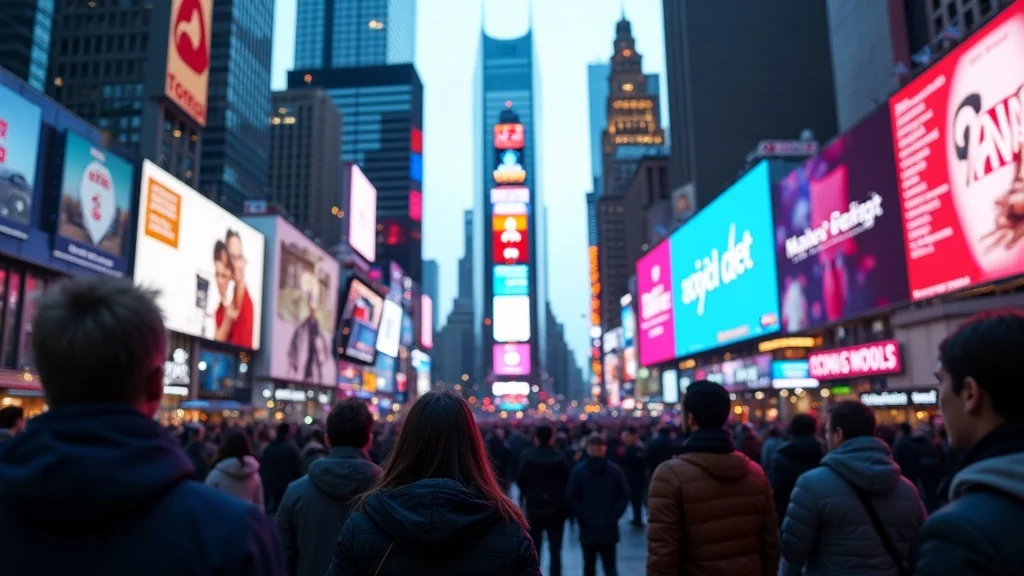
Scenario: Competing for Eyes in a World Full of AI-Powered OOH Ad Campaigns
Picture a major city at rush hour: Audiences are flooded with a barrage of billboards, digital OOH ads, and programmatic out-of-home advertising, each leveraging AI-driven algorithms to serve tailored content. OOH campaigns now attempt to optimize not just for billboard location or demographics, but for real-time mood, weather, and traffic data. The race is not simply about showing up; it’s about showing up smarter—when, where, and how the target audience is most likely to notice, reflect, and act. But this need for “smarter” campaigns also increases the risk of creative fatigue and overexposure. Even with the best audience measurement and ooh solutions, campaign objectives fall short if digital billboard ads don’t stop passersby in their tracks—literally and figuratively.
As you refine your digital billboard strategy to break through the AI-powered clutter, it's worth considering how seasonal campaigns can be leveraged for sustained engagement. For actionable tactics on converting fleeting attention into long-term customer relationships, explore proven methods for turning seasonal shoppers into year-round clients—a valuable approach that complements your OOH efforts.
What You'll Learn About Getting Your Digital Billboard Visible in the Age of AI
Why AI has transformed OOH advertising and digital billboard strategies
How to use data and audience measurement to break through digital display clutter
Real-world examples of digital billboard campaigns adapting to new technology
Ways to humanize your digital billboard in the AI age
Understanding the Digital Billboard Landscape: Past and Present
The journey of getting your digital billboard visible in the age of AI starts by understanding where OOH advertising has come from—and how AI is changing core dynamics. The story is one of continual reinvention: traditional billboards gave way to high-tech, data-driven digital displays. Today’s landscape is a blend of old and new: paper-based billboard ads share city vistas with mobile billboards streaming live content and touchscreen digital signage. As a result, the most successful OOH campaigns don’t just adopt new tech; they find ways to connect it back to community, place, and relevance. Brand awareness, audience engagement, and campaign objectives must all be reframed in light of AI-enabled personalization and dynamic content delivery.
How Digital Billboards and Mobile Billboards Have Evolved
The evolutionary arc from static signs to dynamic, data-enriched digital billboards is dramatic. Decades ago, billboard advertising relied on bold visuals, simple slogans, and strategic location. Campaign success was a matter of billboard location and luck. But now, mobile billboard fleets and digital displays enable brands to change messaging instantly, test creative variants in real time, and reach hyper-targeted audiences through data sources such as social media, traffic patterns, and even weather updates. This transformation isn’t just technological—it’s cultural. Digital signage and digital billboards have drifted from static, one-way messages to interactive, adaptive campaigns that demand smarter creative thinking—and a keener sense of cultural and community fit for ooh ads. The constraints of the old model are gone, replaced by nearly boundless opportunity—and almost too much choice.
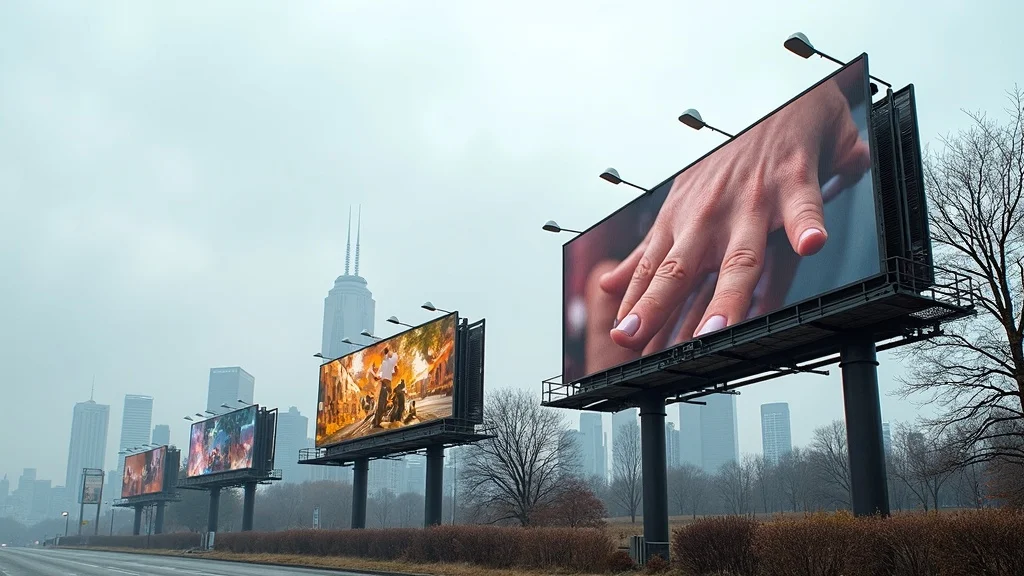
Emerging Trends in Digital Displays and OOH Advertising
Current trends in digital billboard and ooh advertising reflect a shift from one-size-fits-all messaging to adaptive, AI-enhanced strategies. Programmatic OOH ad buys, geofencing, and contextual creative swaps are making it possible to reach target audiences based on real-world context—right down to the way the sun hits the screen at a certain hour. Meanwhile, digital signage is merging with augmented reality and mobile billboards to blend the digital and physical worlds, creating opportunities for two-way engagement and even gamified experiences. However, this abundance of options means a creative idea can still be lost if not grounded in audience insight and compelling storytelling. As new ooh solutions emerge, the leaders are those who blend data with empathy—anchoring campaigns in not just attention metrics, but human moments that matter.
"Digital billboards are weathering an attention crisis—and nimble brands are pivoting, not panicking."
— Interview with OOH campaign strategist
The Impact of AI on Getting Your Digital Billboard Visible
The arrival of artificial intelligence in billboard advertising marks the most rapid transformation in the sector’s history. AI systems analyze everything from traffic data to social signals in order to decide which billboard ad runs where—and when. For advertisers focused on getting your digital billboard visible in the age of AI, this means adopting new priorities: responsive campaigns, real-time testing, and a willingness to mix human intuition with algorithmic power. The biggest shift is in how audience measurement now works across digital ooh and mobile billboards: it’s less about counting impressions, and more about interpreting signals, sentiment, and intent. The next generation of OOH campaigns is defined by smarter audience engagement and the relentless quest for relevance in an age of AI-powered abundance.
How AI Changes Audience Measurement in Digital Billboard Campaigns
Traditionally, success for a digital billboard or mobile billboard campaign meant tallying up footfall, traffic estimates, or static impressions. With the advent of AI in ooh advertising, however, audience measurement has become multidimensional and predictive. AI can now synthesize data from sources like mobile signals, social media activity, and weather data to create dynamic heatmaps of audience engagement. This allows ooh campaigns to optimize delivery not just for exposure, but for context—reaching precise clusters when they’re most receptive. AI’s granular measurement even helps determine billboard advertising effectiveness in real time, allowing for adjustments on the fly. Yet, the risk is in mistaking data for insight: numbers reflect presence, but not always impact. Successful ooh solutions fuse AI-driven analytics with local knowledge and behavioral research, ensuring the billboard ad lands in the right moment with meaning, not just metrics.
Personalization, Programmatic OOH Ad Tech, and the New Rules
AI’s greatest gift for digital billboard advertising may be its ability to personalize at unprecedented scale. Programmatic ooh ad tech now lets marketers schedule, swap, and modify billboard campaigns on the fly—optimizing based on time of day, weather, crowd demographics, or even sporting events happening nearby. Ads based on machine learning are more targeted; they can even respond to passerby characteristics with adaptive content. But with new tech comes new rules: audiences demand privacy, messaging fatigue is real, and the balance between automation and authenticity is delicate. OOH campaign success requires not just shifting creative but translating data sources into messages that matter—rooted in place, purpose, and real community cues. The future of digital displays will be won by brands and organizations that treat technology as an enabler, not a substitute, for the human story at the heart of effective billboard advertising.
Key Strategies for Getting Your Digital Billboard Visible in the Age of AI

Optimizing Your Billboard Ad for Human Attention (and Not Just Algorithms)
In an AI-powered world, it’s tempting to let algorithms do all the heavy lifting—but the most successful billboard campaigns still prioritize genuine human attention. To escape the trap of automation, advertisers are designing ooh ads for real-world moments: quick glances, commuter routines, spontaneous detours. Simplicity, bold visuals, and messages tailored for drive-bys (or walk-bys) remain essential, even as AI helps refine delivery. AI can drive when and where an ad appears, but it falls to creative teams to craft stories that spark curiosity, recognition, or even debate. The best ooh solutions combine the algorithm’s precision with a deliberate human touch—regularly updating creative to prevent fatigue, localizing content for community relevance, and integrating feedback from on-the-ground observation and community leaders. In the age of AI, being visible means being memorable for reasons that no algorithm can fully predict.
Creative Approaches Leveraging Digital Signage and OOH Solutions
The next generation of digital billboard success stories belong to brands and organizations that innovate with both technology and narrative. Digital signage is increasingly interactive: think touchscreens for local events, real-time voting for community causes, or live social media tie-ins. OOH solutions are evolving beyond single screens, embracing immersive experiences—like augmented reality overlays, gamified scavenger hunts across billboard locations, or coordinated cross-channel blitzes with mobile billboards and street furniture. What sets these campaigns apart isn’t just novelty, but intentionality. Community-rooted storytelling, faith-based themes, and hyper-local partnerships provide an enduring edge against the static churn of digital billboards everywhere. The goal is always the same: move from visual intrusion to meaningful invitation, turning a passing glance into lasting brand awareness and action.
Comparing Traditional vs AI-Enhanced Digital Billboard Tactics |
|
Traditional Approach |
AI-Enhanced Approach |
|---|---|
Fixed creative, static schedules, broad location targeting |
Dynamic creative swaps, real-time scheduling, AI-driven granular audience targeting |
Manual measurement (traffic counts, estimated impressions) |
Automated, multi-source measurement (mobile signals, weather, social data, programmatic adjustment) |
One-way messaging, rare updates, limited feedback loops |
Interactive, adaptive content, iterative creative testing, real-time feedback and community cues |
Expert Insights: Interviews and Case Examples
"The AI age rewards agile storytelling—OOH campaigns that connect with culture break out."
— From a leading digital signage innovator
I’ve spoken with leaders in digital out-of-home (OOH) advertising, community campaigners, and OOH solution innovators about how they’ve adapted to the AI era. The best campaigns, they agree, anchor new technology in longstanding values: service, relevance, and trust. Below are a few that illustrate how digital billboards thrive through adaptability and community focus.
Mini-Profiles: Community-Focused Digital Billboard Initiatives
Across the country, some of the most effective digital billboard efforts are those that join forces with local civic groups, faith communities, and neighborhood organizations. Take, for example, a small city where a coalition between local artists and business owners programmed digital displays to showcase public service announcements, community events, and art installations alongside commercial ad content. Another remarkable case saw a group of youth mentors leverage mobile billboards to spotlight graduation rates and college access tips, with messaging refreshed via real-time feedback from students and families. These community-grounded digital OOH ads outperform generic billboard advertising because they build trust, reflect local voices, and create a two-way channel for engagement that even the most advanced AI can’t replicate unaided.
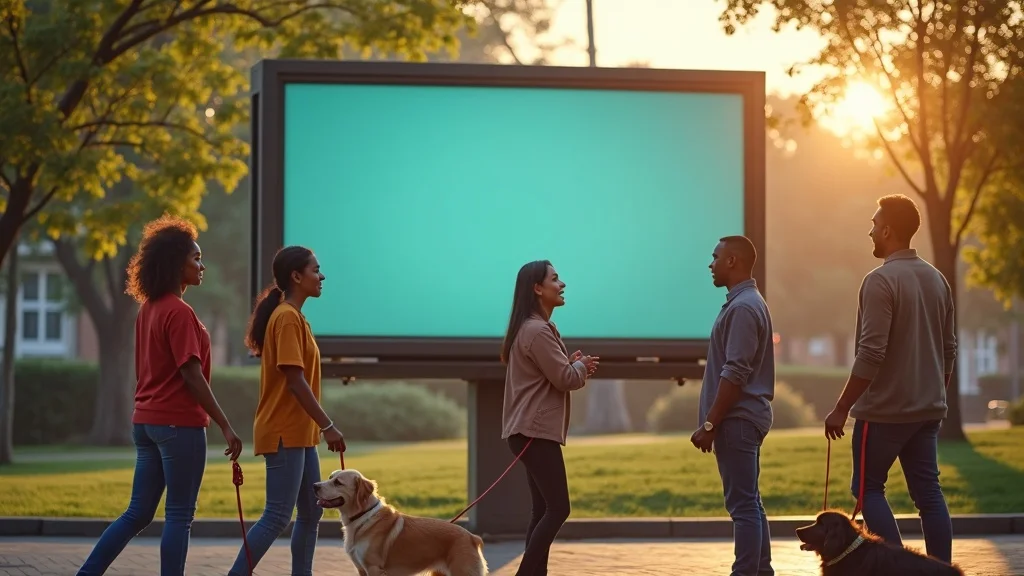
Spotlight: Faith-Based and Local OOH Campaigns Doing Things Differently
Grounded OOH campaigns that center on faith or local heritage often outshine flashier national efforts. For instance, one coalition of faith-based organizations deployed synchronized messaging across digital signage, classic billboards, and mobile billboards, tying campaign objectives to direct calls for community service, shared values, or moments of collective action. This approach proved especially effective during holiday seasons and times of crisis. By integrating audience measurement, live community events, and cross-platform storytelling, these campaigns created energy and hope—not just awareness. Such efforts reveal a critical insight: AI can guide the “how” of campaign delivery, but lasting visibility and impact always rely on the “who” and the “why” from people and communities themselves.
Common Pitfalls: Why Digital Billboards Go Unseen in the Age of AI
Overreliance on automation with no local context
Ignoring granular audience measurement
Underestimating creative fatigue on digital billboards
Failure to sync digital displays with mobile billboards and community cues
Many digital billboard campaigns underperform because they treat automation as a substitute for strategy. No amount of programmatic targeting can rescue a billboard ad that isn’t locally attuned or creatively refreshed. Ignoring granular audience measurement leads to wasted impressions; underestimating creative fatigue means even the brightest screen will soon fade into the background. And in today’s complex outdoor advertising ecosystem, failing to coordinate ooh solutions—from mobile billboards to community-linked displays—leaves opportunity (and relevance) on the table.
Actionable Steps: Boosting Your Digital Billboard Visibility with AI and Human Signals
Checklist: Aligning Messaging with Community Impact and Wellbeing

Partner with community leaders to validate messaging and ensure cultural fit
Set up regular creative rotations to address billboard fatigue
Deploy AI-powered audience measurement—but balance with in-person observations
Integrate offline feedback (e.g., community event reactions, social media comments)
Sync digital signage, mobile billboard, and digital billboards for a unified campaign story
Test campaign objectives for clarity: does every ooh ad prompt clear, actionable engagement?
Tools and Partnerships for Smarter OOH Advertising
Leveraging both technology and community wisdom is key to getting your digital billboard visible in the age of AI. Consider partnering with digital signage providers, local content creators, and faith or civic organizations for insights on timing, messaging, and engagement. Invest in AI-based analytics platforms that respect privacy and offer actionable data without overwhelming your team. Explore new formats: touch-activated digital displays, augmented reality billboards, and even collaborative billboard ad swaps with trusted partners. Most importantly, choose ooh solution vendors who welcome your input and help interpret both hard numbers and community sentiment. A hybrid approach—tech plus human intuition—delivers sustained impact for every campaign.
People Also Ask: Getting Your Digital Billboard Visible in the Age of AI
Is owning a digital billboard profitable?
Answer: An exploration of the evolving revenue streams and operational models in modern digital billboard and OOH advertising.
Owning a digital billboard can be profitable—but the equation is evolving. Modern OOH ads benefit from programmatic booking, new data sources, and creative scheduling flexibility that open doors to previously untapped advertisers including small businesses and local organizations. However, profitability now depends on staying at the technological edge, rotating inventory frequently to avoid saturation, and cultivating relationships with both traditional and emerging clients. Successful billboard owners often supplement ad-based revenues with sponsored community announcements or event-based takeovers, diversifying operational models for resilience in an AI-dominant landscape.
Will digital marketing be replaced by AI?
Answer: A balanced perspective on AI's growing role in digital marketing and its likely effects on human creativity and campaign leadership.
AI is reshaping digital marketing—but not replacing it. While AI drives audience targeting, creative optimization, and analytic insights for digital ooh and billboard advertising, human leadership remains essential for creative ingenuity and campaign vision. AI can automate content delivery and suggest new approaches, but human marketers are needed for storytelling, cultural nuance, and ethical decision-making. The future is collaborative: AI as a powerful tool, humans as the voice and conscience behind the message.
What is the 3 second rule for billboards?
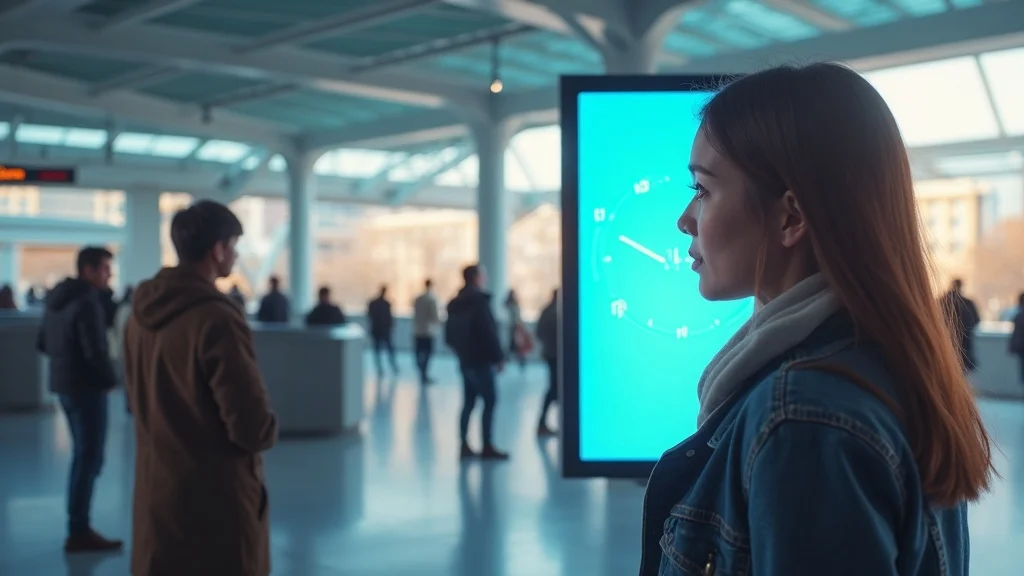
Answer: Understanding attention spans in the context of digital displays and tips for creative messaging within this critical window.
The “3 second rule” for billboards means your main message (visual or text) should be instantly understood by anyone viewing the display for only three seconds—a reflection of real-world attention spans in busy environments. For digital billboards and ooh ads, this means prioritizing bold, uncluttered visuals, limiting text, and using high-contrast designs that catch the eye. In an era of AI-driven competition, adhering to the 3 second rule ensures that your billboard ad breaks through both sensory overload and algorithmic clutter to deliver immediate impact.
What 4 states have banned billboards?
Answer: A brief overview of legislative trends affecting both digital billboards and traditional out-of-home ad spaces.
Four U. S. states—Hawaii, Vermont, Maine, and Alaska—have banned most outdoor billboard advertising, including digital billboards. These bans reflect longstanding policy commitments to preserve scenic beauty and limit urban clutter. Such legislative trends are a reminder: digital signage and ooh campaigns must always operate within the legal, cultural, and environmental constraints of each locality. Staying adaptive and attuned to regional differences is essential for visibility and compliance.
FAQs: Nuanced Questions on Getting Your Digital Billboard Visible
How does programmatic OOH advertising differ from classic scheduling?
Programmatic OOH advertising allows for automated buying and placement of billboard ads using AI and real-time data, enabling on-the-fly optimization for creative, timing, and audience. In contrast, classic scheduling requires manual selection of display times and is less responsive to changing audience dynamics or contextual triggers.
Are there ethical considerations for using AI in OOH campaigns?
Yes, ethical considerations include privacy, transparency in data use, and ensuring campaigns do not reinforce bias or exclude community voices. Responsible OOH advertisers and digital signage providers must be vigilant about balancing data-driven tactics with ethical guidelines respecting people’s rights and cultural sensitivities.
What are best practices for integrating mobile billboards and digital signage?
Cohesive planning is crucial: synchronize messaging across channels, adapt creative for each format (digital displays, mobile billboards, street furniture), and gather feedback from on-site observations and local partners. Mobile billboard campaigns work best when reinforcing, not duplicating, digital billboard content—creating layered, regionally informed OOH solutions.
A concise compilation of digital billboard campaigns showing creative AI-powered personalization blended with real community engagement—from bustling urban centers to local events—demonstrating effective strategies for getting through digital display clutter.
Hear industry leaders discuss the future challenges and possibilities of OOH advertising as AI continues to reshape audience engagement and campaign measurement.
Key Takeaways for Getting Your Digital Billboard Visible in the Age of AI
AI brings new possibilities and new challenges to OOH and digital billboard effectiveness
Strong community context and expert insight matter now more than ever
Balanced strategy: Use audience data—without losing the human story
Looking Ahead: Building Visibility (and Trust) for Digital Billboards in an AI-Driven Era
The future of getting your digital billboard visible in the age of ai lies in weaving together technology, trust, and community impact—strategies that honor both data and the human story behind each message.
If you’re inspired to elevate your digital billboard campaigns beyond visibility and into lasting customer relationships, consider how holistic marketing strategies can transform seasonal spikes into year-round growth. By integrating the lessons of AI-driven OOH with broader customer retention tactics, you can create campaigns that not only capture attention but also foster loyalty and repeat engagement. For a deeper dive into building sustainable growth from your advertising efforts, discover the insights in The Holiday Growth Playbook. This resource offers advanced strategies to help you turn every campaign—holiday or otherwise—into a foundation for ongoing business success.
Next Steps: Schedule a 15 Minute Virtual Meeting to Explore Digital Billboard Solutions
Ready to make your mark in the age of AI? Schedule a 15 minute virtual meeting to explore practical digital billboard solutions tailored to your goals at https://askchrisdaley.com.




Write A Comment