

What if safeguarding our humanity is the most urgent, yet overlooked priority as we advance deeper into the age of artificial intelligence? In a world where technology evolves by the minute, are we at risk of losing touch with what makes us most profoundly human? Let’s unlock why nurturing our humanity in the age of AI matters.
A Question for Our Times: What Does Nurturing Our Humanity in the Age of AI Really Mean?
The critical question arises: What does nurturing our humanity in the age of AI truly entail? This phrase circles through boardrooms, schools, and communities, surfacing in headlines—yet answers rarely scratch the surface. Is it about holding onto our unique qualities as AI technologies refine human-like tasks, or about forging new paths for the human spirit amidst constant innovation? As AI agents become more deeply woven into everyday life, many fear that the acceleration of change could dull our empathy and diminish our circles of relationships. Still, others see hope—arguing that the fusion of artificial intelligence and human intelligence could enhance human experience, creativity, and understanding if handled with discernment.
It’s more than a philosophical debate. It’s a call for intentionality that runs through education systems and every facet of human behavior. To nurture our humanity in this age of artificial intelligence means moving beyond simple coexistence. It calls us to integrate AI thoughtfully, holding fast to the faculties—like ethical judgment, meaning-making, and emotional intelligence—that nurtured human potential long before data-driven machines. If we aim for a future where AI enhances and uplifts, not overshadows, the human spirit, it begins with conscious attention to what makes us irreducibly human.

What You'll Learn About Nurturing Our Humanity in the Age of AI
Why the age of AI challenges and redefines human intelligence and the human spirit
Ways nurturing our humanity becomes essential amid rapid artificial intelligence advances
Insightful perspectives from thinkers, leaders, and innovators in the AI era
Actionable reflections for personal and communal human development
Human Intelligence and the Age of AI: A Complex Relationship
Historical Context: How Human Intelligence Has Evolved Through the Ages
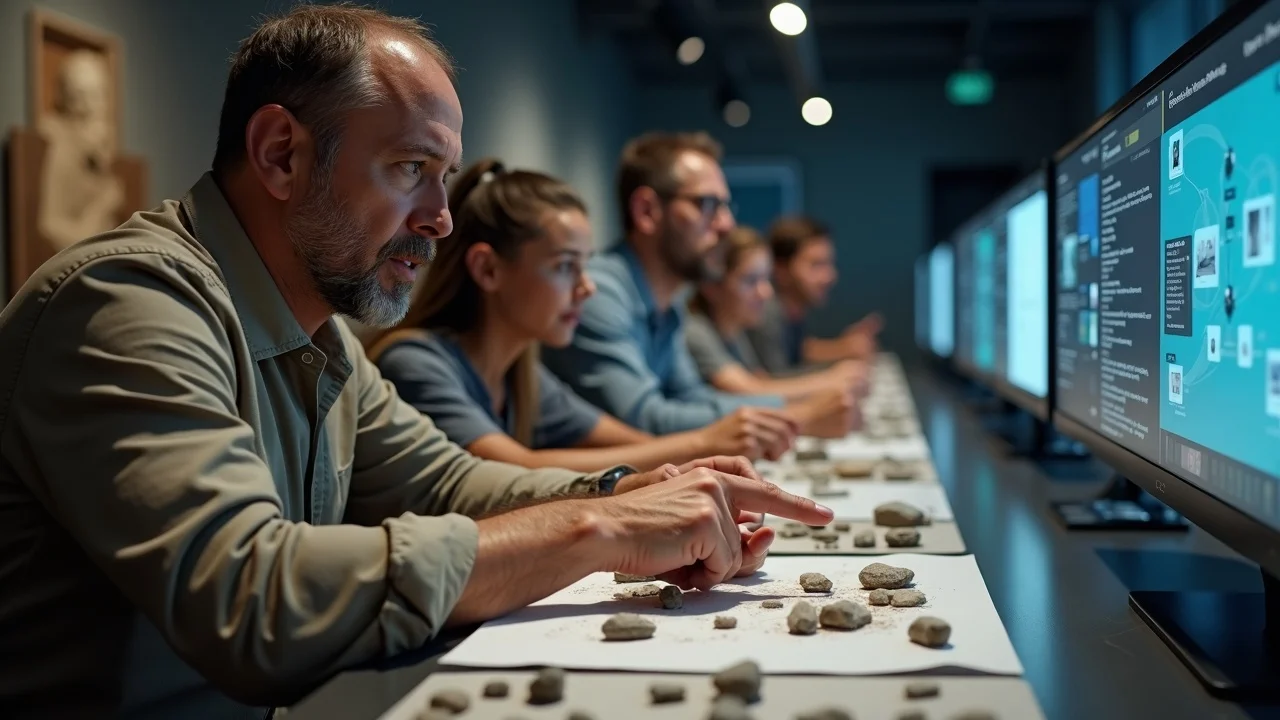
Looking back, human intelligence has continuously adapted to new eras and tools—shifting from stone implements to print, then to computers, and now to the ever-expanding realm of artificial intelligence. This journey demonstrates a remarkable flexibility and ingenuity. Early human societies drew on communal learning, language, and emotional intelligence, helping protect and nurture their circles of relationships against outside threats and uncertainty. As society matured, the education system and evolving learning experiences became the bedrock of cultivating ethical judgment and creative synthesis, reinforcing what was uniquely human in every generation.
In this grand historical arc, each leap in technology sparked questions about whether human life would be diminished or enriched. Even now, integrating AI prompts renewed reflection on what it means to foster the human spirit amid accelerating change. How do we ensure that tools designed to automate and optimize don’t eclipse our emotional and cognitive depth? History suggests that by consciously nurturing our capacity for empathy, meaning-making, and community, we can adapt—even flourish—in the age of artificial intelligence.
The Age of AI: New Opportunities and Recurring Tensions
We now enter an era where artificial intelligence doesn’t just emulate certain aspects of human intelligence—it sometimes outpaces us in specific domains, from pattern analysis to optimization. But here, new opportunities and recurring tensions arise. On the one hand, AI agents promise to free humans from repetitive tasks, unlocking new realms for creativity, critical thinking, and connection. On the other, disruptive advances can trigger widespread anxiety around the loss of meaning in work, the dilution of authentic human relationships, and the risk of overlooking our deepest values.
The age of AI repeatedly calls forth the need to redefine what makes us human. The question arises: will we use these technologies to enhance human life or inadvertently corrode the qualities we most cherish? If we nurture our human spirit and intelligence instead of focusing solely on artificial capability, we can shape an AI era that serves the flourishing of individuals and communities alike.
As we consider how AI can both challenge and complement our core human strengths, it's valuable to explore practical strategies for adapting to rapid technological change. For example, businesses and organizations can learn from approaches that turn seasonal opportunities into lasting relationships, as discussed in The Holiday Growth Playbook: Turning Seasonal Shoppers Into Year-Round Clients. This perspective highlights how intentional engagement and adaptability can help communities and individuals thrive in evolving environments.
Redefining the Human Spirit in the AI Era
Artificial Intelligence and the Future of Empathy
AI has dramatically transformed how we interact and connect. Voice assistants, recommendation engines, and smart devices learn from our preferences, but do these tools truly “understand” us? Here, a profound divergence appears: artificial intelligence excels at processing data and identifying patterns, but empathy—the ability to resonate with another’s emotional world—remains a uniquely human domain. The future of empathy in an AI era depends on our ability to cultivate genuine presence, adaptability, and warmth in the midst of rapidly improving algorithms.
Rather than seeing AI as a threat to human experience, innovators urge us to explore how artificial intelligence can complement and even deepen our emotional lives. Clinical trials and classroom pilots now test AI-powered programs that support emotional intelligence development and circles of relationships, but the heart of empathy still beats strongest in human connection. Protecting and nurturing these qualities, even as automation advances, may be the defining ethical question of our era.

Stories of the Human Spirit Rising in the Age of AI
Stories abound of individuals and communities rising to enrich the human experience in the midst of digital transformation. In local community schools, educators redesign learning experiences around collaborative projects where students apply both technical skills and emotional intelligence. In workplaces, teams integrate AI tools not to replace—but to augment—human potential, freeing up time for creative synthesis and critical judgment.
These stories reveal how the human spirit is not just protected, but often catalyzed by the challenges of technological change. The most successful examples flow from a commitment to critical thinking, open dialogue, and a willingness to look past novelty for meaning. It is these acts—large and small—that nurture our humanity and keep the age of artificial intelligence oriented toward genuine flourishing.
Pattern Recognition: Why Do Tensions About Nurturing Our Humanity in the Age of AI Keep Surfacing?
Pattern 1: Disconnection from community
Pattern 2: The acceleration of change versus human adaptability
Pattern 3: Fear versus hope in technology narratives
When examining recurring tensions around nurturing our humanity in the age of AI, certain patterns persist. Disconnection often surfaces as technology outpaces our social structures, leaving many feeling adrift from their communities. Rapid innovation accelerates beyond what most humans can naturally adapt to, prompting questions about how to protect and nurture psychological wellbeing and community ties. Moreover, a constant tug-of-war between fear and hope shapes public discourse—every new breakthrough in AI spurs both excitement for human potential and anxiety about eroding what is uniquely human.
Recognizing these patterns is not about taking sides, but about restoring balance. By naming and addressing these recurring themes, communities can design learning experiences and ethical guidelines that help us navigate the age of AI with intention, not just reaction. Through conscious pattern recognition, we invite dialogue and foster environments where both human intelligence and artificial capability reinforce—not undercut—each other.
Community Voices: Profiles and Mini-Interviews
“The challenge isn’t artificial intelligence itself—it’s remembering what matters most in all our choices.” – Educator and Innovator Profile
“In the AI era, nurturing our humanity means being radically present with one another, on and offline.” – Community Leader Spotlight
In interviews across education systems and entrepreneurial circles, a common refrain rings out: true human flourishing comes from centering values, not just technologies. Faculty affiliates in schools, faith leaders, and neighborhood organizers alike share stories of weaving ethical judgment and empathy into every human interaction—on screens and off. Their wisdom underscores that the question isn’t if AI will play a role in our lives, but how we’ll steward our human intelligence so that communities remain grounded, resilient, and meaning-driven in the age of artificial intelligence.
Tables: Human Skills Versus Artificial Intelligence Strengths
Comparing Human Intelligence and Artificial Intelligence: Skills and Limitations
AI Capability |
Human Strength |
|---|---|
Pattern Analysis |
Empathy and Emotional Insight |
Speed and Scale of Data |
Ethics and Moral Reasoning |
Optimization and Repetition |
Creative Synthesis |
Surface Context from Data |
Deep Contextual Understanding |
Automated Problem Solving |
Meaning-Making in Complexity |

This table illustrates the complementary—rather than competitive—nature of human intelligence and artificial intelligence. While AI agents excel at pattern recognition, vast data analysis, and relentless repetition, humans bring irreplaceable gifts of empathy, deep context, moral reflection, and the capacity to find meaning in complexity. The future where AI enhances (not replaces) human potential rests on recognizing and investing in these distinct but mutually reinforcing strengths.
Nurturing Our Humanity in the Age of AI: What We’re Learning from Child Development and Education
Lessons on Human Development in an AI Era
Child development research leads the way in revealing how to protect and nurture human intelligence as we adapt to new technologies. Psychologists and educators suggest that learning experiences grounded in curiosity, emotional intelligence, and collaborative problem-solving equip young minds for an unpredictable—and AI-rich—future. Hands-on, story-based, and community-oriented approaches in the education system foster skills like ethical judgment and empathy, even as students encounter digital tools from their earliest years.
By integrating AI into classrooms not just as a technical tool, but as a means to facilitate conversation, debate, and critical thinking, schools can strengthen both the intellectual and spiritual facets of development. Whether using AI to stimulate curiosity or to augment personalized instruction, the central goal remains: cultivating a human spirit resilient enough to thrive in a world of continual change.
Cultivating the Human Spirit in Young Minds
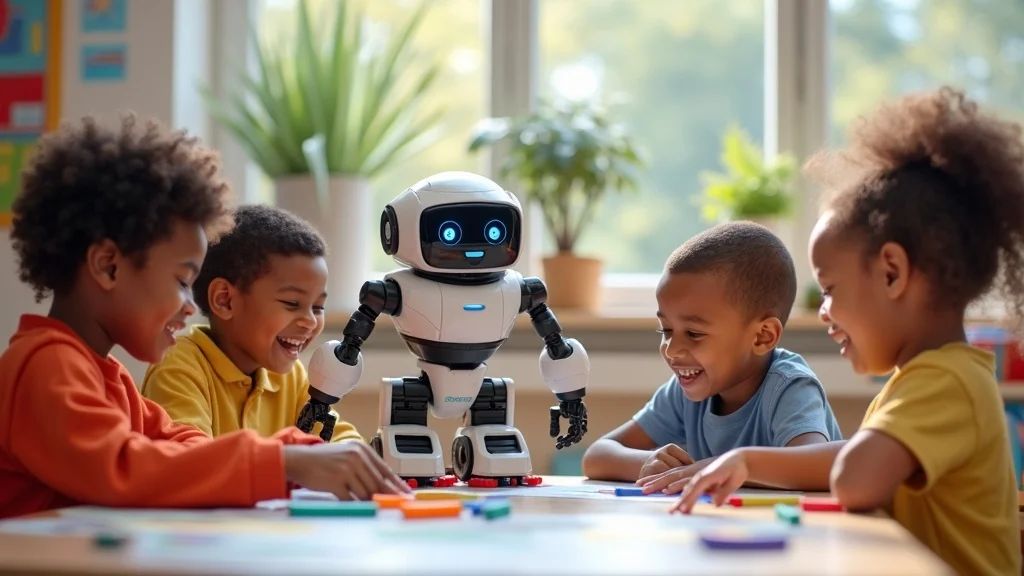
Early and consistent nurturing of the human spirit ensures the age of artificial intelligence becomes a landscape of possibilities, not pitfalls. In community schools and afterschool programs, children who learn alongside robots or AI-powered games often demonstrate increased motivation and collaboration. Mentorship and play remain vital, reminding us that relational attunement cannot be automated.
Educational leaders emphasize the importance of circles of relationships, intentional dialogue, and reflection as central pillars of human growth. As technology permeates every layer of childhood, resilience and self-awareness become as crucial as coding skills. The ongoing research in child development underscores a fundamental point: nourishing humanity begins with investing in our youngest thinkers, ensuring they grow to navigate, question, and shape the technology that surrounds them.
List: Practical Steps for Nurturing Our Humanity in the Age of AI
Practice digital discernment and mindful technology use: Stay aware of when tech enhances or diminishes your experience.
Cultivate empathy and human connection—especially in tech-driven settings: Make space for listening and genuine presence, on-screen and off.
Engage in lifelong learning about human intelligence and ethics: Challenge yourself to keep learning not just about AI, but about what makes us human.
Champion creativity and open dialogue about the age of AI: Join (or start) conversations about how AI is reshaping everyday life.
Support community initiatives that bridge artificial intelligence and the human spirit: Volunteer, mentor, or invest in projects centered on human flourishing in a digital era.

Expert Perspectives: Leading Voices on Humanity, Artificial Intelligence, and the Future
“Humans must shift from being information processors to meaning-makers in the age of AI.” – AI Researcher
“The real opportunity is to harness artificial intelligence in service of human flourishing, not in displacement of it.” – Community Psychologist
Across interviews, panels, and think tanks, one idea emerges with clarity: nurturing our humanity in the age of AI is not a passive task, but an intentional practice. Leading voices highlight the risk of letting data-driven decisions crowd out context and wisdom. They invite us to become more than users of technology—to become architects of meaning in a world that will only speed up. Whether from faculty affiliates, theologians, or psychologists, this message is consistent: the human spirit endures when we stay awake to wonder, complexity, and the call to serve one another, even in a digital age.
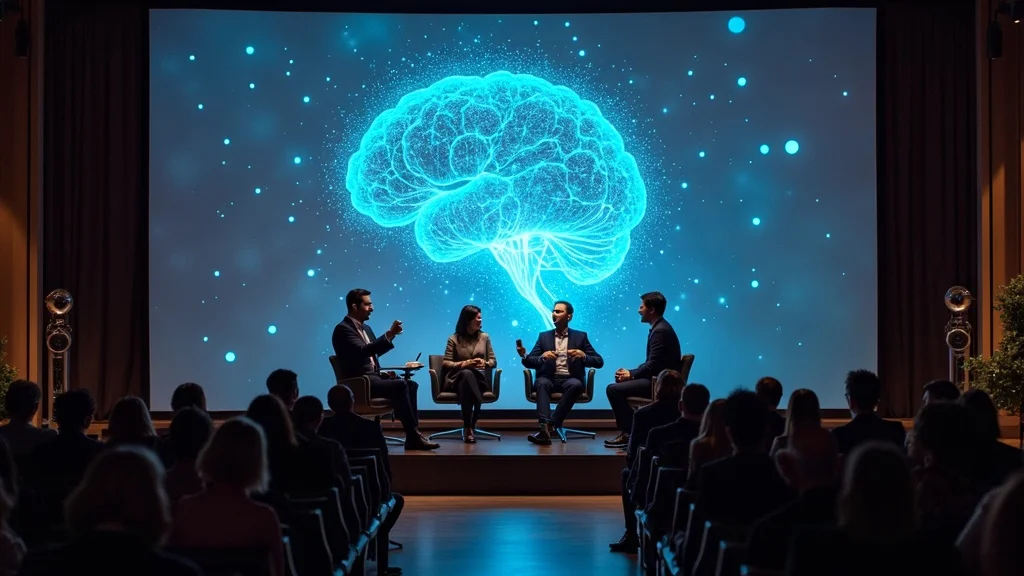
Watch a panel of diverse experts come together in a dynamic exchange, exploring how compassion and ethical frameworks can anchor human intelligence in the age of AI. You’ll hear compelling input on how communities, classrooms, and organizations are reshaping their approaches to technology—making space for human flourishing at every turn.
People Also Ask
How to be human in the age of AI?
Being human in the age of AI involves cultivating empathy, self-awareness, and community ties—prioritizing distinctly human values in a technology-centric world. Our daily choices, from how we communicate online to which digital tools we use, shape the future of human intelligence and spirit. We preserve what is uniquely human by remaining present with each other, fostering meaningful connections, and staying curious about ourselves and the world.
What did Stephen Hawking say about AI before he died?
Stephen Hawking cautioned that AI could become either the best or worst invention for humanity, urging careful stewardship and ethical frameworks. He referenced the importance of ensuring artificial intelligence serves human flourishing, not displacement, and warned about the need to build in robust moral guidelines so that AI enhances, rather than threatens, our future.
Is Life 3.0 a good book?
‘Life 3. 0’ by Max Tegmark is widely regarded as a thoughtful, accessible exploration of AI’s impact on future civilization, blending scientific analysis and ethical questions. Readers praise its ability to break down complex ideas about humanity, artificial intelligence, and ethics into narrative-driven discussion, making it a useful starting point for anyone looking to understand the age of AI.
Which is the best AI stock to buy?
Identifying the best AI stock depends on current market trends, company performance, and personal investment goals—consult a financial advisor for specific guidance. It’s important to research how a company’s artificial intelligence strategies align with ethical values and their approach to nurturing human potential, in addition to considering traditional financial factors.
FAQs About Nurturing Our Humanity in the Age of AI
Why focus on nurturing our humanity instead of solely advancing artificial intelligence?
Because human intelligence and the human spirit provide ethical judgment, empathy, and meaning-making that technology cannot replicate. Advancing only AI, without nurturing these, risks undermining what makes life deeply fulfilling.What are the main risks to the human spirit posed by rapid AI development?
Rapid AI development can lead to disconnection, erosion of empathy, and loss of community, especially if we prioritize efficiency over relationship and ethical context. Conscious effort is needed to protect and nurture our core human values.How can individuals and communities foster human intelligence in the AI era?
By creating learning experiences that blend technology with face-to-face interaction, encouraging reflective dialogue, and supporting initiatives that keep human relationships and creativity at the center of progress.What role does child development research play in understanding humanity’s future with AI?
Child development research helps us see the unique qualities and needs of human intelligence from the ground up, allowing educators and families to design experiences that build both cognitive and emotional resilience in the next generation.
Key Takeaways for Nurturing Our Humanity in the Age of AI
Human intelligence and the human spirit are complementary to—not replaceable by—artificial intelligence.
Nurturing our humanity is a shared process that thrives in active, mindful, and connected communities.
Pattern-based reflection and community dialogue elevate both human intelligence and ethical AI innovation.
Final Thoughts: Charting a Trust-First Course for Nurturing Our Humanity in the Age of AI
To chart a flourishing course in the age of AI, we must place trust, inquiry, and relationship at the center—elevating our shared human potential with every step.
If you’re inspired to deepen your understanding of how intentional strategies can foster resilience and growth in times of rapid change, consider exploring broader frameworks that help individuals and organizations adapt beyond the immediate context of AI. The principles found in The Holiday Growth Playbook offer valuable insights into building lasting engagement and nurturing meaningful connections—skills that are just as vital for human flourishing as they are for business success. By applying these adaptive mindsets, you can help ensure that both technology and humanity move forward together, creating opportunities for sustained growth and authentic community in every season.
Find Out More: Schedule Your 15 Minute Virtual Meeting
Ready to explore these questions further, or looking for practical guidance in your community or organization? Schedule your 15 minute virtual meeting today.
Sources
https://hbr.org/2022/04/human-skills-are-job-skills – Harvard Business Review
https://www.scientificamerican.com/article/ai-vs-human-intelligence/ – Scientific American
In the rapidly evolving landscape of artificial intelligence, it’s crucial to explore how we can preserve and enhance our humanity. The article “Human and Machine: Rediscovering Our Humanity in the Age of AI” by Kathy Pham delves into this topic, emphasizing the importance of maintaining human-centric skills such as ethical decision-making, empathy, and creativity amidst technological advancements. Similarly, the Center for Humane Technology’s initiative, “AI and What Makes Us Human,” addresses the challenges AI poses to our core human attributes, advocating for new norms and protections to uphold meaningful human experiences. Engaging with these resources can provide valuable insights into fostering a future where technology serves to enrich, rather than diminish, our shared humanity.




Write A Comment