

Why are so many employees starting to perceive gen AI as an unprecedented threat—and what can be done to not only survive, but thrive alongside it? If you’re feeling uneasy about how generative artificial intelligence (gen AI) will change the world of work, you’re not alone. Across industries, from seasoned professionals to entrepreneurs just starting out, workers feel an intensifying anxiety: Will AI take our jobs, devalue our skills, or even erode our sense of purpose at work? This opinion-driven guide aims to unpack these complex emotions, dispel common myths, and—most importantly—outline how we can harness gen AI as a helpful tool and copilot for growth, especially in minority-owned and small businesses that have the most to gain from strategic adoption.

Is Gen AI Really a Threat to Workers’ Livelihoods? Unpacking the Fears
The rapid entry of gen AI into the workplace has unleashed a storm of speculation and concern. Why gen ai feels so threatening to workers goes deeper than worries over technology—it taps into core fears about security, personal value, and the future of work itself. Many employees feel threatened not simply by automation, but by how gen AI can perform tasks once considered uniquely human—from writing and designing to analyzing complex data and facilitating interpersonal communication. The difference is that gen AI, unlike classic automation, impacts knowledge work and blurs the lines between what’s “safe” and what’s at risk.
We must explore that question through an integrated psychological and sociological lens. Key psychological theories of motivation show that workers derive much of their identity and satisfaction from skills, autonomy, and the feeling of having meaningful interpersonal connections at work. When gen AI starts handling tasks at a level comparable to or better than seasoned professionals, this triggers not only practical worries about job loss, but also a sense of times even existentially threatening change. Employees feel their roles may be devalued or replaced, while the true long-term impact on worker productivity and work satisfaction remains uncertain. Yet, history and interdisciplinary research show that, with strategic upskilling and adaptation, new technologies can just as often create opportunity as destroy it.
Opening Inquiry: What fuels the anxiety around gen ai in the workplace?
The anxiety most employees feel about gen AI goes beyond simple fear of the unknown. Workers are starting to perceive AI as a force that could fundamentally change or even uproot the traditional social characteristics of worker productivity and work. In workplaces where innovation moves quickly, this uncertainty creates a sense of urgency, compelling both leaders and staff to clarify: Is gen AI a good thing or a bad? Will it be a disruptor—or a helpful tool and copilot? The answer often comes down to communication, transparency around change, and a commitment to employee upskilling and agency in the process. Ultimately, how AI satisfies or frustrates human psychological needs will dictate if it’s seen as a threat or an opportunity.

What You’ll Learn from Understanding Why Gen AI Feels So Threatening to Workers
How gen AI impacts various industries: See the real shifts happening in fields ranging from healthcare to retail.
Common misconceptions about gen AI and job security: Unpack what’s myth and what’s fact about AI-led job replacement.
Practical adaptation strategies: Tools and action steps for both individual workers and small businesses to not only cope, but thrive.
The Roots of Why Gen AI Feels So Threatening to Workers
Understanding the roots of worker anxieties around gen AI requires comparing how society has responded to past waves of automation and AI. Work and interdisciplinary research into psychological theories of motivation indicates that each technological leap—whether it was mechanization, classic AI, or now gen AI—elicits a surge of uncertainty. However, gen AI feels distinctive because it affects knowledge work as much as manual labor. It challenges core elements of job satisfaction, self-worth, and the meaningful interpersonal connections so vital to fulfilling employment. Whereas traditional automation threatened repetitive or manual roles, gen AI can touch every rung of the corporate ladder, from data entry clerks to content strategists and even managers. This creates a sense that no job is safe, and that the very social and psychological fabric of the office might be under siege.
For those interested in actionable ways to leverage technology for business growth, exploring cutting-edge digital marketing solutions can provide practical examples of how AI-driven tools are already transforming small business strategies and opening new opportunities.
Comparing Worker Sentiment: Automation, Classic AI, and Gen AI Threat Perceptions |
|||
Technology Wave |
Main Worker Concern |
Nature of Threat |
Social & Psychological Impact |
|---|---|---|---|
Classic Automation |
Manual job loss |
Physical task automation |
Fear of obsolescence; tangible, often sector-specific |
Classic AI |
Routine cognitive jobs |
Rule-based digital tasks |
Workers feel displacement into higher-value work, with skepticism of technology’s reliability |
Gen AI |
Knowledge and creative jobs |
Dynamic problem-solving, communication, creativity |
Identity, value, and meaning in work questioned; threat perceived as more profound—even existential |
“For small business owners, gen ai represents both a disruptor and a lifeline—if we act strategically, it becomes the latter. ”
Gen AI’s Disruptive Impact: Fact vs. Fiction
The narrative that gen AI simply destroys jobs oversimplifies a much richer story. Here, we bust some common myths and shine a light on real-world cases where gen AI has actually empowered workers as much as disrupted them. A lot depends on whether organizations treat gen AI as a replacement—or an augmentation—of human capabilities. Here are several persistent myths, alongside evidence that reveals the nuances:
Myth 1: Gen AI will eliminate more jobs than it creates.
Reality: Studies and pilot programs show gen AI tends to reshape roles rather than replace them outright, pushing employees into more creative, high-value work.Myth 2: All industries are equally at risk.
Reality: Some sectors, like healthcare and education, are integrating gen AI as a helpful tool and copilot, while creative or administrative positions see more significant change.Myth 3: Workers have no control over their fate.
Reality: Employees who embrace gen AI early, develop digital literacy, and leverage uniquely human skills—like empathy or strategic thinking—tend to adapt and thrive.
How gen ai redefines roles in minority-owned small businesses
For minority-owned small businesses, the gen AI wave can feel particularly daunting, but also offers unique potential. Instead of balking at using gen AI, forward-thinking entrepreneurs view it as a catalyst: not just to reduce costs, but to expand reach, provide personalized service, and compete on a larger stage. These businesses often rely on tight-knit community ties and culturally aware frameworks—that gen AI can amplify, rather than erode, if deployed thoughtfully. A found that a lot of initial resistance comes from uncertainty, but early adopters have been able to shift their business models: automating administrative burdens, targeting new demographics with AI-driven insights, and freeing up time for meaningful interpersonal connections. The lesson: strategic adoption of gen AI, combined with upskilling and embracing community strengths, can transform a perceived threat into a powerful opportunity for resilient growth.

How to Adapt When Gen AI Feels So Threatening: Actionable Steps for Workers
Adapting to the gen AI era requires courage, curiosity, and a practical plan. If you (or your team) are feeling overwhelmed by change, use these steps as a starting point:
Assess your current skills: Take stock of your current strengths and identify areas where gen AI can’t easily replicate your unique value—such as empathy, strategic oversight, or creative problem-solving.
Upskill in areas gen ai can’t replicate: Prioritize learning tools that extend your capabilities. This could mean digital literacy courses, workshops in critical thinking, or community-led AI seminars. The best-prepared workers continuously upskill in areas AI struggles to master.
Leverage cultural and community strengths for business resilience: For small business owners, integrating cultural awareness into your offerings—supported by gen AI analytics—can help preserve identity and stand out from larger competitors.

Leveraging community networks to adapt effectively to gen ai changes
One of the most powerful ways employees can buffer the challenges of disruptive technology is by drawing on community support. Participation in local workshops, tech-upskilling groups, and business mentorship circles provides not only skills but also a sense of collective agency. These networks foster meaningful interpersonal connections—a major predictor of resilience and positive adaptation to workplace change—while also offering real-world advice about integrating AI in small-scale, sustainable ways. By sharing experiences and resources, minority and community-owned businesses transform adaptation into a collective opportunity, not an individual burden.
People Also Ask: Addressing Your Top Questions About Why Gen AI Feels So Threatening to Workers
How can minority-owned small businesses benefit from gen ai adoption?
Minority-owned small businesses can leverage gen AI to streamline administrative tasks, personalize customer outreach, analyze market trends, and gain insights that were once only accessible to large enterprises. When they embrace gen AI as a helpful tool and copilot, they free up time for relationship-building and community-focused initiatives—turning disruption into growth.
What specific jobs are most at risk from gen ai?
Roles that are highly repetitive, routine, or rules-based—such as data entry, basic administrative support, and low-level content generation—are more susceptible to displacement. However, jobs that require nuanced judgment, creative problem-solving, empathy, and uniquely human touch remain in demand, especially as gen AI creates new needs for human-AI collaboration and oversight.
Quotes From Community Trailblazers: Turning Gen AI Threats Into Opportunity
“Embracing gen ai early has allowed my small business to serve more clients and focus on high-touch relationships. ” — Local entrepreneur
Frequently Asked Questions About Why Gen AI Feels So Threatening to Workers
Can gen ai help rather than hurt small businesses?
Absolutely. When integrated with a clear business strategy, gen AI is a helpful tool and copilot that can automate tedious processes and open doors to new markets—especially for owners who remain nimble and community-focused.Where can workers find gen ai skills training?
Workers can find training from local community colleges, online platforms like Coursera or Udacity, and through industry-sponsored workshops. Many organizations and community groups now offer free or subsidized programs aimed at upskilling in digital and AI competencies.What safeguards exist for workers displaced by gen ai?
Several states and municipalities are launching “AI retraining funds” and workforce transition support. Policy advocacy for fair tech adoption and continuous learning policies helps ensure no worker is left behind as technology evolves.
Key Actions for Workers and Business Owners to Adapt to Gen AI
Invest in digital literacy: Understand the basics of AI, stay current with industry trends, and experiment with new tools in a low-risk context.
Join community-led technology forums: Connect with local business owners, mentors, and educators who have integrated psychological and social support into AI upskilling programs.
Advocate policy for equitable tech adoption: Engage with local government and industry associations to shape fair and inclusive AI transition policies—especially for underrepresented and minority communities.
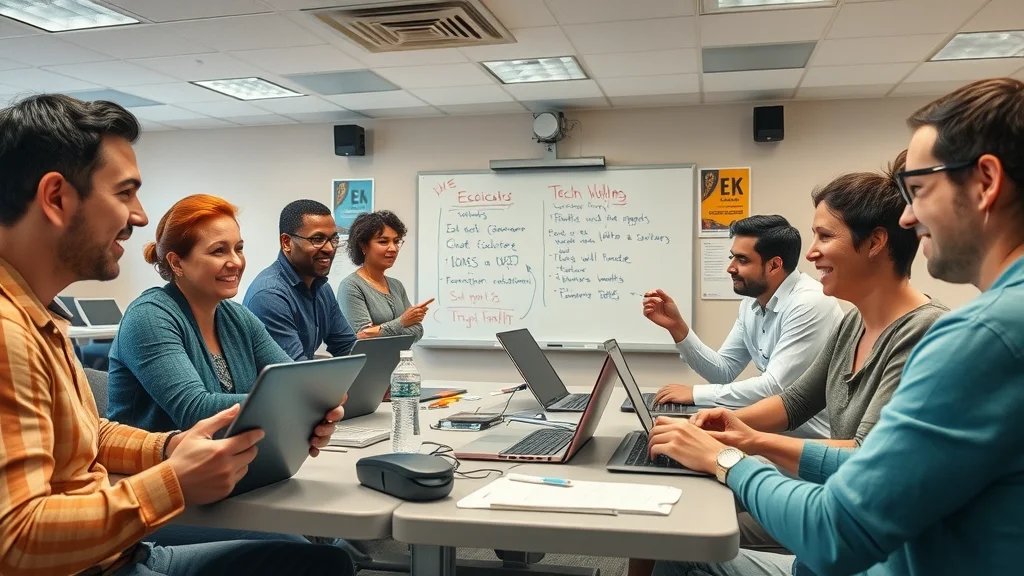
In Summary: Reframing Why Gen AI Feels So Threatening to Workers as a Call to Innovate
Transforming fear into opportunity to thrive with gen ai
While the challenges posed by gen AI are real—and sometimes intimidating—history shows that with proactive reskilling, a supportive community, and an open mind, workers and small businesses can turn disruption into dynamic, future-proof success.
Watch: “How a local business owner transformed their operation with gen AI. ”
See a friendly entrepreneur interact with customers
Experience digital AI tools in their daily workflow
Compare 'before and after' workflow efficiency
Meet a diverse, happy staff collaborating and serving clients in a modern retail or office setting
If you’re ready to move beyond fear and start building a future-proof business, consider how integrating advanced digital marketing strategies can amplify your efforts with gen AI. By exploring innovative approaches and staying ahead of digital trends, you can position your business for sustainable growth and resilience. Discover how to harness the latest in AI-powered marketing and technology by visiting our guide on cutting-edge digital marketing solutions. The next step in your adaptation journey could be just one strategic insight away—empower yourself to thrive in the evolving world of work.
Ready to turn gen ai disruption into growth? Schedule a 15 minute let me know further virtual meeting at https://askchrisdaley.com
To further explore the challenges and strategies associated with generative AI in the workplace, consider the following resources: “Why Gen AI Feels So Threatening to Workers” (store. hbr. org) “The Rise Of AI Resentment At Work: Why Employees Are Pushing Back” (forbes. com) These articles provide in-depth analyses of the psychological impacts of AI on employees and offer strategies for organizations to address and alleviate these concerns.




Write A Comment