

Imagine this: by 2030, the number of autonomous machine customers will surpass the global human population. That’s not science fiction—it’s the rapid reality reshaping commerce. Today, if you’re not be very aware that you have a human and a machine customer to engage, your business could quickly fall behind. Both customers—real people and algorithmic systems—make decisions, form loyalties, and expect seamless experiences. Are you equipped to give each what they require?
Opening Insights: Why Be Very Aware That You Have a Human and a Machine Customer to Engage?
In an era where AI systems and humans jointly shape market dynamics, businesses need to rethink their approach to customer engagement. Humans still drive purchasing with their values, preferences, and feelings—but increasingly, machine customers like smart assistants, bots, and algorithms are entering the scene. These entities analyze massive data sets, interact with products and services, and even make decisions instantly. For organizations—especially small, minority-owned businesses—the imperative to engage both customer types directly impacts survival and growth. Companies already paying attention and adapting see higher customer loyalty and long-term advantage in their industries. The question is not ‘will machines become your customer?’ but ‘when,’ and more importantly, ‘are you ready?’
"Did you know that by 2030, the number of autonomous machine customers will surpass the global human population?"
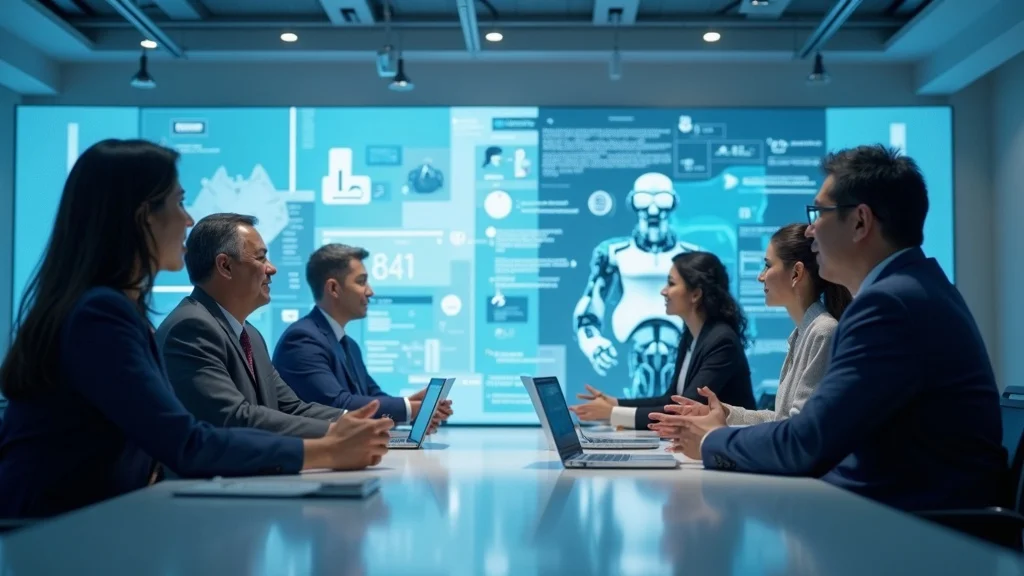
The Changing Definition of the Customer: Human and Machine
Traditionally, human customers have defined commerce—bringing with them individual needs, trust building, and personal interaction. With the rise of digital transformation, however, the customer now includes both the person and the machine customer: an algorithmic agent or AI system empowered to make rapid purchasing decisions. This second type of customer operates without human emotion, acting on logic and efficiency. Businesses must balance personalized service with seamless API access, trustworthy data collection, and robust machine-to-machine connections. Failing to recognize this new duality in customer experience could severely limit a company’s potential in an AI-driven marketplace.
What You'll Learn About Engaging the Human and Machine Customer
Understanding the distinction between human and machine customers
Strategies for customer engagement suited to both audiences
The rise of machine customers and the implications for small businesses
How using data collection, AI, and trust-building sets businesses apart
Introduction to Machine Customers and Human Customers
The Emergence of the Machine Customer
Forget robots in the distant future—machine customers are here now. From voice assistants (like Siri or Alexa) to retail bots and recommendation engines, these AI-powered agents are reshaping every interaction. Machine customers use data collection, machine learning, and advanced analytics to evaluate offerings, compare alternatives, and transact with businesses—often faster and more rationally than any human can. As analyst firms predict exponential growth in machine-to-business interactions, small and minority-owned businesses have a golden opportunity: by capitalizing early, they can leapfrog larger competitors in digital strategy. The new machine customer doesn’t just prefer efficiency—it demands it.
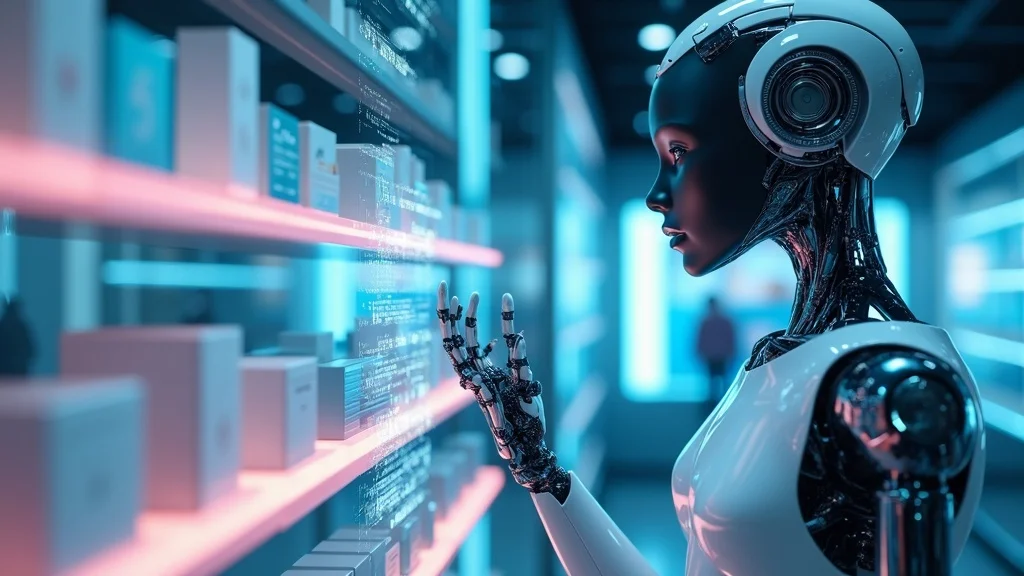
As you consider how machine customers are transforming commerce, it's also valuable to explore how digital transformation strategies can be tailored for small businesses. For actionable steps and practical insights, visit this guide on leveraging technology for business growth.
Defining the Human Customer in a Digital Age
Despite all the buzz around AI systems, the human customer remains the heartbeat of commerce. Real people seek connection—through transparent communication, legitimacy, and empathy. Human customers base purchasing decisions on factors like shared values, social proof, and a tailored customer experience. But today’s humans are also more tech-savvy, interacting via mobile apps, self-service kiosks, and online interfaces. They expect businesses to blend the warmth of human interaction with the convenience and speed only AI can offer. The successful company is the one that unites both: providing authentic connections alongside reliable digital pathways, so that every transaction feels seamless, safe, and meaningful—whether the customer is flesh and blood or lines of code.
The Hype Cycle: Adoption of Customer Engagement Technologies
How do businesses navigate the rapidly shifting world of customer engagement? Enter the hype cycle: a model used by analyst firms to chart technology adoption. Each phase—from Exploration and Adoption to Maturity—has distinct impacts on both human and machine customers. Early on, humans may be wary, while machine customers start to participate more as businesses integrate AI systems. As new solutions become mainstream, both customer types benefit from streamlined experiences and predictive analytics.
Stages of Hype Cycle |
Human Customer Impact |
Machine Customer Impact |
|---|---|---|
Exploration |
Low |
Rising |
Adoption |
Rising |
Moderate |
Maturity |
High |
High |
Understanding the hype cycle empowers even the smallest business to time investments in customer engagement technologies—not just to keep pace, but to lead. As more companies progress toward maturity, integrating both human and machine customers in their customer experience becomes the new standard.
How Humans and Machines Interact in Modern Commerce
Seamless Transactions: Humans, Machines, and Hybrid Journeys
The modern purchasing journey isn’t just about one or the other—it’s a seamless dance between real people and AI systems. Picture this: A customer finds a product recommendation through a large language model, consults online reviews (aggregated by bots), then finishes the purchase in-store with a smile from a real salesperson. Some transactions are driven completely by machine customers (think: self-replenishing office supplies via automated systems), while others blend the warmth of human interaction with digital efficiency. Businesses excelling today don’t force a choice; instead, they design customer engagement pathways flexible enough for both types of customer journeys, maximizing both personal touch and rapid machine-driven service. This hybrid approach doesn’t just elevate convenience—it builds trust and customer loyalty in a world shaped by humans and machines alike.

The Role of Data Collection in Customer Journeys
Data collection sits at the very core of serving both human and machine customers. For humans, every swipe, search, or click is loaded with intent—giving businesses insights into needs, preferences, and pain points. For machine customers, APIs, connected devices, and AI systems rely on continuous streams of clean, structured data for real-time decision making. Ethical, transparent handling of data builds trust, particularly as privacy becomes a cornerstone of customer engagement. Small businesses can now access machine learning tools that analyze human and machine behaviors in tandem, uncovering hidden trends to tailor offerings. The result? More effective digital strategy, frictionless journeys, and a competitive edge for even the most under-resourced or minority-led organizations.
Why Be Very Aware That You Have a Human and a Machine Customer to Engage
Meeting the Needs of Both Customer Types
Ignoring machine customers is the new competitive disadvantage. The businesses thriving in today’s digital landscape are those who acknowledge—and actively serve—the full spectrum of their customer base. Human customers crave understanding, empathy, and reliable service, all while expecting digital convenience. Machine customers, on the other hand, demand fast API responses, secure integrations, and transparent transactions that don’t require human input. To win in both arenas, businesses—especially those in the small and minority-owned sector—must invest in both high-touch experiences and low-friction machine interfaces. Failing to do so means not only losing out on efficiency-driven sales, but also risking relevance in a landscape being hurriedly rewritten by AI, generative AI, and autonomous digital agents.
"Ignoring machine customers is the new competitive disadvantage."
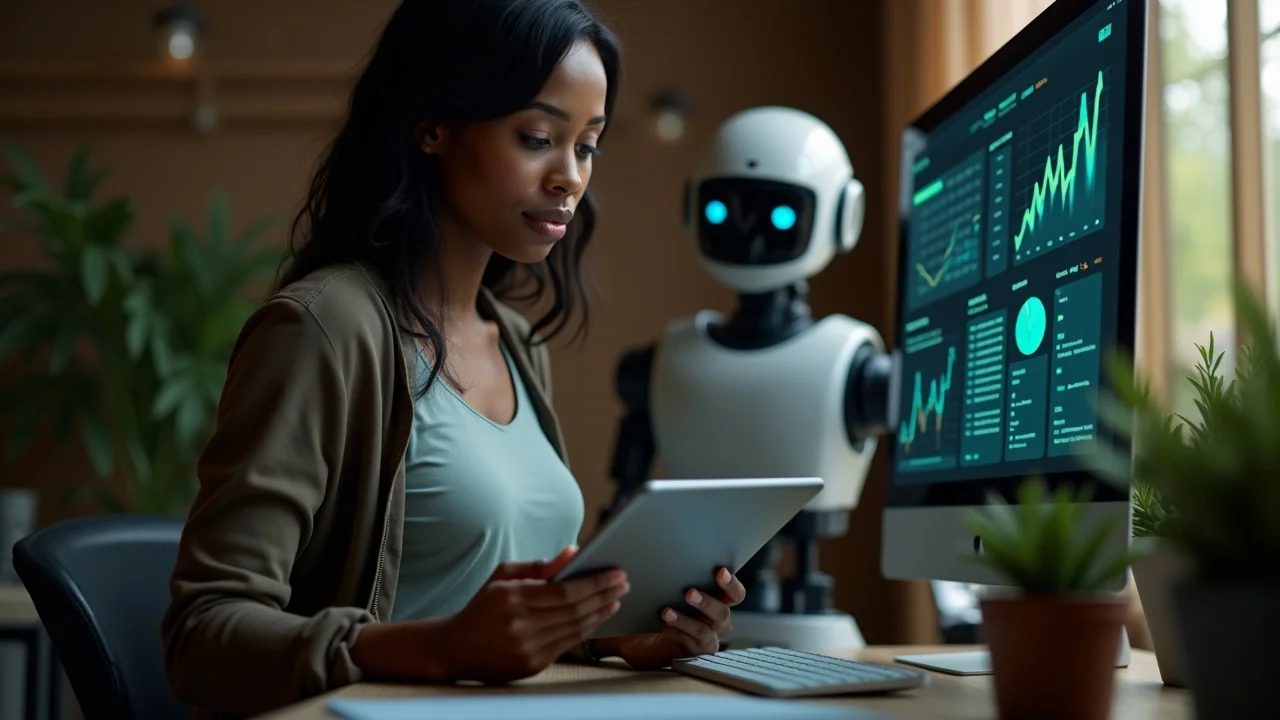
Strategies to Build Trust and Engagement with Human and Machine Customers
Best Practices in Customer Engagement
Earning the loyalty of both types of customers requires a dual strategy. For human customers, focus on personalization—custom messages, tailored recommendations, and memorable real people interactions. For machine customers, prioritize technical excellence, such as seamless API access and up-to-date product databases. And for both, make transparency around data collection non-negotiable: be open about how data is used, protected, and managed. Whether you are a large language model innovator or a family-run retail news site, building mutual trust is the glue of modern customer engagement. Here’s a quick checklist:
Personalization for human customers
Seamless API access for machine customers
Transparent data collection practices

Case Study: Small Business Adaptation and the Minority Community
Success Stories: Minority-Owned Businesses Leveraging AI and Machine Customers
Technology is often called the great equalizer—and nowhere is this more evident than in minority-owned businesses rapidly adopting AI and courting machine customers. For example, one urban boutique used AI-driven analytics to predict what real people and algorithmic agents would buy, resulting in an inventory that almost never went unsold. Another family-run food service successfully set up automated ordering for both direct customer requests and machine-generated supply chain replenishment, thanks to smart data collection and easy machine API integration.
"Technology is the great equalizer for under-resourced businesses."

These success stories show that paying attention to both human customers and machine customers can spark exponential growth and resilience, leveling the playing field even when resources are limited. Advocacy for technology adoption in minority communities isn’t just about staying current—it’s about thriving in the face of rapid change, outmaneuvering larger competitors, and building a loyal, diverse, tech-forward customer base.
The Role of Artificial Intelligence: Making Support More Engaging
AI-Driven Customer Engagement: Human and Machine
Artificial intelligence is transforming how businesses interact with their human and machine customers. AI can remember past purchases, understand language nuances via large language models, and even anticipate needs before the customer (human or machine) expresses them. Personalization is taken to a new level—imagining a scenario where a chatbot guides a human through a problem, while an API delivers a fix directly to another machine customer, all in real time. For the small business owner, AI removes much of the manual work, allowing more time for high-value tasks like relationship building and creative growth in the market.
Practical Applications of AI for Small Businesses
Implementing AI doesn’t mean a full tech overhaul—it can be as simple as using chatbots for human support, automated inventory management for machine partners, or predictive analytics to understand trends spanning both customer types. Many businesses already employ news site integrations, automated messaging, or smart recommendations without even realizing they’re interacting with machine customers. The key is to identify where automation can amplify your impact, then take steps (however small) to integrate these systems into your daily digital strategy. Even basic AI applications create a competitive advantage, especially when combined with authentic, high-touch service for human customers.

Future Outlook: What’s Next for the Human and Machine Customer Relationship
Beyond Transactions: Predictive Engagement
The evolution from simple transactions to predictive engagement is already underway. Advanced AI, big data, and smart device connectivity enable businesses to forecast what customers—both machine and human—might want next. This means no more guessing about inventory, marketing, or service; machine learning sifts through historical patterns, suggesting proactive offers and support in real time. Minority-owned businesses especially stand to gain, as predictive technologies often level resource gaps and help anticipate competitive shifts. The future belongs to forward-thinking companies able to nurture lifelong customer loyalty—sometimes from a real person, sometimes from an unblinking machine.
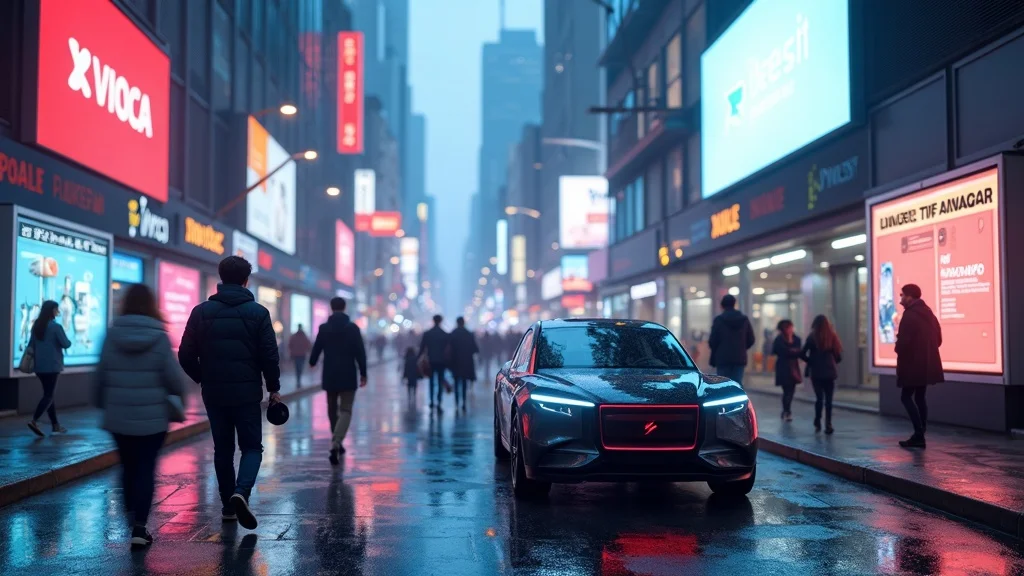
Preparing for Advanced Machine Customers
As machines gain the ability to make complex decisions and interact more naturally, businesses must design offerings with both human and machine customers in mind. That includes clear digital documentation, robust integrations, and easy onboarding for autonomous agents—alongside creative, relatable experiences for humans. Investing in next-generation customer engagement technology is no longer just a recommendation but a necessity for anyone wanting to survive, compete, and grow in tomorrow’s market.
People Also Ask: How do humans interact with machines?
Answer: Modern customer engagement depends on both direct (interfaces, apps) and indirect (machine-to-machine) collaboration between humans and machines.
Humans interact with machines by using interfaces like apps, websites, and kiosks, while behind the scenes, AI systems power recommendations, automate service, and even communicate with other machines seamlessly. This hybrid approach ensures a better customer experience for everyone—real people and machine customers alike.
People Also Ask: What are the three importance of a machine to humans?
Answer: Machines enhance efficiency, enable scalability, and provide new insights through big data—driving business growth alongside human ingenuity.
Machines play three critical roles for humans: they automate repetitive tasks (speeding up operations), help scale businesses with minimal additional labor, and use data analytics to uncover patterns not easily visible to humans, supporting strategic decision-making and market success.
People Also Ask: What are machine customers?
Answer: Machine customers are algorithmic agents or automated systems empowered to make purchasing decisions and interact with businesses autonomously.
The modern machine customer could be a smart home device ordering supplies, a procurement bot reordering inventory, or an autonomous vehicle booking services—acting on behalf of real people or organizations, but doing so independently, fueled by powerful AI.
People Also Ask: How would AI make customer support more engaging and satisfactory for customers?
Answer: AI personalizes interactions, delivers faster support, automates mundane tasks, and anticipates needs for both human and machine customers.
With artificial intelligence, both human customers and machine customers receive more relevant support: AIs can understand language, context, and preferences to deliver tailored solutions and anticipate problems, leading to higher satisfaction and deeper customer engagement for all.
Expert Quotes on Human and Machine Customer Engagement
"In the future, your next loyal customer may well be a machine programmed to never forget good service."
Key Takeaways: Be Very Aware That You Have a Human and a Machine Customer to Engage
Recognize the unique needs and journeys of human and machine customers
Leverage AI, transparency, and personalization
Adopt technology early for a competitive edge—especially as a small, minority-owned business
FAQs on Engaging Human and Machine Customers
What technologies help engage both customer types?
How can small businesses get started?
Are machine customers relevant for every industry?
How is customer trust maintained when engaging with machines?
Conclusion: Empower Your Business by Engaging Both Human and Machine Customers
Adopt a dual approach to customer engagement to not just survive, but thrive in the new digital reality.
Schedule a 15 minute let me know further virtual meeting at https://askchrisdaley.com
As you look to future-proof your business, remember that mastering engagement with both human and machine customers is just the beginning. For a deeper dive into holistic digital strategies and to discover how you can position your organization for long-term success in an AI-driven world, explore the broader resources and expert insights available at Ask Chris Daley. Unlock advanced techniques, stay ahead of emerging trends, and empower your business to thrive in the evolving landscape of customer engagement.
Sources
In today’s rapidly evolving digital landscape, businesses must recognize the importance of engaging both human and machine customers to stay competitive. The article “We Built CX for Humans. Machine Customers Will Change Everything. ” (five9. com) delves into the emergence of machine customers—autonomous agents and AI systems that interact with businesses—and emphasizes the need for companies to adapt their customer experience strategies to cater to these non-human entities. Similarly, “Reinventing Customer Experience: The Human Touch In An AI-First World. ” (forbes. com) discusses the balance between leveraging AI for personalization and maintaining the essential human connection in customer interactions. By understanding and implementing strategies that address the needs of both human and machine customers, businesses can enhance engagement, build trust, and drive growth in an increasingly AI-driven marketplace.



Write A Comment