

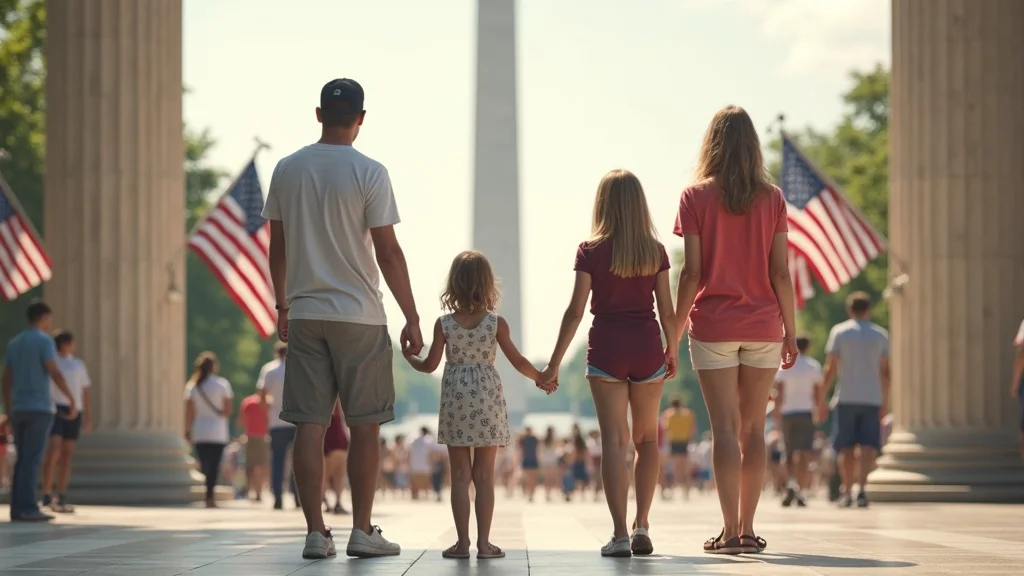
Imagine a sunrise that isn’t just the start of a new day, but a signal—a quiet reminder that the ambitions we foster today could echo generations ahead. Instead of short-term solutions, what if we approached life as stewards tasked with shaping a shared future centuries in advance? To do so, we must ground our vision in the enduring value of community and the lessons found in marriage and family formation, looking beyond the immediate horizon to the next 250 years. This perspective not only enriches our understanding of American life but also calls us to consider the legacy we choose to create for those who follow.
What You'll Learn from Exploring 'Setting Our Sites for the Next 250 Years'
Gain insight into the philosophy and intention behind long-term thinking
Discover how marriage and family interact with the concept of a shared future
Learn from expert perspectives on building community and legacy
Understand the interconnected roles of leadership, faith, and innovation
Setting the Stage: Why ‘Setting Our Sites for the Next 250 Years’ Matters
“Long-term vision is not just about planning for tomorrow, but being deeply present in shaping today.” – Community thought leader
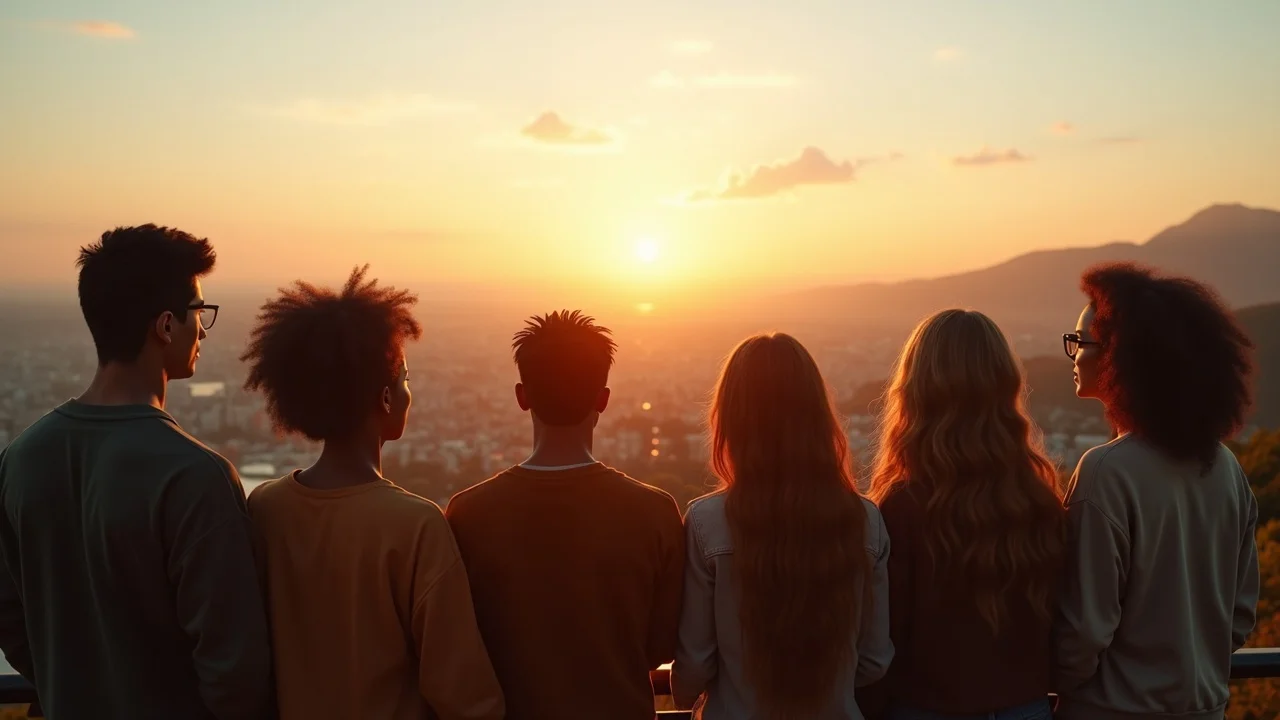
We are living at a remarkable inflection point for American families and communities. While current debates swirl about family formation, birth rate, and the role of marriage and family in public policy, the deeper question persists: How do we purposefully contribute to a shared future that stretches a quarter-millennium beyond our lives? Looking through the lens of the Semiquincentennial Commission—America’s 250th anniversary body—one fact is clear: Our moment calls for humility and foresight, grounded in an honest reckoning with American history and a desire to serve generations yet unborn. This is more than a reflection on the past; it is a test of courage and collaboration for today’s leaders, families, and citizens.
If we want to shape a vibrant American life for centuries to come, we must recognize the need for new models of leadership and innovation rooted in trust, responsibility, and proven community wisdom. Every act—whether by parents nourishing a family unit, religious people bridging faith and change, or political leaders forging coalitions—contributes a brushstroke to this expansive vision. Setting our sites for the next 250 years asks us to plant seeds—of trust, collaboration, and creativity—whose shade may comfort the descendants of the people who gather in these conversations now.
Defining a Shared Future: The Heart of Setting Our Sites for the Next 250 Years
How Family Formation Influences a Shared Future
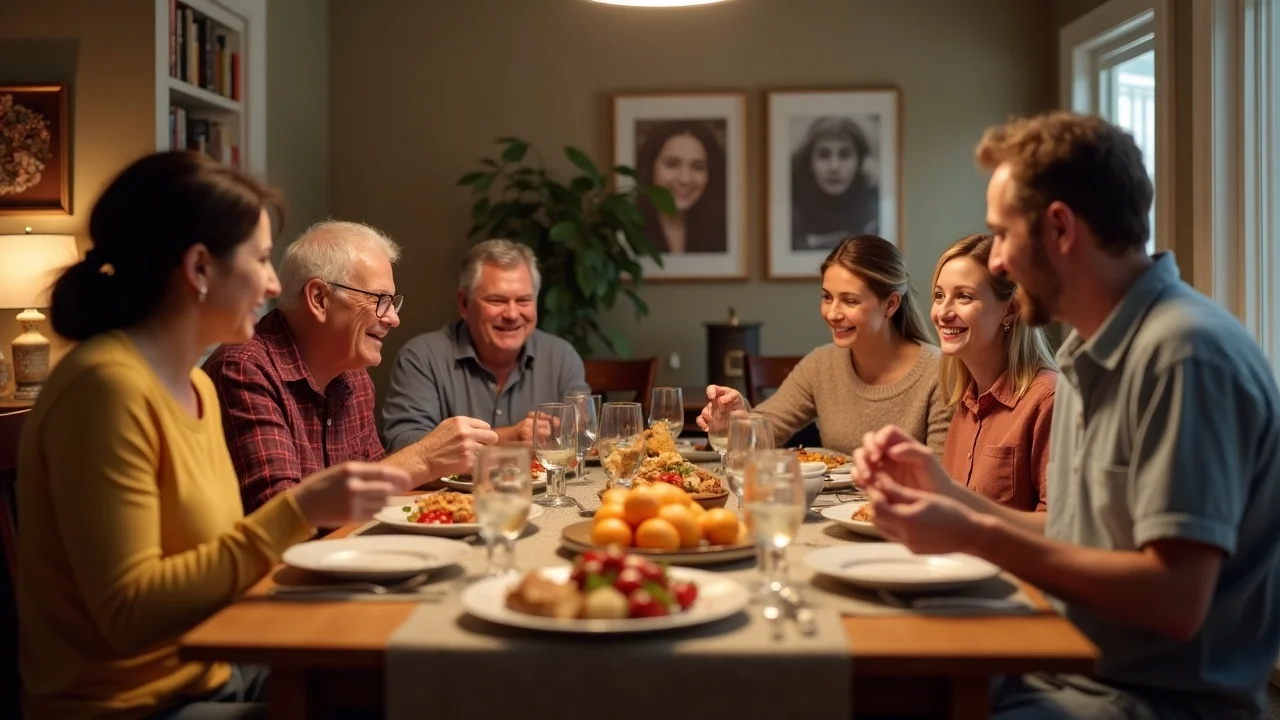
Family formation remains a central theme—across ideologies, geographies, and even amid the current crisis around changing gender roles and declining birth rates. For centuries, the natural family—often defined as a lifelong union of a man and one woman—has been both a source of stability and tension within American families. The declining birthrate among young people, shifting aspirations of young women, and the rise of non-traditional households all signal that how we practice family life is, itself, dynamic.
What endures, however, is the aspiration for family units to become stewards of hope, resilience, and legacy. Whether at the dinner table or through stories passed between mothers and fathers, lessons of sacrifice and care become threads in the social fabric. As we look 250 years ahead, the strength of our shared future hinges on the ability of families—regardless of form—to transmit values of trust, tolerance, and forward-thinking. It is through families that continuity is embodied, and without intentional support—be it through federal government incentives like tax credits or renewed attention to intergenerational mentorship—this legacy risks fraying.
Marriage and Family as Pillars in Vision-Casting
“A society grows great when people plant trees whose shade they know they shall never sit in.” – Ancient proverb
It’s not uncommon to see marriage and family invoked in debates about the Declaration of Independence or executive orders affecting family support, tax policy, or gender roles. The truth is, when we talk about casting vision for the next 250 years, the very first architects are often men and women joining their lives and labors for the good of a greater whole.
But vision-casting isn’t about romanticizing the past or enforcing a rigid family blueprint. Instead, it is a living practice—a dialogue between past wisdom and emerging needs. Families possess a unique opportunity to cultivate durable habits of hope, service, and adaptability. How we honor this opportunity—through policy, culture, and personal choice—will determine whether our shared future is marked by greater equity and innovation or by fragmentation. The heartbeat of this movement is simple: when American families flourish, so does the nation’s capacity for renewal and leadership.
Pattern Recognition: Recurring Tensions and Opportunities on the 250-Year Horizon
Balancing technological innovation with community values
Navigating changing definitions of leadership and family formation
Reconciling faith traditions with emerging societal needs

True long-term navigation depends on pattern-recognition—naming the recurring tensions and opportunities that shape our era. With the proliferation of social media and constant shifts in job markets, educational models, and community structures, questions about the adaptability of the American family are more relevant than ever. It’s no longer about simply preserving old forms, but about integrating wisdom from the past with innovation that respects dignity, agency, and genuine wellbeing.
Take technology, for instance: its rapid advance shapes how young people connect, how men and women form their identities, and how shared values are communicated—or contested. As faith-based leaders and secular thinkers alike strive for relevance, they face the challenge of unifying tradition and transformation. These patterns are not obstacles; they are prompts for creative leadership and ongoing dialogue. Recognizing the cycles of crisis and renewal allows us to intentionally build toward a shared future that values both legacy and experimentation.
Elevating Leaders: Voices Shaping the Path to a Shared Future
Mini-Profiles of Community Leaders and Visionaries
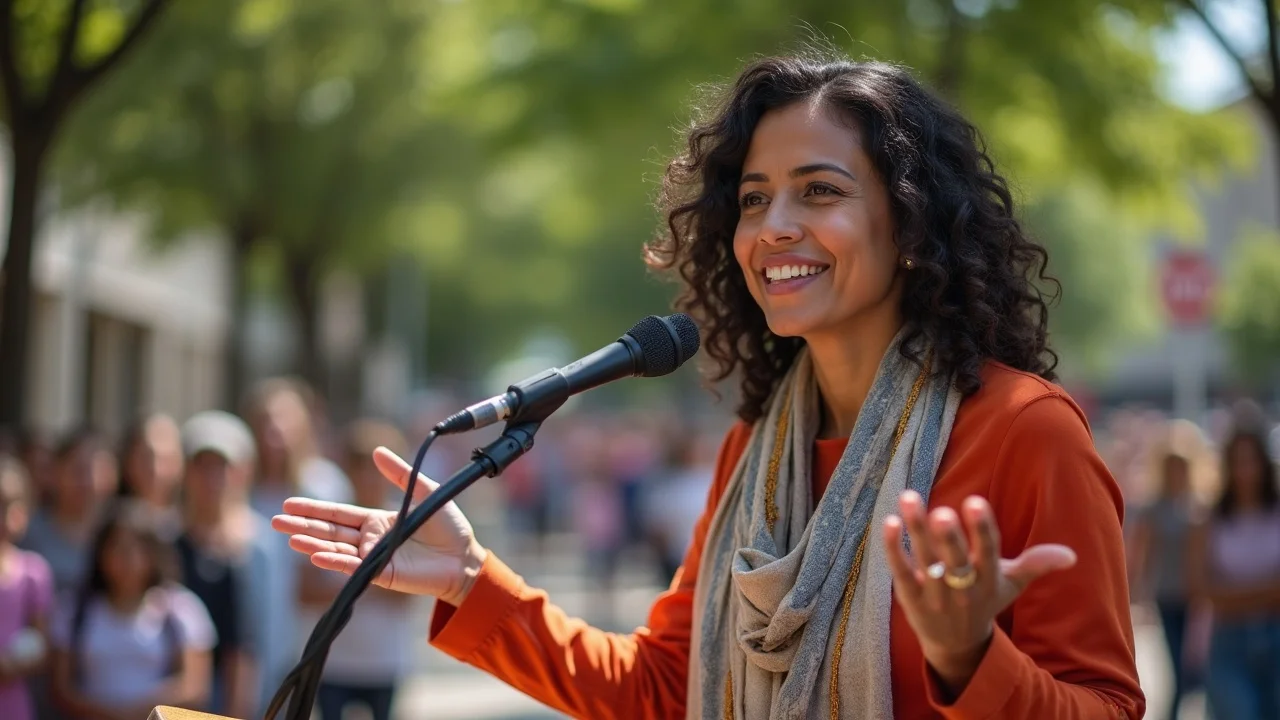
Over the course of reporting for this project, I’ve spoken with a wide range of innovators. One community leader—a third-generation pastor’s daughter and serial founder—shared how her faith grounds her commitment to service: “We build not for ourselves, but for our children’s children. ” Another, a technology executive mentoring young people in urban neighborhoods, emphasized the need for practical skills and deep listening as the foundation for trustworthy change. Their diversity of backgrounds—religious people, educators, political leaders, and entrepreneurs—reveals that long-term impact is cultivated through openness, humility, and the willingness to elevate voices that are too often ignored.
These leaders focus on questions that transcend generational and institutional boundaries: How does the federal government enable or hinder giving initiatives? What does it look like to champion both tradition and innovation? The answer is rarely found in a single program or executive order, but in a web of intentional relationships and cross-sector dialogue. Ultimately, it is leaders—formal and informal—who set the tone for a future that aspires not toward homogeneity but toward true belonging and collective stewardship.
“We build not for ourselves, but for our children’s children.” – Interview excerpt from a faith-based leader
Media Contact and Expert Insights for a Shared Future
As an independent journalist with a trust-first posture, my role is to amplify the practical wisdom and convictions of these leaders—not to spin, but to serve as a bridge for those eager to learn. For those seeking further dialogue or wish to connect with experts and advocates working on shared future initiatives, media contact remains crucial. Establishing relationships rooted in transparency and collaboration, whether through digital roundtables or inter-organizational partnerships, allows insights to ripple beyond the usual silos.
If you’re interested in scheduling a media contact or wish to spotlight leaders in marriage and family advocacy, family formation research, or technological innovation for community wellbeing, please reach out—these conversations matter. Shared learning, and the humility to seek out constructive perspectives, truly builds the foundation for the next 250 years.
Community Building: How Trust and Collaboration Drive Long-Term Impact
Foundations of trust in marriage and family formation
Intersections of faith, technology, and wellbeing
Collaboration strategies—what works, and what lessons echo through generations
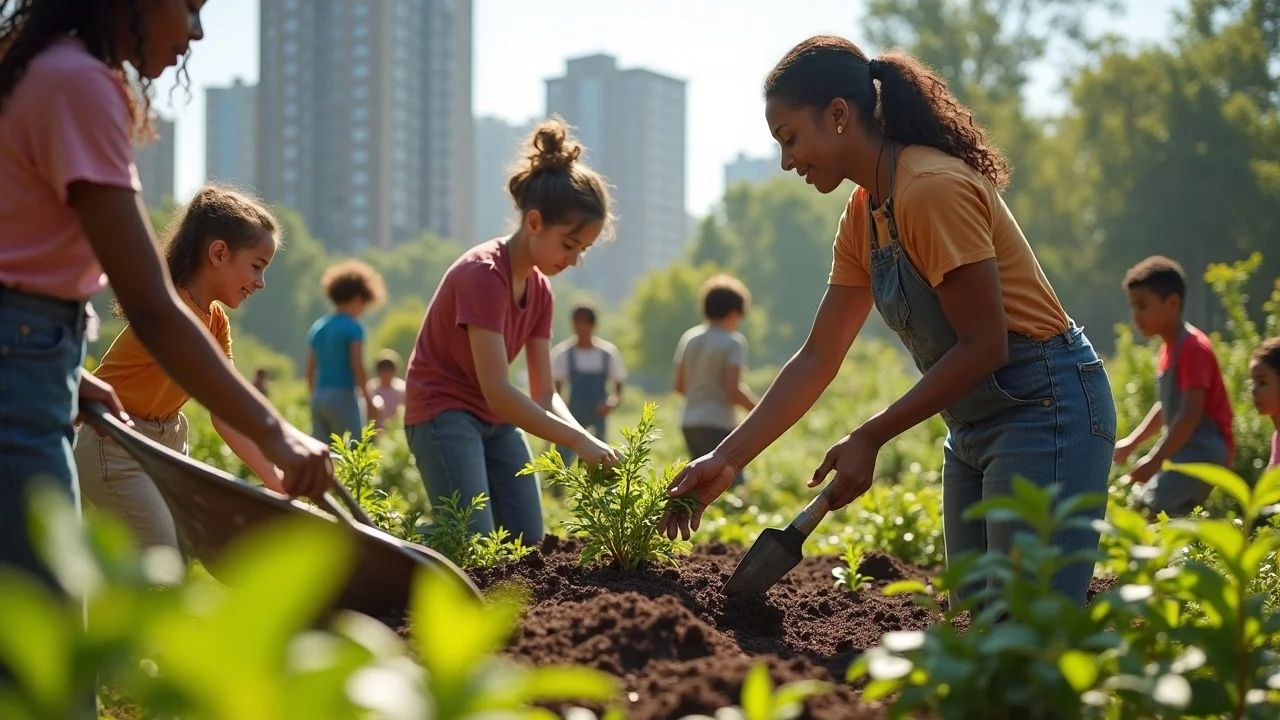
Every significant milestone in American history—whether positive or contested—depended on a foundation of trust. In the context of family formation, trust is both a personal and collective resource, cultivated over decades and measured by the ability of communities to respond to adversity with resilience rather than division. Long-term collaborations—between families, schools, faith organizations, and technological innovators—demonstrate what is possible when mutual respect and a shared “north star” override suspicion and self-interest.
Effective strategies often blend ancient wisdom (like intergenerational mentorship and neighborly giving initiatives) with new tools (think: shared digital platforms or community gardens fostering both human and ecological renewal). These experiments echo throughout generations; they shape what it means to belong and secure the roots necessary for adaptability. Wellbeing, whether expressed through civic initiatives or the stability of the natural family, is amplified when communities pursue practical, relationship-driven collaboration—not simply transactional exchanges or compliance with federal mandates.
Invitation to Dialogue: Questions for Readers on Setting Our Sites for the Next 250 Years
What do you hope to see endure 250 years from now?
Which values from your family or community feel timeless?
How can everyday innovation contribute to a better shared future?

Setting our sites for the next 250 years is at its best when it’s not a monologue, but a living conversation. Take these questions into your next family meal, text chain, or community forum. The richest solutions—and the most resonant legacies—grow from honest dialogue that bridges generations, geographies, and values. Whether you’re a parent, educator, technologist, or civic leader, your participation is essential. What does it mean, in practical terms, to build a shared future that is worthy of trust?
These prompts are not just hypothetical; they’re the core of an ongoing process by which American people articulate priorities, invest in values, and translate aspirations into sustained action. Let’s carry these questions forward, inviting neighbors, mentors, and especially young people into the work of designing a future that starts before us—and long outlasts our day.
In this featured discussion, thought leaders reflect on why it takes more than just hope or policy to sustain the American experiment for another 250 years. The panel weaves together insights from community organizing, technological design, faith-based giving initiatives, and the lived experience of men and women shaping the cultural narrative. Their lively debate surfaces both recurring challenges and unexpected opportunities for creative partnership.
What emerges is a rich tapestry: one in which the wisdom of elders, the passion of young people, and the innovative edge of emerging leaders find room to breathe. Participants repeatedly note that a shared future will depend not only on strong institutions, but also on daily choices founded on humility, adaptability, and curiosity. Whether you lead a large organization or nurture a single family unit, let this conversation invite you to step more fully into the work of generation-spanning change.
People Also Ask
Why are people saying there are 52 states?
The United States officially comprises 50 states; however, there is common confusion due to mentions of Washington, D. C. and U. S. territories like Puerto Rico and Guam. These regions are sometimes lumped together in casual conversation, but they are not officially recognized as states. This misconception sometimes appears in popular culture or social media but does not reflect the actual political structure established by the federal government.
Why is America 250 important?
America 250, the semiquincentennial celebration, is significant because it marks 250 years since the signing of the Declaration of Independence. This event offers the American people an opportunity to reflect on the past, celebrate achievements, and consider the legacy we leave for future generations. It also serves as an invitation to address current crises and unite towards building a brighter, more inclusive shared future for all American families.
Where do 80% of Americans live?
Approximately 80% of Americans reside in urban and suburban areas, according to data from the U. S. Census Bureau. These densely populated regions are vital hubs for economic activity, diversity, and innovation. The concentration of the population in cities creates both challenges—like affordable housing and community development—and opportunities for forging stronger connections that can shape our shared future.
What is the website for America 250?
The official website for America 250, the semiquincentennial commission, can be accessed at https://america250.org. This site provides updates, event information, and resources for how American people can take part in the 250th celebration and join efforts to envision the nation’s next era.
Key Themes and Takeaways on Setting Our Sites for the Next 250 Years
Start long-term planning by focusing on core community values
Trust and transparency are foundational for multi-generational impact
Pattern-recognition helps us avoid repeating missteps and highlight progress
Marriage, family, faith, and innovation remain central to shaping a shared future
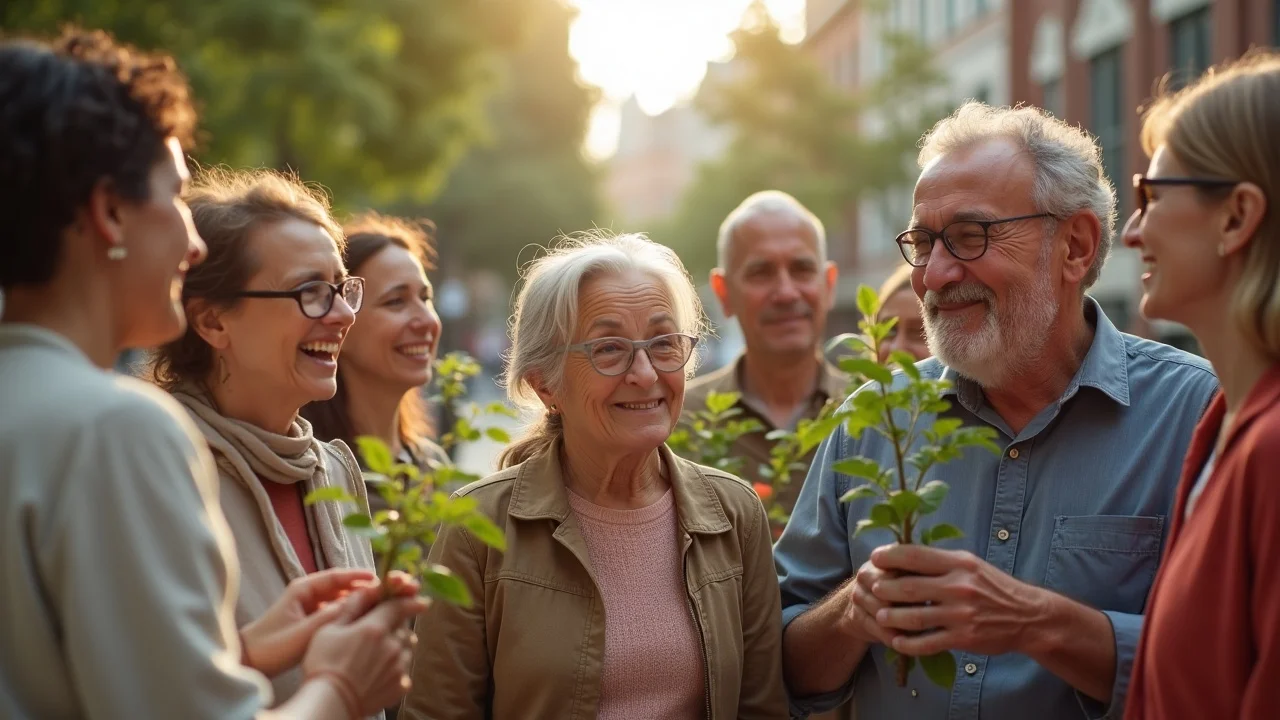
Setting our sites for the next 250 years is as much about courage as it is about continuity. Successful long-term planning demands a frank reckoning with what history—both inspiring and troubled—can teach us. The themes of trust, transparency, and pattern-recognition are not abstract ideals, but practical guides for everyday decisions that ripple outward through generations. Whether through formal tax credits that recognize the role of marriage and family, grassroots giving initiatives, or efforts to lift up the stories of diverse American families, the route to a shared future always circles back to the question: Are we building a legacy of inclusion, creativity, and hope?
If so, we reframe the narrative—not just celebrating the bold actions of the past but consciously setting in motion acts of courage and service that will sustain American life far beyond our immediate view. Through every challenge and turning point, it’s the living fabric of community—woven from countless family units, faith-driven risk-takers, and inspired leaders across all walks of life—that will anchor the next 250 years of progress.
Comparative Table: Long-Term Vision Strategies Across Sectors
Sector |
Approach |
Timeframe |
Notable Example |
Impact on Shared Future |
|---|---|---|---|---|
Family & Community |
Mentorship, intergenerational giving initiative, tradition-innovation blend |
Generational (25–100 years) |
Family reunions; community gardens |
Instills resilience, reinforces lifelong values, supports adaptability |
Faith & Civic Organizations |
Service, moral and religious education, dialogue forums |
Decades–Centuries |
Faith-based food banks, annual service events |
Forges social bonds, transmits ethical frameworks, drives inclusion |
Government & Policy |
Legislation (e.g., tax credits, executive order), public investment |
4–20 years, with generational impact |
Child tax credit, federal infrastructure acts |
Expands opportunity, supports social mobility, incentivizes stability |
Business & Technology |
Values-driven leadership, equity-driven innovation |
5–20 years, scaling over time |
Tech-for-good initiatives, employee wellbeing programs |
Accelerates progress, bridges divides, redefines purpose-driven growth |
Frequently Asked Questions about Setting Our Sites for the Next 250 Years
How does family formation influence our long-term vision?
Family formation sets the foundational values, practices, and expectations that ripple across generations. The stability, nurturing, and adaptability modeled by family units provide essential skills—like resilience and empathy—that influence all spheres of American life. When families thrive, especially where policy aligns with real needs, countries grow more united and prepared to sustain a shared future.
What roles do faith and technology play in preparing for the next 250 years?
Both faith and technology act as powerful engines for change and continuity. Faith institutions transmit moral and religious frameworks that anchor communities in purpose, while technology offers tools for innovation and broader connection. The interplay between them is crucial: faith traditions adapt through digital platforms, and technology becomes more humane when guided by principles rooted in dignity and justice.
Why focus on legacy when planning for hundreds of years?
Legacy is more than memory—it’s the scaffolding for sustained progress and relevance. By focusing on legacy, today’s leaders ensure that lessons of sacrifice, creativity, and resilience are passed forward, equipping new generations to navigate complex futures. Planning for a 250-year horizon puts everyday choices into a larger, shared context.
A Final Reflection on Setting Our Sites for the Next 250 Years and Future Directions
The true test of our vision is not measured in years, but in lives transformed and communities sustained. Let’s keep curiosity, collaboration, and service at the heart of the next 250 years.
To Connect: Schedule a 15 Minute Let Me Know Further Virtual Meeting
Ready to dig deeper or bring your questions to the table? Schedule a 15 minute let me know further virtual meeting at https://askchrisdaley.com—I welcome your insights, your stories, and your partnership in shaping a smarter, kinder, more resilient shared future.



Write A Comment