

Hook: When was the last time you questioned whether the door you see as closed is actually unlocked? History dares us to ask: If freedom comes but we don’t believe it—are we still captive? Juneteenth, perhaps more than any other American tradition, places this vital question front and center. Its story is not only about literal emancipation but about the overlooked, invisible obstacles that linger in our minds, hearts, and communities long after the locks are broken.
A Captivating Question: Have We Truly Unlocked the Door?
Juneteenth challenges us to reflect deeply on what freedom really means—and whether we fully grasp it when it arrives. The day commemorates the moment when the last group of enslaved people in Texas learned they were free, two years after the Emancipation Proclamation. Yet, the larger lesson asks: How much of our confinement is external, and how much dwells in belief or tradition? This isn’t simply a question for the people of Texas in 1865. Even today, in communities across Tampa Bay and around the United States, the pattern repeats. Official change comes, but belief and behavior lag behind. For every unlocked door, there’s a generation still peering through the keyhole, uncertain whether to trust their release.
Recognizing this tension can reshape how we view progress, leadership, and our own limitations. In Tampa Bay and other regions profiled in Harbor Notes community events, African American voices urge us to think about emancipation not only as an event dating back to the days of the Civil War, but as a process—one with fits, starts, and the occasional step back. As we revisit the story of Juneteenth, we invite you to reflect: In your workplace, your relationships, or even your own self-worth, are there places where you assume a barrier stands, simply because it has always been there? The most profound celebration of Juneteenth isn't just honoring the end of slavery—it's unlocking the patterns that keep us from walking freely through open doors.

What You'll Learn by Exploring the Mega Lesson of Juneteenth
Recognize the deeper truth about Juneteenth and personal liberation
Understand the ongoing impact of historical events on today’s communities
Identify patterns that keep people believing they’re trapped—even in freedom
Elevate community voices and learn from lived experience
Apply pattern-based insights to leadership, wellbeing, and faith
The Truth About Juneteenth: Beyond the Emancipation Proclamation
History often shrinks major events into simple headlines—like “Slavery Ended,” or “Civil Rights Won!”—but lived experience is more nuanced. Juneteenth commemorates the day—June 19, 1865—when Union Army troops arrived in Galveston, Texas, and announced that all enslaved people were free, as set forth in the Emancipation Proclamation. Crucially, that proclamation was signed more than two years earlier, in the midst of the Civil War, and many enslaved African Americans in rebelling states had technically been free ever since.
However, in states like Texas where Union troops weren’t present to enforce the law and border states maintained slavery during the final days of the war, the news of emancipation arrived late, if at all. The story of Juneteenth is thus a story of delayed awareness and the arduous journey from external liberation to internal acceptance. Black communities, both then and now, have reflected on what it really means for a door to be unlocked, yet remain stationary. It’s a question that emerges in Harbor Notes interviews, community events, and contemporary rights movements. The lesson—learn the mega lesson of Juneteenth a door can be unlocked for years while people still believe they're trapped—echoes through time, as true today as it was at the end of the Civil War.
This journey from external change to internal transformation is not unique to Juneteenth; it’s a recurring theme in many areas of growth and innovation. For example, developing a healthy mindset when adopting new technologies—such as artificial intelligence—also requires individuals and organizations to recognize and move beyond invisible barriers. If you’re interested in how mindset shifts can unlock new possibilities in modern contexts, explore how developing a healthy AI adoption mindset transforms success for practical insights.
"If you know you’re free, you act differently—the hardest part is not the chains, but learning the chains are gone." – Community Leader Profiled in Harbor Notes
A Pattern Across Time: How Freedom News Echoed Through 250,000 Lives
Imagine: It’s 1865, and 250,000 enslaved African Americans in Texas have lived through the final days of a brutal war, unaware that freedom has technically been theirs for more than two years. When Union Army Major General Gordon Granger and his soldiers deliver General Order No. 3, the news is both liberation and uprooting. Some respond with disbelief, skepticism, or guarded relief—patterns familiar to anyone whose circumstances shift faster than their understanding.
This pattern—unlocking a door, but having generations hesitate to walk through—persists across civil rights, local reforms, and efforts to end slavery (or transform old systems) in every age. Harbor Notes events record how community leaders, faith groups, and alumni of rights movements in Tampa Bay still recognize these moments in the lives of African Americans and others. True freedom is not simply legal; it’s psychological, spiritual, and communal. The story of Juneteenth underscores this by asking us to notice all the ways progress happens quietly, invisibly, and sometimes in spite of ourselves. Learning from their resilience isn’t just an act of honoring the past—it's an urgent lesson in present-day leadership and courage.

Juneteenth as a Symbol: Freedom, Delay, and the Human Spirit
While every Juneteenth celebration is unique—honored in backyard cookouts, church services, and city-wide parades—the symbolism remains constant. The holiday stands not just as Emancipation Day, but as a living testament to the gap between change declared and change believed. The struggles of the 250,000 formerly enslaved people dating back to 1865 mirror those of activists in the civil rights movement or modern-day freedom fighters in Tampa Bay. Declaring freedom is only the start; embracing agency, possibility, and leadership is the ongoing challenge.
As educators and organizers in regions like Tampa Bay explain, the story of Juneteenth continues to shape black community wellbeing, redefining what it means to be free in systems that once denied not only rights, but also dignity. In interviews and short documentaries, both seasoned leaders and new voices warn against assuming the work is done: “Freedom can arrive, but its full blessing is only felt when communities acknowledge, celebrate, and keep pressing for the belief in open doors. ” This is the enduring lesson across civil war, civil rights, and every new era—the chains often linger where minds and hearts have been trained to see them.
Video:
Patterns in Community: Tampa Bay and Other Harbor Notes
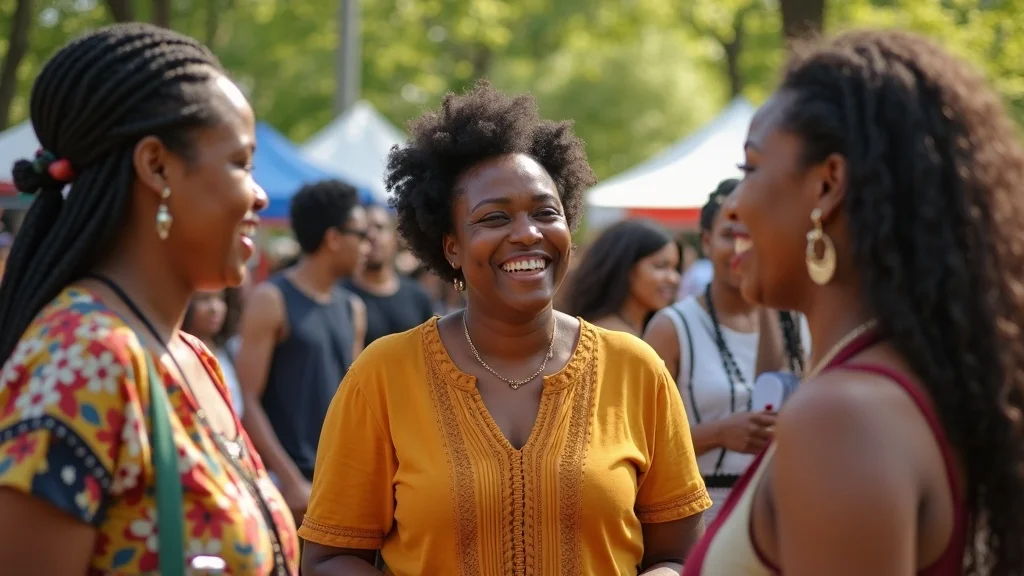
In Tampa Bay, the legacy of Juneteenth remains present through festivals, dialogues, and Harbor Notes events that amplify local African American voices. These gatherings, documented over years, consistently show that the journey from legal abolition to actual felt freedom is full of milestones and setbacks. From the earliest days after the Civil War to the present, each generation faces its own “door moments”—some physical, many psychological. Leaders, freedom fighters, and youth alike address old narratives and ask: are we stepping into new spaces, or circling old thresholds out of habit?
Harbor Notes provides a unique chronicle of these events, offering context and commentary on how Tampa Bay leverages Juneteenth as a platform for greater community cohesion. The celebration is not only for the black community but extends to all who recognize the pattern: change must be taught, practiced, and passed along. When families dance in city parks, when elders share stories beside banners, they model the openness required for community-wide growth and recognition. In every era—whether the fight is against slavery, for civil rights, or toward equity in education—unlocking the door is just the first step. Trust and movement must follow.
Explaining Juneteenth: Lessons for Every Age
Teaching Juneteenth is not just about recounting dates—it’s about sparking curiosity and resilience in every listener. In classrooms, families, and faith gatherings, educators use stories, role-play, and open discussion to guide both the youngest learners and adults through the deeper meaning: sometimes, we have to check for ourselves whether the barriers we see are real or remembered. Emancipation Day is not only a history lesson; it is a daily invitation to examine inherited limitations.
Across Tampa Bay and similar communities, creative lesson plans are springing up—from drawing scenes of open doors to re-enacting the moment freedom was announced. Teachers ask students to reflect on their own “unlocked door” moments, linking personal experience with the story of emancipated African Americans. This helps students develop empathy, a sense of agency, and a broad understanding of how civil rights, social change, and local stories connect. Ultimately, Juneteenth’s biggest lesson for all ages is to be aware, courageous, and proactive when new possibilities arise—at school, work, or anywhere community transformation is needed.
Mini-Interviews: Voices from the Juneteenth Movement
A faith leader on unlocking hope in everyday life: “We preach about freedom as a spiritual truth—but Juneteenth makes it tangible. Our congregation explores not just what we’re set free from, but how we step into that freedom, day by day.”
A local teacher’s approach to Juneteenth in the classroom: “I start by asking students what doors might be open in their own lives—sometimes the lesson clicks when we connect history to personal barriers. When kids understand that belief lags behind change, Juneteenth feels personal.”
A Tampa Bay entrepreneur’s story of overcoming mental ‘locked doors’: “For years, I ran my business with invisible limits. Learning the story of Juneteenth taught me to check—really check—if the restrictions I saw were real. Once I did, I started hiring, expanding, and helping others see what’s possible.”

"We walk past open doors every day, in workplaces, relationships, and our own self-worth. Juneteenth reminds us to check if we're truly trapped or just conditioned to feel that way." – Regional Organizer, Tampa Bay
Table: Comparing 'Unlocked Door' Moments in History
Event |
Community |
Delayed Realization |
Action Taken |
Ongoing Lessons |
|---|---|---|---|---|
Juneteenth |
African Americans in Texas |
2+ years between Emancipation Proclamation and enforcement |
Celebrated emancipation, began organizing, educating |
Freedom must be communicated and believed—not just declared |
Post-Apartheid South Africa |
South Africans (Black, Indigenous, persons of color) |
Continued mistrust, unequal access post-1994 reforms |
Truth & Reconciliation Commissions, new civic structures |
Legal change must be paired with community rebuilding and healing |
Civil Rights Act Aftermath (1964) |
Black and marginalized Americans nationwide |
Slow shifts in education, employment, voting |
Sustained activism, lawsuits, awareness campaigns |
Lasting change requires ongoing vigilance and adaptation |
Local Education Reforms |
Youth, parents, educators in reforming districts |
Barriers persisted after policy changes |
Classroom innovation, dialogue programs, new leadership |
Changes in law are only effective if matched by daily practice |

Key Takeaways: Learning the Mega Lesson of Juneteenth
Freedom often precedes awareness—recognize invisible barriers in your life and leadership.
Change agents must simultaneously unlock doors and spread awareness.
History’s lessons repeat in the present: Ask where you might be free without knowing.
Community dialogue and elevation remain vital for collective liberation.
Video:
FAQs on Juneteenth and the Mega Lesson of Unlocking Freedom
What is the truth about Juneteenth?
Juneteenth marks the day in 1865 when the news and reality of freedom reached the last group of enslaved people in Texas—years after the official Emancipation Proclamation. The period between was marked by both newly unlocked doors and the persistence of old beliefs; many African Americans in Texas continued to work and live as though nothing had changed, while the law itself had already shifted.
What did the 250,000 enslaved people who found out they were free on Juneteenth do?
Responses ranged from immediate celebration to confusion, fear, and skepticism. Some walked away from plantations, seeking family or new futures, while others stayed behind—unsure what freedom meant without support or certainty. The journey from freedom decreed to freedom embraced took time, guidance, and the work of local black community leaders who became educators and role models, unveiling the hidden nature of psychological chains.
What does Juneteenth symbolize?
Juneteenth symbolizes both the joy of liberation and the long road to believing in new possibilities. At every turn, it reminds us that freedom is a process as well as an event—it urges us to notice where empowerment exists but is not yet claimed. The holiday, by highlighting these gaps, encourages both reflection and renewed action, not only for African Americans but for all advocates of justice and wellbeing.
How to explain Juneteenth to a 6 year old?
The simplest way: Explain that sometimes, people wait to walk through open doors—not because they can’t, but because they don’t know they can. Juneteenth helps everyone learn to check the door and help others do the same, just like a teacher reminds a classroom that the rules have changed and it’s okay to play outside together. Everyone deserves to hear the news that sets them free—again and again.

Schedule a Conversation and Continue the Journey
The journey toward true freedom is ongoing—for communities, workplaces, and families alike. If you’d like to continue exploring these patterns, schedule a 15-minute virtual conversation at https://askchrisdaley.com and let’s keep learning, questioning, and unlocking doors together.
Conclusion
Learning the mega lesson of Juneteenth reminds us to both honor visible progress and search out hidden limitations—so every unlocked door becomes a real invitation to step forward, together.
If the story of Juneteenth has inspired you to rethink how change is communicated and embraced, consider how these lessons apply to the rapidly evolving world of technology and leadership. Adopting a forward-thinking mindset is essential not only for social progress but also for navigating innovation in business and community life. For a deeper dive into cultivating adaptive thinking and unlocking new opportunities, discover the transformative impact of a healthy AI adoption mindset and how it can shape future success.




Write A Comment