
Add Row
Add Element
cropper
update

[Company Name]

update
Add Element
  • Home
  • Categories
    • fcmo
    • ai
  • All Posts
  • fcmo
  • ai
March 08.2026
1 Minute Read

How to Maximize Trust Online and Boost Your Reputation Fast

Startling Statistic: “According to Edelman’s Trust Barometer, 81% of consumers say that trusting a brand is a deciding factor in their purchase decisions. ” In the digital age, trust has become the new currency for small businesses—especially those in the minority community, where the hurdles to credibility can feel even higher. But what if you could accelerate building trust and credibility online with simple, proven steps? Let’s break down exactly how to maximize trust online, captivate your audience, and boost your reputation, faster than you ever thought possible.

Startling Statistics: Why Maximize Trust Online Matters for Small Businesses

"According to Edelman’s Trust Barometer, 81% of consumers say that trusting a brand is a deciding factor in their purchase decisions."

  • Rapid growth in e-commerce highlights the need to maximize trust online.

  • Consumers are more cautious than ever, especially when dealing with minority-owned online businesses.

  • Real-world implications: Loss of trust leads to loss of revenue.

As small businesses carve their niche in the vast and competitive digital landscape, establishing and maintaining trust online is non-negotiable. The leap in e-commerce activity since the onset of the pandemic has made customers particularly vigilant—minority-owned businesses, in particular, face unique challenges where mere visibility isn’t enough. Shoppers need to feel safe when engaging in online transactions and sharing personal information on your platform. The stakes are high: without trust, not only do sales decline, but customer loyalty evaporates, eroding your digital reputation and, ultimately, your bottom line.

Building trust is more than just having a professional website; it’s about communicating authenticity, showcasing customer reviews, and demonstrating your business’s integrity with visible signals—like trust badges and transparent policies—that make potential customers feel safe. Real losses in revenue and opportunities happen when trust is compromised, making this a critical focus for every entrepreneur looking to survive and thrive.

maximize trust online modern business owner secure storefront trust badges

What You’ll Learn: Maximize Trust Online to Build Trust and Reputation

  • How to maximize trust online using proven, actionable strategies.

  • Ways to leverage social proof, trust badges, and customer reviews to strengthen building trust online.

  • Optimizing web design and customer service for maximum trust online impact.

  • Understanding the essential elements behind trust and credibility in the digital landscape.

By the end of this article, you’ll be equipped with expert-backed methods to build trust online, reach new heights of customer loyalty, and elevate your reputation—particularly if you’re a minority-owned business seeking to differentiate in a competitive market. Let’s get started.

Table of Methods to Maximize Trust Online

Method

Purpose

Impact on Trust

Display Trust Badges

Demonstrate security/validation

Increases perceived safety

Feature Customer Reviews

Social proof & authenticity

Enhances transparency

Highlight Quality Products and Services

Showcase excellence

Builds reliability

Ensure Clear Contact Information

Increase accessibility

Fosters approachability

Exceptional Customer Service

Support and assistance

Cultivates loyalty

Consistent Social Media Presence

Engagement and reach

Builds familiar connections

This table offers a quick overview of the most effective measures to maximize trust online, each with a direct impact on how potential customers perceive the credibility and reliability of your online business. Implementing these techniques can transform your reputation and boost your conversion rates.

As you implement these trust-building strategies, it's also important to consider how your overall reputation is managed and marketed online. For a deeper dive into actionable steps that complement these methods, explore this guide on reputation management and marketing to further strengthen your brand’s credibility.

The Top 10 Ways to Maximize Trust Online

1. Leverage Trust Badges to Build Trust and Credibility

  • Showcase SSL certificates and payment provider logos.

  • Display third-party verification and secure checkout symbols.

  • Trust badges signal safety—critical for maximizing trust online.

Trust badges are visual icons placed on your website to show that your platform is verified, secure, and genuine. SSL certificates not only encrypt sensitive customer information but also show visitors your commitment to data security. Likewise, payment provider logos such as PayPal, Visa, and Mastercard instill confidence at checkout. Prominently displaying third-party verification—like BBB accreditation or independent review seals—serves as a shortcut to credibility, especially for shoppers unfamiliar with your online business.

Customers often make snap judgments about your website’s safety, so placing trust badges in high-visibility areas like your homepage and checkout page is essential. These signals assure customers their data and payment details are handled securely, which increases conversion rates and builds the kind of confidence needed to maximize trust online.
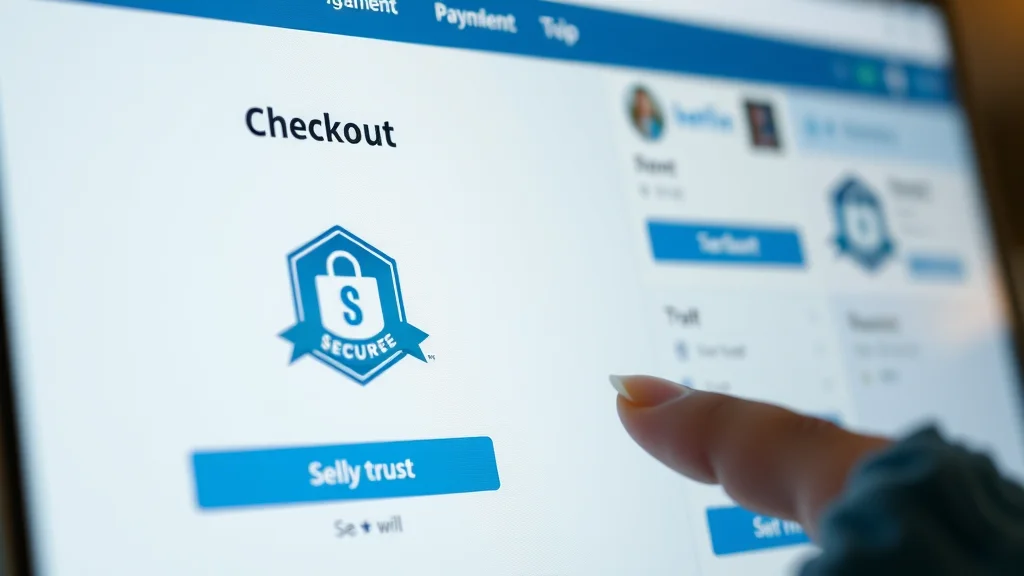
maximize trust online secure payment checkout badges ecommerce

2. Showcase Customer Reviews and Social Proof to Build Trust Online

  • Feature real, verified testimonials prominently.

  • Use platforms like Yelp, Google Reviews, and Trustpilot.

  • Social proof increases trust online and conversion rates.

Customer reviews and testimonials provide the social proof modern customers crave before making purchasing decisions. Verified reviews from platforms such as Yelp, Google, and Trustpilot reveal genuine experiences, helping prospects feel secure in choosing your products or services. Prominently featuring these reviews on your home, product, and checkout pages can dramatically enhance your credibility and build trust online with new visitors.

User-generated content, such as detailed feedback and high ratings, builds transparency and proves your business stands by its promises. In fact, customer reviews not only answer common questions but also directly boost your conversion rates. People trust people—not just brands—so prioritizing customer feedback is one of the most persuasive ways to maximize trust online.

3. Offer Exceptional Customer Service to Maximize Trust Online

  • Implement live chat and timely customer support.

  • Train staff to address concerns efficiently.

  • Building trust online starts with reliable customer service.

There’s no substitute for exceptional customer service in building trust and credibility. Quick, transparent, and empathetic responses—especially via live chat—can turn hesitant shoppers into loyal customers. With online competition fierce, the ability to address questions, complaints, or technical challenges instantly becomes a game-changer for online businesses.

Training your support team to handle requests respectfully and efficiently shows you value every customer interaction. This ongoing commitment to support creates a lasting impression and is crucial to maximizing trust online. For minority-owned businesses aiming to differentiate, a friendly, reliable support experience can quickly build loyalty within communities and earn glowing customer reviews.

customer service team building trust online diverse helpful

4. Maintain Clear and Honest Contact Information for Building Trust

  • List direct emails, phone numbers, and addresses.

  • Transparency helps users feel secure when engaging online business.

  • Contact information is vital for building trust online.

Providing easily accessible contact information—such as direct emails, phone numbers, and physical addresses—is a small action with a big impact. Shoppers want to know there’s a real, reachable person behind the screen, especially when issues arise or questions surface about your products or services. Including contact information in the website footer, Contact Us page, and even on checkout screens, significantly boosts user confidence.

Transparency in how customers can reach you or your team fosters a sense of safety and approachability, which is vital for building trust online. Plus, for small businesses, particularly those owned by minorities, this extra layer of openness helps erase doubts and build local connections—turning website visitors into loyal patrons.

5. Highlight Quality Products and Transparency in Online Business

  • Demonstrate product sourcing, manufacturing, and vetting.

  • Share transparent return and refund policies.

  • Quality products reflect trust and credibility online.

Your commitment to quality products and open business practices speaks volumes. Clearly communicating your sourcing, manufacturing standards, and vetting processes allows customers to see the value behind your offerings. When customers understand how—and why—your products or services stand out, they’re naturally more inclined to trust your brand.

Additionally, having transparent return and refund policies reassures buyers that you stand behind your products. Giving customers the right to send back items or receive support if things go wrong shows that you prioritize their satisfaction. Trust and credibility are built in the details, and ensuring every transaction is grounded in transparency will help you confidently build trust online.

6. Optimize Web Design for Maximum Trust Online

  • Mobile-friendly, fast-loading, intuitively designed sites build trust online.

  • Professional branding and up-to-date layouts increase conversion rate.

  • Web design heavily influences building trust online perceptions.

A website’s design can make or break a first impression. Investing in professional web design—featuring intuitive navigation, fast-loading pages, and a seamless experience across devices—signals that your online business is credible and cares about user experience. Outdated, cluttered, or broken layouts can drive visitors away and undermine trust instantly.

Incorporate clearly visible trust elements, modern branding, and user-friendly features like live chat, easy-to-find contact information, and secure login options. Together, these improvements enhance security and usability, making visitors feel safe, boosting engagement, increasing website traffic, and moving more users through your sales funnel. Web design isn’t just about looks—it’s one of the fastest ways to maximize trust online and turn skeptical browsers into devoted buyers.

web design maximize trust online ecommerce homepage navigation trust

7. Establish a Strong Social Media Presence to Build Trust Online

  • Engage audiences through regular, authentic content.

  • Respond promptly to messages and feedback.

  • Social media humanizes online businesses and strengthens trust online.

Consistent, authentic activity on social media platforms creates vibrant connections and democratizes outreach for small businesses. Sharing regular updates, engaging stories, and responding quickly to comments demonstrates you’re invested and responsive. This kind of transparency builds familiar, ongoing relationships with your audience.

For minority-owned businesses, social media is a powerful channel to tell your story, showcase satisfied customers, and highlight community engagement. By leveraging these platforms, you give potential customers insight into your values and personality, which accelerates the process to build trust online and inspire active brand advocacy.

8. Use Trust Badges to Build Trust—Where and How?

  • Strategic placement on checkout, landing, and product pages.

  • Utilizing various trust badges to reinforce building trust.

  • Visual cues reassure visitors, boosting credibility.

Not all trust badges are created equal—or equally effective. Strategically placing these icons at high-impact locations, such as on checkout pages, landing pages, and near call-to-action buttons, ensures they reinforce credibility at the decision-making point. Mixing different types—security seals, payment provider logos, review badges—creates multiple layers of assurance for users.

For a cohesive approach, incorporate a blend that addresses both safety and quality. This attention to detail, when repeated across your site, maximizes the feeling of security, directly impacting your conversion rate and bolstering reputation in a crowded digital market.

9. Be Consistent and Transparent in Policies to Build Trust Online

  • Clearly state privacy, shipping, and data protection policies.

  • Consistency in messaging builds trust online across all channels.

Transparent, consistently enforced policies are essential to building trust online. Your privacy policy, shipping details, and terms of service must be visible, up-to-date, and easy to understand. These address key customer concerns, such as how their data will be used, when to expect deliveries, and what to do if something goes wrong.

Consistency isn’t just about policy—it encompasses every message and interaction across web and social media channels. This reliability assures customers that whether they’re shopping, asking questions, or seeking support, they can expect the same high standard every time.

10. Personalize Your Approach—Tailored Experiences for Building Trust

  • Personalized offers, content, and communication show you value each customer.

  • User data, when ethically used, should enhance—not invade—trust online.

Personalization signals you see each customer as unique. From custom product recommendations to birthday greetings, small gestures go a long way in making customers feel valued—a crucial component of building trust online. However, personalization must be balanced with ethical, respectful data use. Clear communication about how their information will be used is critical to maximizing trust.

In the minority business community, tailored services also foster inclusivity and strengthen cultural connections. A thoughtful, personalized approach builds rapport, boosts repeat sales, and transforms satisfied customers into outspoken advocates for your business.

building trust online personalized communication owner customer connection

"Visual trust cues, such as badges and authentic customer testimonials, increase conversion rates by up to 42%."

See for yourself: A side-by-side video comparison demonstrates how adding trust badges and authentic customer reviews to a website substantially increases visitor confidence, conversion rates, and repeat user engagement. These visual trust cues can mean the difference between a bounce and a loyal, recurring purchase.

Industry leaders discuss the nuances of building trust online, exploring case studies, actionable strategies, and the impact of technology on minority-owned small businesses. Hear expert viewpoints on elevating your reputation and authenticity in today’s competitive digital environment.

Lists: Quick Wins to Maximize Trust Online

  1. Audit your website for trust online elements.

  2. Add at least three verifiable trust badges.

  3. Collect and display five-star customer reviews.

  4. Refresh your contact information.

  5. Upgrade to secure, mobile-responsive web design.

Begin with these actionable steps to quickly strengthen your online reputation and show new customers you’re serious about trust online.

People Also Ask About How to Maximize Trust Online

How to gain someone's trust online?

  • Provide consistent value through quality products and transparent policies.

  • Engage in open, honest communication and deliver on promises.

Gaining someone’s trust online requires a persistent focus on honesty, quality products, and transparent policies. Address questions without dodging, communicate frequently, and always strive to deliver what you promise. Regular customer engagement—through feedback and follow-up—reinforces that your business can be relied upon, converting casual visitors into loyal brand advocates.

What are the 3 C's of trust?

  • Competence: Showcase expertise and quality service.

  • Character: Be ethical and transparent.

  • Consistency: Maintain reliable actions and messaging.

The 3 C’s of trust—Competence, Character, and Consistency—are foundational to earning and keeping customer loyalty. Displaying competence through well-made products, demonstrating character by acting ethically, and sustaining consistency across communications and policies make your online presence resilient and admirable.

Is it safe to do a trust online?

  • Safety depends on the use of trust badges, secure platforms, and clear policies.

  • Due diligence is essential—reviewing online business credentials minimizes risk.

Safety in building trust online rests on measures like trust badges, platform security, and well-defined privacy policies. Customers should always verify business credentials and look for signs of robust data protection before sharing information. For businesses, going the extra mile to display these safeguards helps customers feel safe and increases conversions.

What are the 4 C's of trust?

  • Competence, Consistency, Character, and Connection are vital for building trust online.

In addition to competence, character, and consistency, connection—actively fostering relationships and engagement—cements trust and credibility over time. Outreach through social media, targeted messaging, and accessible support channels nurtures a genuine bond with your audience, leading to sustained business success.

maximize trust online multicultural team discussing web strategies collaboration

FAQs: Maximizing Trust Online and Building Reputation

  • What are trust badges, and which should I use?

    Trust badges are symbols or icons that vouch for your website’s security, payment processing, or business credibility. Use SSL seals, payment provider logos, and independent verification badges that are well-recognized in your industry to instantly reassure site visitors.

  • How do customer reviews help build trust online?

    Customer reviews provide genuine feedback showing potential shoppers that others have had positive experiences with your business. Highlighting verified reviews builds social proof, answers common questions, and directly supports your reputation.

  • What role does social media play in building trust online?

    Social media lets you engage with your audience, display responsive customer service, and demonstrate your mission and values. A consistent, authentic presence fosters a sense of community, which accelerates trust.

  • How do I ensure my online business appears trustworthy?

    Showcase trust badges, keep your contact information up to date, feature transparent policies, highlight customer reviews, and maintain professional web design. These steps together create an environment where customers feel confident to engage and purchase.

Quote: The Power of Maximize Trust Online in the Digital Age

"Trust is earned in the details—every customer touchpoint can enhance or erode your online reputation." - Chris Daley

Key Takeaways: Strategies to Maximize Trust Online for Minority-Owned Businesses

  • Prioritize trust badges and customer service for instant impact.

  • Quality products and transparent information foster lasting trust.

  • A strong, visible web and social media presence builds credibility among diverse audiences.

Conclusion: Empower Your Online Business—Maximize Trust and Credibility Now

  • Small businesses, especially those in the minority community, thrive by embracing trust-building technology.

  • A commitment to maximizing trust online differentiates your brand, boosts conversion rates, and secures long-term loyalty.

Start making real changes to your digital footprint today—you’ll see stronger relationships and bigger business results.

Building trust online is just the beginning of a robust digital reputation. If you’re ready to take your credibility to the next level, consider exploring the broader landscape of reputation management and marketing. This resource offers advanced strategies for not only protecting your brand but also proactively shaping how your business is perceived across the web. By integrating these insights, you can unlock new opportunities for growth, foster deeper customer loyalty, and ensure your business stands out in a crowded digital marketplace.

Ready to Maximize Trust Online? Take the Next Step

  • Schedule a 15 minute let me know further virtual meeting at https://askchrisdaley.com

Sources

  • Edelman Trust Barometer

  • Shopify - What Are Trust Badges

  • BrightLocal Local Consumer Review Survey

  • Nielsen Trust in Advertising

To further enhance your understanding of building trust online, consider exploring the following resources: “5 Proven Ways to Start Building Trust Online Through Your Website” (pyxl. com) “5 Simple Ways To Build Consumer Trust Online” (termly. io) These articles provide actionable strategies and insights to help you establish and maintain trust with your online audience.


fcmo

1 Views

0 Comments

Write A Comment

*
*
Related Posts All Posts
03.08.2026

What to Pursue in Collge Now? Unlock Your Future Path

Did you know? According to a 2023 survey, more than 60% of college students change their major at least once—revealing just how uncertain and complex the question of what to pursue in collge now has become. With new career paths emerging in technology, business, and healthcare, choosing the right college degree can feel overwhelming—but it’s also packed with opportunity. This guide will help you navigate today’s evolving academic landscape and empower you to make informed decisions that shape your future.A Startling Shift: Why 'What to Pursue in Collge Now' Matters More Than Ever"According to a 2023 survey, over 60% of students change their college major at least once, highlighting widespread uncertainty in educational and career planning."The decision of what to pursue in collge now is more urgent and impactful than at any time in recent memory. The rapid pace of technological disruption, the emergence of flexible and hybrid job market models, and economic shifts have forced students—and especially those from minority communities hoping to power small businesses—to prioritize adaptability and skill set diversification. Traditional paths are being replaced or enhanced by fields such as computer science, health informatics, and social sciences, where new degree programs offer stronger alignment with today’s workforce needs.For incoming college students, the stakes are higher: growth projections for many majors have shifted, and industries are craving talent with digital fluency, critical thinking, and entrepreneurial drive. By understanding the trending college degrees and career prospects, you can strategically shape your college journey to maximize possibilities in an uncertain economy. As we’ll explore, your decision isn’t just about job security—it’s about leveraging your unique strengths to unlock a wide range of career paths in business, tech, health, and beyond.What You'll Learn in This Guide on What to Pursue in Collge NowUnderstand growth projection and career prospects for top college majorsAnalyze trending college majors and sought-after college degreesLearn about dynamic career paths tied to college majorsExplore new technology applications in education and business administrationDiscover success tips for minority entrepreneurs and small business-focused fieldsRanking: 15 In-Demand College Majors to Consider When Asking What to Pursue in Collge NowCollege MajorGrowth ProjectionMedian SalaryCareer Path ExampleComputer Science+23% (2022-2032, U.S. BLS)$131,500Software Developer, Information Systems AnalystBusiness Administration+8%$76,570Business Manager, E-commerce EntrepreneurHealth Informatics+17%$99,730Health Data Analyst, Medical Information SpecialistMechanical Engineering+10%$95,300Product Engineer, Energy ConsultantHuman Resources & Public Relations+12%$67,800HR Specialist, PR CoordinatorSocial Sciences+9%$62,000Social Researcher, Policy AdvocateSTEM Majors (General)+15%$100,000+Chemical Engineer, Data ScientistData Science+36%$122,840Data Analyst, Machine Learning EngineerEnvironmental Studies+8%$76,530Environmental Consultant, Sustainability AnalystSupply Chain Management+28%$77,030Logistics Manager, Procurement SpecialistCybersecurity+35%$112,000Security Analyst, Penetration TesterLiberal Arts+5%$58,000Critical Thinking Advisor, Communications SpecialistMarketing+10%$65,810Digital Marketer, Brand StrategistFinance+16%$96,310Financial Analyst, Investment AssociateEducation Technology+11%$71,000EdTech Specialist, Online Curriculum Developer1. Computer Science: The Versatile College Degree for InnovationSkills gained: Coding, problem-solving, critical thinking, digital project managementCareer prospects in information systems and health informaticsThe field of computer science continues to top the list for both growth projection and earning potential. This college major not only delivers a high-demand skill set but also grants access to a remarkable range of career paths—from software development and artificial intelligence to cybersecurity and health informatics. What makes computer science so valuable is its core focus on creative problem-solving, analytical reasoning, and adaptability.Employers are actively seeking graduates with expertise in information systems, software engineering, and health data analytics. As technology integrates further into healthcare, finance, manufacturing, and business operations, a computer science college degree sets you up for leadership in digital transformation. For minority and small business advocates, skills in tech empower you to innovate, automate, and compete in broader markets—especially as access to digital tools becomes a key driver of small business success.2. Business Administration: Pillar of Modern EnterprisesApplying knowledge to small businessesEmerging fields like e-commerceA business administration degree is a foundation for building, managing, and scaling modern enterprises—especially vital for minority-owned businesses and aspiring entrepreneurs. This degree provides practical exposure to business management, marketing, accounting, and leadership. As companies increasingly shift to online platforms, e-commerce and digital business management skills are becoming more valuable than ever.Career prospects for business administration graduates are vast. From small business ownership to leading large corporate teams or launching a niche online store, this college major opens a wide range of possibilities. You’ll learn to navigate business operations, strengthen your critical thinking, and adopt technologies that enhance efficiency for your future organization or startup. For small businesses in minority communities, business administration is not just about survival—it’s about harnessing tools and strategies to thrive in the digital age.3. Health Informatics: Merging Healthcare with TechnologyOverview of career pathsDemand among minority populationsHealth informatics bridges the gap between healthcare and technology, creating robust career paths for those interested in both fields. With healthcare’s digital transformation, roles like health data analyst, medical information specialist, and healthcare IT manager are seeing major growth projection. These professionals help manage patient data, improve hospital systems, and contribute to better healthcare outcomes—making it a field primed for impact.For minority communities, health informatics presents unique opportunities to advocate for better representation and care access. Demand for diverse health information professionals is high, and the field values those who understand the intersectionality of technology, healthcare, and community needs. With a college degree in health informatics, you can drive positive change while building a strong, future-proof career.4. Mechanical Engineering: Advancing Sustainable SolutionsKey growth projection dataUnique opportunities for minoritiesMechanical engineering is a cornerstone STEM major that plays a pivotal role in advancing renewable energy, sustainable manufacturing, and smart infrastructure. A college degree in this field provides a solid skill set in design, robotics, thermal systems, and energy technologies. The demand for mechanical engineers is projected to grow steadily, with median salaries near six figures and increasing focus on sustainable solutions.Diversity in engineering brings fresh perspectives and innovation. Minority students entering mechanical engineering enjoy unique support through dedicated scholarships, mentorship programs, and professional networks aimed at fostering success and elevating representation in high-growth industries. If you’re passionate about creative problem-solving and building a greener future, this career path is worth strong consideration.5. Human Resources & Public Relations: Shaping People & BrandsImportance in small businessConnection to social sciencesHuman resources (HR) and public relations (PR) are vital functions for organizations of every size, but they’re especially crucial for small businesses seeking stability and growth. HR specialists are responsible for talent acquisition, culture building, and legal compliance, while PR professionals shape external narratives and protect brand reputations.A college major in HR or PR builds a valuable skill set: communication, negotiation, team leadership, and understanding of social sciences. Graduates enter a job market with growing opportunities in business operations, consultancy, and nonprofit management. For small business owners, mastering these skills ensures smoother operations and effective engagement with both employees and the public.6. Social Sciences: Understanding Human Behavior in Modern SocietyTrending social science majorsFlexible career paths for college degreesSocial sciences encompass majors such as psychology, sociology, and political science, focusing on understanding human behavior and societal dynamics. These degrees offer broad career prospects as organizations seek professionals skilled in critical thinking, research, and analytical skills—qualities highly valued across industries facing rapid change.Social science graduates enjoy flexible career paths, from human services and policy development to market research, public health, and urban planning. The adaptable nature of a social science degree makes it an excellent choice for students who wish to address complex social challenges or contribute to meaningful change, particularly in community-based or advocacy-driven careers.7. STEM Majors for the Next Generation: Why Tech is CriticalOverview of chemical engineering and other tech-driven fieldsSTEM majors—including chemical engineering, data science, and IT—are proving to be critical levers for economic mobility and technological leadership. Chemical engineering, for example, combines principles of chemistry, physics, and biology to address urgent challenges like energy transition and food security. The growth projection for STEM fields remains significantly higher than average, with salaries reflecting the urgency of demand.Students from underrepresented backgrounds are now entering STEM majors at increasing rates, leading to more inclusive innovation and the chance to bridge opportunity gaps. By building strong technical foundations, you position yourself at the forefront of transformational industries—ready to adapt in a world where science, data, and problem-solving are prized more than ever.Exploring Lesser-Known Yet High-Growth College MajorsData Science: Exploding demand for professionals who can interpret and apply complex analytics across sectors.Environmental Studies: Responds to climate change, sustainable business, and urban planning needs.Supply Chain Management: Keeps global commerce running efficiently; crucial post-pandemic.Cybersecurity: Defends against escalating digital threats to businesses and governments."Minority students are increasingly entering fields traditionally underrepresented—embracing these creates both empowerment and opportunity."These majors may not always top the headlines, but their growth projection and future impact are undeniable. Fields such as data science and cybersecurity have become central to every sector, attracting students interested in technology’s expanding role in business and society. Environmental studies is emerging as an interdisciplinary powerhouse, tackling real-world challenges from pollution to green energy. Meanwhile, supply chain management is vital for global business continuity, a lesson underscored by recent disruptions.By considering these lesser-known yet high-growth majors, students expand career options and position themselves as innovators. Minority and small business-focused learners, in particular, gain a competitive advantage and the tools to lead new industries—building wealth, fostering community development, and shifting future norms in underrepresented sectors.Navigating College Degrees for the Future: From Passion to ProfessionConnecting Career Pathways to Your Strengths—Not Just TrendsIdentify your personal interests and strengthsResearch growth projections and career prospects for related college majorsMatch values and goals to sectors (e.g., tech, business, social impact)Seek internships, mentorships, or double major for real-world insightPrioritize a flexible skill set that can adapt as industries evolveWhile trends provide important clues, aligning your college major or college degree with individual passions and aptitudes remains essential. Consider where you naturally excel—problem-solving, communication, creative design, technical work—and investigate corresponding degree programs. Use tools, campus resources, and informational interviews with professionals to understand daily realities of each field.Remember: a future-proof career is built on both professional relevance and personal satisfaction. Whether through internships, networking, or dual-degree (like a double major) studies, bridging your interests with solid job prospects offers the most sustainable path forward.The Role of Technology: New Tools and New Opportunities for Small Business AdvocatesEmerging tech in business administration and managementWhy minority-owned businesses benefitTechnology is radically transforming how business is done—from AI-driven analytics in business administration to e-commerce platforms that empower small and minority entrepreneurs. Modern degree programs increasingly blend innovation with traditional business management, enabling students to automate, scale, and reach national or even global audiences.Minority-owned small businesses stand to gain the most by quickly adopting new technologies. These tools reduce barriers, open new markets, and drive economic power within communities. By mastering tech through your college major, you become the leader who ensures small business—and the communities they serve—not only survive but thrive.People Also Ask: What’s the Best College Degree to Get Right Now?Answer: The best college degree depends on personal interests and job market trends, but degrees in computer science, business administration, and health informatics currently lead in growth and career prospects.The right answer balances both personal fit and real-world demand. Computer science and health informatics are surging with job openings, while business administration remains a top pick for its versatility and upward mobility. Consider your own career interests alongside the industries that are expanding fastest for the most resilient path.People Also Ask: What Job Makes $10,000 a Month Without a Degree?Answer: Careers in technology, sales, and business ownership can yield salaries above $10,000 monthly through skills-based or entrepreneurial paths, often without traditional college degrees.The list includes tech roles like web development, IT support, and digital marketing, as well as entrepreneurship in e-commerce or consulting. Many of these positions rely more on a demonstrated skill set and certifications than a specific college major, highlighting the value of practical, marketable abilities in today’s job market.People Also Ask: Why is Gen Z Not Going to College?Answer: Gen Z is re-evaluating college due to rising costs, the availability of alternative learning pathways, and the desire for practical, high-earning career paths outside traditional degrees.Gen Z’s changing priorities reflect skepticism around student loan debt, shifting definitions of success, and belief in skills-based hiring. Coding bootcamps, apprenticeships, and on-the-job experiences are becoming preferred alternatives for those confident in their direction, especially in tech and small business sectors where hyper-specialization or credentials often outweigh degree formalities.People Also Ask: Can You Make $100,000 a Year Without a Degree?Answer: Yes, through skilled trades, entrepreneurship, or in-demand certifications, it’s possible to earn $100,000 yearly without a college degree, particularly in tech or small business sectors.Technology, sales, logistics, and highly skilled trades such as electrical or plumbing can all lead to six-figure salaries with strong demand and entrepreneurial spirit. The key is developing a marketable skill set and leveraging certifications or business opportunities in fast-growing fields.Expert Insights: Quotes from Industry Leaders on What to Pursue in Collge Now"Entrepreneurship paired with technology adoption opens untapped markets, especially for minority communities." – Industry AdvocateIndustry experts agree: the intersection of technology and entrepreneurship is driving remarkable change, particularly in underserved and minority communities. Learning to integrate digital tools with core business strategies allows emerging leaders to break through traditional limitations.Key Considerations: Growth Projection, Career Prospects, and Transferable SkillsAssess growth projections for jobs linked to each college majorAnalyze how broadly your skill set fits across industriesEvaluate job security and potential for career advancementPrioritize college degrees with high employer respect and future adaptabilityWhen weighing college degrees, explore reports from the U. S. Bureau of Labor Statistics, industry skills studies, and job boards that show hiring trends by sector. Seek degree programs that not only offer specialized expertise but also develop real-world skills like communication, critical thinking, adaptability, and technical fluency—these are what future employers are seeking in a rapidly changing economy.FAQs About What to Pursue in Collge NowWhat is the most flexible college major?Liberal arts, business administration, and social sciences are highly flexible majors; they equip you with transferable skills in critical thinking, analysis, and communication that can adapt to many different career paths.Are online college degrees respected in today’s job market?Yes. Accredited online college degrees are increasingly respected, especially when paired with internships, certifications, or hands-on experience. Employers value what you know and can do more than simply where you studied.How do college majors affect long-term earnings?Your college major can impact your starting salary, but ongoing skill development, adaptability, and willingness to embrace new technology play a bigger role in increasing long-term earning potential.Watch now: Animated explainer on trends in college majors and career prospects. Follow clean transitions between growth charts and industry testimonials. This short video guides you through the most in-demand college degrees and explains how to match your career goals with high-opportunity fields—backed by modern, viewer-friendly visuals and actionable advice.Key Takeaways for Deciding What to Pursue in Collge NowTech majors like computer science and cybersecurity are driving job market growth.Business administration unlocks modern enterprise, e-commerce, and small business innovation.Choosing a college degree that aligns with your passion, especially for minority entrepreneurs, empowers not only your own success but also helps close community gaps and foster long-term wealth.Ready to Take the Next Step in Unlocking Your Future Path?Schedule a 15 minute let me know further virtual meeting at https://askchrisdaley.comThe landscape of what to pursue in college now is rapidly shifting—choose a path that combines growth potential with personal strengths, embrace technology, and fuel your community’s success.SourcesBureau of Labor Statistics: Occupational Outlook HandbookNational Association of Colleges and Employers (NACE): Job Outlook 2023Inside Higher Ed: College Majors in DemandPew Research: Gen Z and College ChoicesAsk Chris Daley

03.02.2026

Master Leadership in the Time of Change and Uncertainty Now

Did you know? According to a recent Harvard Business Review study, over 70% of business leaders report feeling overwhelmed to make decisions during turbulent times, yet the companies that drive bold action often outperform their conservative peers by 39% in long-term growth. This gap represents a seismic shift: In today’s world, leadership in the time of change and uncertainty is the new baseline—not a passing trend. Courage, not caution, now drives progress, opportunity, and resilience in small business, especially within minority-owned enterprises. Are you ready to seize your moment?Opening: Leadership in the Time of Change and Uncertainty—The New RealityThe modern business world faces an era marked by rapid change, technological disruption, and global instability. Whether through shifting consumer expectations, unpredictable economic winds, or unforeseen global crises, uncertain times have become the enduring backdrop for leadership. In this new reality, hoping to wait out the chaos or protect their organization by staying cautious is a recipe for stagnation. Fortune favors the brave, not the cautious. The time for courage is now, especially for small businesses and minority entrepreneurs shaping the landscape for the future and their careers.“In uncertain times, fortune favors the brave who lead boldly, not the cautious who step back.”A Surprising Statistic: How Uncertainty Defines Today’s Business ClimateUncertainty is not just anecdotal; it’s quantifiable. Research shows that nearly 68% of small business leaders hesitate or delay bold action amid uncertainty, fearing possible failure more than potential reward. Yet, those who embrace the mantra "fortune favors the brave" are more likely to innovate, respond fast to market shifts, and inspire loyalty—even when the outcome isn’t guaranteed. As the Harvard Business Review emphasizes, the adage is true: leaders are often reluctant to take bold steps, but standing still can be more dangerous than moving forward during turbulent times. The current business climate rewards those who act decisively and accept small steps of risk as a path to bigger results.Why Fortune Favors the Brave in Times of UncertaintySo why does fortune favor the brave, especially now? Uncertain times magnify every decision’s impact—both successes and missed opportunities. Leaders who drive bold action amid uncertainty create a positive narrative, inspiring teams and stakeholders to strive for more. They signal resilience and adaptability, essential qualities as organizations face political, social, and technological uncertainty at every turn. By leading through action, not inaction, you maximize not just survival, but growth. Cautious leaders—those hoping to wait out the storm—risk losing momentum, talented staff, and customer trust to competitors unafraid to innovate. Fortune favors leaders who step forward.What You’ll Learn About Leadership in the Time of Change and UncertaintyKey strategies for leadership in the time of change and uncertaintyThe meaning behind ‘fortune favors the brave’How bold action shapes success in uncertain timesPerspectives from marketing experts and small business advocatesTechnology adoption as a driver in uncertain marketsFortune Favors the Brave: Unpacking the Meaning in LeadershipWhat Does ‘Fortune Favors the Brave’ Mean for Modern Leaders?For leaders today, the phrase "fortune favors the brave" is more than cliché; it’s a strategic imperative. Modern leadership in the time of change and uncertainty is defined by those willing to make decisions without all the answers and to take calculated risks even when the outcome isn’t fully visible. This doesn’t mean reckless abandon but a willingness to move forward with conviction, especially when the team or organization feels overwhelmed to make decisions. Harvard Business Review research shows leaders who take bold action amid uncertainty don’t just weather storms; they create conditions for breakthroughs. Leadership courage, then, is not about avoiding errors—it’s about pursuing opportunity relentlessly and signaling to your team that bold action is not just allowed but expected.Ancient Wisdom for Uncertain Times: A Quick HistoryThis timeless maxim—fortuna audaces iuvat—originates from ancient Rome, where generals and statesmen understood the correlation between risk and reward. History’s greatest advances came not from hoping to wait out uncertainty, but from acting ahead of it. Today, the phrase resonates with leaders facing a rapidly changing technological and social environment. In the face of political and economic volatility, adopting the ancient wisdom of bold action reflects a deep understanding of opportunity: those who are proactive and innovative consistently outperform those who play it too safe. Reluctant to take bold action amid uncertainty? Remember, small steps in the right direction fuel momentum and inspire others—stagnation breeds more uncertainty.Fortune favors leaders who choose bold action amid uncertainty, setting the tone for those they lead.ApproachDescriptionEffect in Uncertain TimesBold ActionProactive, innovative, and courageous decisionsDrives opportunity, motivates teamsCautious ActionConservative, incremental decisionsRisk of stagnation, loss of momentumThe Time for Courage: Why Leadership Must Evolve NowWhy Is Leadership Courage Important to Realize These Changes?We live in a world where technological uncertainty and shifting economic tides leave no industry untouched. Most leaders face relentless pressure to protect their organization from risk, while also driving innovation. Yet, business review after business review confirms that only those who evolve and display leadership courage will transform uncertainty into opportunity. Leadership in the time of change and uncertainty doesn’t mean acting impulsively, but rather choosing to confidently drive bold action in the face of ambiguity. Courageous leaders decide when others waffle—setting a tone for agility and creativity. For small businesses, it is the willingness to take the first step, even when reluctant to take bold action amid uncertainty, that separates the thrivers from the merely survivors.Courageous Leadership in Challenging Times: Real-World ExamplesThe landscape is full of examples where business leaders—especially in minority-owned companies—have demonstrated that fortune truly favors the bold. Consider organizations that pivoted fast to digital channels during the pandemic, or businesses that embraced emerging technologies before their peers. Take Ranjay Gulati’s research: he identified that companies prioritizing bold action, rapid feedback loops, and open communication outperformed competition by remaining ahead of customer needs. Real leaders adapt to technology shifts not by waiting, but by betting on innovation to drive results. Incremental wins in these areas don’t just add up; they multiply a team’s trust and willingness to innovate.Feedback loops and responding to dynamic conditionsRanjay Gulati insights: Leadership in uncertaintyAdapting to technology shifts embracing bold action amid uncertaintyDriving Bold Action Amid Uncertainty: Strategies for Small BusinessesHow to Drive Bold Action Amid Uncertainty: Steps for LeadersFor small businesses—often operating with limited resources and higher stakes—leadership in the time of change and uncertainty is about framing uncertainty as a canvas for opportunity. Begin by committing to frequent, transparent communication with your team, level-setting the reality but emphasizing a positive narrative about the future. Encourage and reward calculated risk-taking, not just flawless execution. Embrace technology as a core lever; don’t wait for clarity before experimenting. Celebrate each small step forward—these incremental wins steadily build the confidence necessary for bolder moves. Define metrics that reinforce bold initiatives, ensuring everyone sees progress as a team sport rather than an individual gamble.Bold Action vs. Paralyzing Caution: Shifting Your Team's MindsetToo often, teams in uncertain times default to caution, fearing any misstep could threaten survival. As a leader, it’s your job to drive bold action amid uncertainty by helping your team see boldness as the safer long-term choice. Promote open dialog where mistakes are learning opportunities, and emphasize how bold action is often a series of small steps, not one grand leap. Reveal the hidden costs of waiting: lost momentum, missed markets, and atrophying team morale. Reference the Harvard Business Review showing that organizations who shifted mindset from risk-aversion to opportunity-seeking were more resilient, innovative, and capable of thriving regardless of external pressures.Communicate transparently and frequentlyEncourage calculated risk-takingEmbrace technology as a lever for opportunityCelebrate incremental wins to fuel courageEstablish clear metrics for bold initiatives"If you want different results, you must take different actions—even when the result isn't guaranteed."Expert Voices: Ranjay Gulati and the Case for Bold LeadershipRanjay Gulati on Fortune Favors the BraveIn his studies, Harvard Business School professor Ranjay Gulati confirms what small business advocates have long experienced: fortune favors the brave, especially among underrepresented entrepreneurs and those championing innovation in outdated sectors. Gulati urges leaders to build agile organizations that adjust rapidly, not by accident but by intention. His research in the Harvard Business Review shows that those who nurture open cultures and challenge the status quo outperform risk-averse companies—making bold action amid uncertainty the new gold standard. By driving bold initiatives even when conditions are unclear, leaders build credibility, foster team courage, and set their business on a trajectory to greater heights.Lessons from Minority-Owned Businesses Driving Bold ActionMinority-owned small businesses provide a masterclass in courageous leadership. Facing unique systemic barriers and often lacking access to the same resources as established players, these entrepreneurs have consistently turned adversity into advantage. By leveraging technology, building strong community support networks, and remaining nimble in the face of changing market demands, they embody the fortune favors the brave philosophy. Leadership in these businesses shows that risk-taking—supported by feedback, mentorship, and openness to change—propels not just survival but innovation and growth. Their stories are a blueprint for all businesses facing uncertain times: Make bold decisions, learn fast, and don’t wait for guarantees.For small businesses especially, leadership in the time of change and uncertainty is about turning adversity into advantage.Technology Adoption: A Pillar of Leadership in the Time of Change and UncertaintyHow Tech Empowers Leaders to Drive Bold ActionAdopting new technology is no longer optional—it is a pillar of effective leadership in the time of change and uncertainty. Embracing digital tools, automation, and data-driven platforms enables leaders to make faster, better-informed decisions. This not only boosts efficiency but also positions small businesses to pivot rapidly as new challenges or opportunities arise. Thriving minority-owned businesses, in particular, leverage technology to level the playing field, streamline customer experiences, and expand reach beyond local geographies. The most successful leaders become digital role models, signaling that risk-taking and innovation are woven into the organization’s DNA.Case Study: Bold Action in a Minority-Owned Small BusinessConsider the story of a minority-owned café in a shifting downtown landscape. Amid socioeconomic disruptions, this business could have waited out the chaos. Instead, it adopted a customer rewards app, revamped its online ordering, and leaned into local partnerships. Sales not only stabilized—they grew beyond pre-crisis levels. This bold action amid uncertainty exemplifies why tech adoption is essential: it provides leverage, opens new revenue streams, and signals resilience both internally and externally. The lesson is simple: Small steps leveraging available technology can create a future-proof foundation for continued growth, no matter what comes next.Strategies to Drive Tech Transformation Amid Uncertain TimesWondering how to start? Begin with a needs assessment and invest in platforms that support remote work, customer engagement, and streamlined operations. Seek expert advice, leverage government grants, and prioritize user-friendly solutions that require minimal training. Above all, communicate the strategy openly: show your team how digital adoption supports their roles and the overall vision. Research shows that teams who understand the ‘why’ behind new technology are more willing to experiment and provide feedback. Celebrate quick wins and make ongoing training part of your culture. Innovation is less about one dramatic leap and more about steady, persistent steps forward.People Also Ask: Leadership in the Time of Change and UncertaintyWhat does Fortune favors the brave mean?The phrase highlights that those willing to take risks, particularly in tumultuous times, are more likely to gain rewards. Applied to leadership in the time of change and uncertainty, it calls leaders to be proactive and confident.Why is leadership courage important to realize these changes?Leadership courage is essential because navigating uncertainty requires decisive risk-taking and a willingness to stand by transformative choices. Without courage, leaders miss opportunities for innovation and growth—especially during times when staying still is the greatest risk of all.What is courageous leadership in challenging times?Courageous leadership goes beyond standard management, emphasizing bold, transparent decisions that inspire confidence and enable forward momentum even when outcomes are unpredictable. Such leadership creates momentum, builds trust, and signals a commitment to progress—not just status quo.What does courage mean in leadership?Courage in leadership means taking responsibility for tough calls, prioritizing long-term growth over short-term comfort, and cultivating resilience in others during uncertain times. It’s the driving force behind turning adversity into opportunity.Lists: Essential Characteristics of Leaders Who Thrive in UncertaintyVisionary thinkingDecisivenessEmpathyAdaptabilityAbility to inspire bold actionFAQs: Mastering Leadership in the Time of Change and UncertaintyHow can small businesses emulate successful bold leadership?Start by observing how resilient leaders operate: set clear goals, communicate openly, and be willing to take calculated risks. Build feedback loops, encourage team learning, and quickly implement new ideas when market conditions shift. Celebrate progress, even in small increments, and model courage in your daily decisions.What are actionable steps for adopting technology amid uncertainty?Assess your most urgent needs, research user-friendly technology platforms, and start with pilot projects. Apply for small business grants when available and partner with local community leaders for support. Ongoing training and transparent communication make new tech initiatives stick—and turn risk into routine progress.How does leadership style impact organizational resilience during change?Visionary, courageous leaders inspire organizational resilience by framing challenges as opportunities and encouraging innovation at all levels. Risk-averse or indecisive leadership, by contrast, can stifle creativity and leave organizations trailing competitors in rapidly changing environments.Key Takeaways: Fortune Favors Leaders Who Act with CourageNavigating uncertainty demands bold, not cautious leadership'Fortune favors the brave' is a powerful principle for progressTech adoption is a practical lever for small business resilienceConclusion: Leadership in the Time of Change and Uncertainty—Embrace Bold Action Now"In the era of disruption, leadership in the time of change and uncertainty is a call to step forward bravely. Fortune truly favors the bold."Take Your Next Bold Leadership StepSchedule a 15 minute let me know further virtual meeting at https://askchrisdaley.comSourcesHarvard Business Review – Leading Through DisruptionForbes: Ranjay Gulati on LeadershipU.S. Small Business Administration: Technology Through Uncertainty

02.05.2026

Unlock the Magic of branding power—You’ll Never Go Back

Have you ever wondered what separates thriving brands from businesses that barely get noticed? What if unlocking the true magic of branding power could propel your business to heights you never imagined—especially if you’re a minority entrepreneur in today’s digital world? Welcome to a revealing editorial aimed at transforming how you think about your brand, your identity, and the incredible momentum you can build. We’ll unravel why branding power is your most potent asset and how to harness it so your business doesn’t just survive — it thrives. Are You Underestimating the Branding Power That Could Transform Your Business? Far too many businesses—especially minority-owned small operations—underestimate the sheer force of branding power. It’s not just about a polished logo or a catchy tagline anymore. For small business owners who want to stand out from the competition, a strong brand can be the key differentiator that not only attracts new customers but fosters a loyal customer base, drives brand recognition, and delivers real bottom line impact. When you build your brand power, you don’t just create a feel good story—you gain respect, credibility, and trust in your market. Today’s competitive digital marketplace is noisy and fast-paced. If you don’t actively cultivate your brand image and invest in the right technology, you risk being ignored—even if your product or service is top notch. This editorial provides real-world strategies, expert insights, and actionable tips to help minority-owned businesses and all brands discover what makes your business unique in the eyes of your target audience. Ready to learn what it really takes to make your brand impossible to ignore? What You'll Learn About Branding Power in This Opinion Editorial The true impact of branding power on minority-owned small businesses How to make your brand stand out and thrive in a crowded digital marketplace Ways to measure brand power and brand equity effectively Why embracing technology is essential for power brands today Expert insights from a seasoned marketing journalist Branding Power: The Foundation of Every Power Brand Brand Power Defined—Beyond the Logo What is the Power of Branding? "Branding power is the invisible force that differentiates thriving businesses from those that fade into obscurity." Branding power isn’t just about surface aesthetics—it represents the total value your business brings to the marketplace. A powerful brand communicates its purpose and values at every touchpoint, cultivating trust and making your brand memorable with minimal effort. This goes beyond stunning visuals; it’s about building a reputation for consistent quality, setting expectations, and earning fierce brand loyalty. Whether you’re running a top branding agency or a neighborhood boutique, the power brand advantage is real: your story, your customer experience, and your promise define how you win hearts and wallets alike. Branding Power and Minority-Owned Small Businesses—A Lifeline for Growth For minority-owned small businesses, branding power becomes a true lifeline. A compelling brand strategy helps break through barriers, shatter stereotypes, and communicate your core values directly to your customer base. For every successful minority entrepreneur who built a strong brand, there’s a story of resilience, inspiration, and empowerment. By crafting a brand identity wrapped in authenticity, and harnessing technology to promote your story, you set yourself apart—just as powerful brands have done for generations. This is how you create a loyal customer base that comes back again and again, and your business develops a brand image that feels like a top brand, not an underdog. How to Make Your Brand Impossible to Ignore Clarify your brand purpose and message: Define what makes your brand unique and why your customer base should care—consistency here builds brand recognition and equity. Leverage social media to amplify power brands: Invest in targeted content and engagement strategies on the platforms your target audience uses most—this is where real brand power grows. Commit to measurable brand power metrics: Don’t just hope you’re succeeding—measure brand power through loyalty scores, online reviews, and customer feedback. Partner with a reputable branding agency: Experts can refine your brand strategy, helping you hit the mark and stay ahead of brands vying for attention. Harness technology to elevate your brand equity: Automation, analytics, and digital branding tools bring efficiency and insight that powerful branding can’t live without. By working through this actionable list, you ensure your brand doesn’t just make noise, but resonates on every level. This is how effective brands become household names and create an undeniable emotional connection with their communities while also driving commercial success. Brand Power Metrics: How to Measure Brand Power with Impact Top Tools and Strategies to Measure Brand Power Method What It Measures Best For Brand Equity Surveys Perceived value and loyalty Established brands Social Media Analytics Engagement & sentiment Emerging power brands Net Promoter Score (NPS) Customer advocacy All business sizes Market Share Analysis Competitive strength Growth-focused brands Understanding how to measure brand power ensures you’re making strategic moves instead of operating on guesswork. Each tool above gives insight into different aspects of your brand equity. For example, the Net Promoter Score (NPS) is a proven metric to gauge customer loyalty and advocacy—key drivers for building a loyal customer base that makes your brand impossible to ignore. Meanwhile, social media analytics reveal how your target audience feels about your brand image in real time. By reviewing these insights, you make smarter decisions, refine your message, and keep your power brand ahead in a crowded field. Why Every Branding Agency Should Help You Measure Brand Power Partnering with a reputable branding agency isn’t just about getting a logo design or a website refresh; it’s about consistent guidance and data-driven direction. The best agencies see themselves as strategic partners. They don’t just help you create a powerful brand—they ensure you measure brand power along the way, adjusting campaigns and messaging based on customer feedback, net promoter metrics, and ongoing online reviews. A top branding agency brings expertise, objectivity, and the tools to track your growth every step of the journey—helping your business gain the brand recognition and impact it deserves. Power Brands: Case Studies from Minority-Owned Enterprises Success Stories—How Minority Entrepreneurs Make Their Brand Unforgettable "Investing in branding power has transformed my small business into a community icon—technology was the game changer." — Small Business Owner Consider the journeys of minority entrepreneurs who forged power brands against the odds. These are not just commercial victories—they’re stories of community engagement, creative pivots with technology, and truly effective brand storytelling. Businesses that once struggled to attract attention are now celebrated as models of success, thanks to a relentless focus on authentic messaging, consistent customer service, and leveraging both traditional media and social media for brand recognition. The lesson is clear: integrating innovation with branding power can turn a local café, a boutique, or a service provider into a top brand their community loves and trusts. These stories are inspiring not just because of the recognition achieved, but because of the ripple effect: more entrepreneurs see what’s possible, and more communities get behind businesses that reflect their values. By nurturing a strong brand identity and taking every opportunity to measure brand power, these owners become role models for effective brand building in underrepresented communities. The Role of Technology and Social Media in Building Brand Equity Leveraging Social Media to Strengthen Branding Power If you want to grow a powerful brand in today’s world, you must invest in social media—not just as a broadcast channel, but as an engagement powerhouse. From Instagram to TikTok to LinkedIn, the most effective power brands listen, respond, and foster two-way conversations that build trust with their customer base. Social media amplifies your brand’s voice, increases brand recognition, and gives you full control over your narrative in real time. Every post, every interaction, every campaign is an opportunity to measure brand sentiment, gather actionable feedback, and reinforce your unique value proposition to your target audience. Minority-owned brands, in particular, have found that a strong brand presence online unlocks new markets, strengthens existing communities, and makes your brand accessible to diverse customer segments nationwide. Your investment here isn’t just about going viral—it’s about building a loyal customer community that proudly advocates for everything your brand has to offer. Emerging Technology Tools that Power Brands Love Technology tools are transforming the way brands build, track, and adapt their identities. Emerging tech—from advanced analytics dashboards and automated review aggregators to creative AI for brand storytelling—empowers small businesses to compete with much larger players. For instance, AI-driven platforms help brands predict customer trends, personalize offers, and even measure brand power in real time. Automation streamlines campaigns, while integrated CRM systems help deliver seamless customer experiences that foster brand loyalty. For today’s power brands, embracing technology isn’t just about convenience—it’s a strategic necessity that future-proofs your brand equity and maximizes every opportunity for growth. People Also Ask About Branding Power What is the power of branding? Branding power is the cumulative effect of messaging, design, values, and reputation that propels a business ahead of competitors and enables lasting loyalty. What is the meaning of brand power? Brand power refers to the influence, recognition, and financial value a business garners in its market due to strong branding and brand equity. What are the 4 pillars of branding? The 4 pillars are brand identity, brand communication, brand experience, and brand loyalty—all contributing to robust brand power. What company owns Brand Power? Brand Power is owned and operated by Buchanan Group, a global marketing services company specializing in branded content. Branding Power in Action: A Video Exploration FAQs on Branding Power How can small businesses increase their branding power? Small businesses can boost their branding power by clarifying their core values, embracing professional brand design, leveraging social media, monitoring customer feedback, and investing in technology to track and measure brand effectiveness. What mistakes should be avoided when building branding power? Avoid inconsistent messaging, neglecting to measure brand power, ignoring online reviews, and underestimating the value of customer service—all of which erode brand equity and hinder growth. How important is consistency for branding power? Consistency is critical for effective branding. Strong brands maintain unified visuals, messaging, and customer experiences across every interaction, building trust and maximizing brand loyalty. What role does customer feedback play in brand equity? Customer feedback is the backbone of improving brand equity. It reveals what makes your brand resonate (or not), shapes future decisions, and signals where you need to improve for greater brand power. Key Takeaways: Unleashing Branding Power for Minority-Owned Small Businesses Branding power is crucial for growth and survival in today’s marketplace. Technology and social media are essential allies for power brands. Every business can measure brand power—knowledge is strength. Partner with experts and agencies to maximize your brand equity. Final Thoughts: Take the First Step to Harness Branding Power Schedule a 15 minute let me know further virtual meeting at https://askchrisdaley.com Ready to unlock the magic of branding power for your business? The journey begins today—take the step and watch your brand transform for good.

Terms of Service

Privacy Policy

Core Modal Title

Sorry, no results found

You Might Find These Articles Interesting

T
Please Check Your Email
We Will Be Following Up Shortly
*
*
*