

Imagine stepping into a workplace buzzing with the energy of generative AI—digital assistants streamline tasks, real-time feedback informs decisions, and teams interact with AI-infused workflows. Yet behind the scenes, confusion lingers, skepticism surfaces, and a subtle sense of friction shapes each conversation. The promise of artificial intelligence feels abundantly clear in strategy slides, but in the daily reality of work, the distance between innovation and trust feels all too real. For true AI success adoption, organizations quickly discover it’s not technical prowess or access to AI tools that make the difference. Instead, it comes down to how they are willing to redesign work, build trust, develop talent, and fiercely protect the quality of human judgment.

What You’ll Learn in This Article
Why AI success adoption depends on how organizations redesign work, build trust, develop talent, and protect the quality of human judgment
How generative AI complicates old patterns of leadership and collaboration
Common hurdles in AI adoption and lessons from psychological safety research
Frameworks for responsible AI and maintaining human judgment
Quotes and examples from practitioners leading AI transformation
Setting the Stage: How AI Adoption Exposes Deep Organizational Questions
AI adoption cuts deeper than installing new technology or automating repetitive workflows. Whether you manage a global enterprise or a nimble startup, bringing generative AI into the everyday rhythms of your organization almost always reveals profound, often unspoken questions. Will employees interpret change as opportunity—or as a threat? Can a governance framework actually anchor ethical decisions, or do ambiguous standards erode trust? Most importantly, what happens to human judgment—the subtle art of choice, creativity, and critique—in this era of automation? AI success adoption depends on how organizations redesign work, build trust, develop talent, and protect the quality of human judgment, but these are not challenges you solve with a one-time workshop or a slick AI strategy. As artificial intelligence becomes embedded in everyday work, the differences between hope and skepticism, thrive and stall, are all about how people feel, how leaders listen, and how you protect the roots of trust.
Understanding the Core Principle: AI Success Adoption Depends on How Organizations Redesign Work, Build Trust, Develop Talent, and Protect Human Judgment
Why Redesigning Work Flows is Central to AI Adoption

For AI adoption to drive real change, organizations can’t simply bolt AI tools onto existing processes and expect transformative results. Generative AI introduces new possibilities for efficiency and insight, enabling teams to move faster, make AI-driven decisions, and adapt to real-time trends. However, without a deep commitment to redesign work, most organizations find themselves trapped in patterns where AI outputs create as much confusion as clarity. Teams must thoughtfully reimagine roles around outcomes—not just outputs—and build clear expectations into day-to-day workflows. This means defining where human creativity remains non-negotiable and where automation truly adds value. Done well, redesigning work is not about replacing humans but about elevating employees by embedding new AI systems that amplify decision-making, stakeholder engagement, and organizational wellbeing.
Change of this magnitude can feel disruptive, particularly when employees interpret change as a loss of autonomy or purpose. That’s why change management rooted in collaboration, communication, and shared experimentation is essential. Leaders should co-create the blueprint for integrating AI, setting clear quality standards and iterating with the teams closest to the work itself. By inviting practitioners and frontline workers into the redesign process, organizations are more likely to anticipate areas of resistance and build the flexible, resilient workflows that define lasting AI transformation.
As organizations navigate these shifts, cultivating the right mindset is just as critical as redesigning workflows. Exploring how developing a healthy AI adoption mindset transforms success can provide practical strategies for overcoming resistance and fostering a culture that embraces change.
The Crucial Link: Building Trust in Generative AI
No matter how advanced your technology stack, AI adoption often stalls when trust erodes. Employees need more than technical training—they need to believe in the intent behind the transformation and understand how AI systems will affect their day-to-day experience. Generative AI complicates this picture, sometimes amplifying old anxieties about jobs or the accuracy of AI outputs. Here, psychological safety becomes the catalyst: people feel emboldened to question, suggest, and improve the change process without fear of reprisal.
Building trust is not a box to check; it’s a posture for leaders and teams. Leaders model transparency by surfacing uncertainties early, clarifying intent, and acknowledging the limits of what AI can and cannot do. When organizations invite cross-functional dialogue and create space for candid feedback, they directly invest in the psychological safety that allows real trust to grow. Over time, the routines of open dialogue, learning from mistakes, and recognizing the human expertise required to interpret change help renew the foundation upon which effective AI transformation stands.
Developing AI Talent Without Sacrificing Human Judgment
Upskilling for the AI era goes far beyond technical training. Organizations serious about sustainable AI must blend digital literacy with emotional intelligence and critical thinking. AI success adoption depends on how organizations redesign work, build trust, develop talent, and protect the quality of human judgment—not just pushing for mastery of new tools but prioritizing ethical reflection and contextual awareness. The best AI leaders deliberately bridge gaps, pairing technical experts with business strategists and encouraging employees at every level to question, experiment, and co-create new approaches.
This is especially vital as over-reliance on automation risks diminishing not just skills but also the human nuance that guides ethical, context-aware decisions. Strong governance frameworks support this by making ethical considerations explicit and requiring frequent calibration of roles and responsibilities. The result: a culture that develops talent in full—harnessing AI’s speed and scale, while nurturing the judgment and creativity that make humans irreplaceable.
Guarding the Core: Human Judgment in the Age of AI Transformation

When organizations rush to automate without clear boundaries, they risk eroding the very capabilities that set them apart—intuition, creativity, and ethical discernment. Human judgment remains central, especially when interpreting ambiguous data, negotiating values-based tradeoffs, or responding to unpredictable market shifts. In high-trust environments, workers engage confidently with AI outputs, raising concerns when something doesn’t look right and bringing lived experience to bear on every decision.
Preserving human judgment is about embedding feedback loops, clarifying escalation paths when decisions cross ethical thresholds, and ensuring checks-and-balances within AI systems. These design choices don’t slow down innovation; they make AI adoption sustainable and deeply human at scale. Above all, organizations that succeed with AI transformation understand: the quality of technology matters, but the quality of human decision-making is non-negotiable.
Table: Organizational Priorities for AI Adoption
Traditional Tech Rollouts |
AI Adoption Priorities |
|---|---|
Process automation |
Redesigning work flows around outcomes |
Technical upskilling only |
Blending technical skills with ethical judgment and emotional intelligence |
Standard change management |
Building psychological safety and persistent trust |
Focus on efficiency |
Protecting and upgrading the quality of human judgment |
Minimal oversight |
Establishing explicit governance frameworks for responsible AI |
Profiling the New Organizational Landscape: Generative AI’s Disruptive Influence
Generative AI and the Remaking of Team Dynamics
Introducing generative AI into teams reconfigures everything from brainstorming sessions to decision reviews. It can accelerate collaboration, make AI outputs accessible in real time, and reveal new organizational patterns. But it also introduces new points of friction, especially if roles are unclear or if psychological safety is low. In organizations where AI adoption happens responsively—alongside thoughtful strategy and cross-disciplinary input—team dynamics often improve: silos break down, information flows more freely, and people feel valued for their unique perspectives. However, without careful leadership, AI tools risk amplifying pre-existing biases or inequalities, causing confusion and mistrust.
What differentiates high-performing teams in this context is not just how well they use advanced technology—but how they learn together, surface tensions, and revisit assumptions. By anchoring team culture in trust and open dialogue, organizations can ensure that generative AI lifts collective capability rather than undermines it.
Pattern Recognition: When Psychological Safety Fuels AI Adoption
Study after study—and countless practitioner anecdotes—emphasize that tech upgrades alone do not deliver sustainable results. Instead, psychological safety consistently predicts whether people will interpret change optimistically, propose creative applications for AI, or instead build quiet resistance. Organizations that prioritize psychological safety find themselves able to move faster, learn from missteps, and better interpret ambiguous AI outputs. This is the environment where responsible AI thrives, standards matter, and innovation is not at odds with wellbeing.
A key pattern to watch: when employees are encouraged to challenge automation without fear, the overall quality of AI decision-making improves. Healthy dissent and curiosity allow organizations to avoid hidden pitfalls and surface fresh insights. When psychological safety is missing, AI adoption feels imposed, not embraced—and trust in both technology and leadership wanes.
Mini-Interview: An Expert’s View on Psychological Safety and AI Transformation
"You can’t unlock the best of human creativity or judgment unless people feel safe enough to push back against automated outputs." – [Expert Name], AI Transformation Leader
This expert perspective underscores why ai success adoption depends on how organizations redesign work, build trust, develop talent, and protect the quality of human judgment. Leaders who intentionally cultivate environments where dissent is welcome and clarity is prioritized set the stage for lasting, meaningful transformation. AI strategy is only as effective as the willingness of people to experiment, question, and take responsible risks.
When AI Adoption Fails: Patterns, Cautionary Tales, and Insights
Lack of psychological safety creating resistance
Insufficient strategies for responsible AI governance
Over-reliance on automation—diminished human judgment
Talent gaps: mismatches between technical skills and ethical complexity

The pains of failed AI adoption usually trace back to predictable roots: unaddressed skepticism, missing governance frameworks, and the presumption that smart technology will naturally lead to smart decisions. Whenever organizations neglect to center human judgment, encourage candid feedback, or invest in upskilling for complexity—not just compliance—the risk of missed value and growing mistrust skyrockets. A robust AI strategy must deliver more than functional upgrades; it needs to protect the lived, interpretive experience of employees.
Spotlight: Redesigning Work for AI Success Adoption
Case Study: Governance Frameworks Building Trust with AI
"We reimagined job roles around outcomes, not outputs, and included an explicit governance framework to guide AI integration." – [Organizational Change Agent]
Organizations that lead in this space do so by weaving ethics and transparency tightly into the structure of work itself. By rethinking jobs as a blend of human insight and AI-enabled support, they define new pathways for accountability and learning. A governance framework becomes a living contract, surfacing potential dilemmas, clarifying escalation points, and establishing who is ultimately responsible for decisions. With governance embedded, innovation and trust flourish together—ensuring the transformation is not just technological, but also human and sustainable.
Human Judgment: Lessons from Teams Who Got It Right
The difference in organizations that thrive with AI transformation can almost always be traced to how they cherish and cultivate human judgment. Successful teams practice explicit reflection after key decisions, build in pauses for ethical consideration, and celebrate when individuals use their voice to improve processes. Here, robust feedback loops and culture of respect transform what could be blind automation into a source of new learning and responsible growth.

Building Trust: The Foundation for Responsible AI Adoption
Leadership Practices that Anchor Trust in Generative AI

Leaders set the tone for AI adoption. Openness, vulnerability, and genuine listening are fundamental. Effective leaders do more than advocate for technology—they surface their own learning moments, frame mistakes as learning opportunities, and model humility in the face of complexity. Trust grows where clear expectations are set, employee engagement is prioritized, and questions are welcomed, not punished.
With AI systems advancing rapidly, trust is also anchored by consistency: leaders who return again and again to purpose and intent help colleagues interpret change positively. By creating routines for reflection, transparent decision criteria, and regular team check-ins, organizations build a foundation of trust that outlasts any single tool or project.
Story: Fostering Psychological Safety Amid AI-Driven Change
One organization facing a massive AI rollout made a deliberate shift: instead of starting with technical protocol, executives hosted open forums for employees to ask anything—no questions off-limits. These sessions surfaced real fears, led to the appointment of ethical ombudsmen, and ultimately stabilized the process during a period of rapid technological change. Over time, teams became more willing to interpret unexpected AI outputs, escalate issues, and co-design new safeguards—proving that psychological safety is a catalyst for innovation, not an obstacle.
Establishing a Responsible AI Code: What Works and Why
"The best AI transformation stories are less about tech and more about leaders earning trust, clarifying intent, and surfacing fears early." – [AI Strategy Lead]
Responsible AI starts with explicit principles, but it succeeds when those principles guide daily behavior. A responsible AI code translates into practical habits—regular audits of AI systems, collaborative scenario planning, transparency about potential risks, and strong alignment with organizational values. The power of such codes lies in clarity and accountability. When everyone from the C-suite to the frontline recognizes the non-negotiables, responsible innovation becomes both collective and enduring.
Nurturing Talent: Preparing Teams for AI-Driven Workflows
Blending Upskilling and Emotional Intelligence in AI Adoption

To make AI truly effective, organizations must see talent development as both a technical and a human journey. Upskilling for AI includes not only hands-on practice with digital tools, but also deep work on reflection, collaboration, and navigating the ethical tensions unique to intelligent systems. Emotional intelligence—the ability to read context, recognize impact, and adapt to ambiguity—is the difference-maker. Programs that blend these dimensions foster not just technical fluency, but also resilience, adaptability, and principled decision-making.
Supporting this growth requires integrating feedback mechanisms, encouraging knowledge-sharing across functions, and creating a culture where learning is valued as highly as technical output. Organizations that invest here see greater engagement, more creative adaptation, and smoother integration of AI into real work.
Patterns in Developing AI Talent and Leadership
Among the strongest organizations, a culture of continuous learning is ubiquitous. Leadership development is directly tied to AI capability, with senior leaders participating in upskilling alongside recruits. Success patterns include hands-on mentoring, job rotation to expose employees to various AI systems, and built-in time for reflection and ethical debate. By matching technical growth with leadership maturity, organizations preserve human judgment and make AI transformation both safe and sustainable.
[Embed a short video highlighting interviews with leaders discussing trust, work redesign, and enduring human judgment in the context of AI]
Video highlighting leader interviews on redesigning work, building trust, and protecting human judgment during AI adoption.
Safeguarding Human Judgment in the Era of Generative AI
Tensions: Automation vs. Human Judgment—What Works, What Doesn’t
AI can accelerate routine decisions, flag outliers in real time, and reduce human error in many domains. Yet when organizations over-rely on automation, they risk diminishing context, missing edge cases, or losing accountability for complex outcomes. The art is in knowing when to let AI lead—and when human expertise must moderate, interpret, or even override machine conclusions. What works: feedback loops, transparent algorithms, and escalation policies. What fails: unchecked automation, ambiguous roles, and silence in the face of ethical dilemmas.
Responsible AI adoption—including robust governance frameworks—means never abdicating final decisions to machines. When organizations formalize human checkpoints and clarify responsibility, they preserve innovation and safety.
A Community-First Perspective: How Frontline Workers Experience AI Adoption
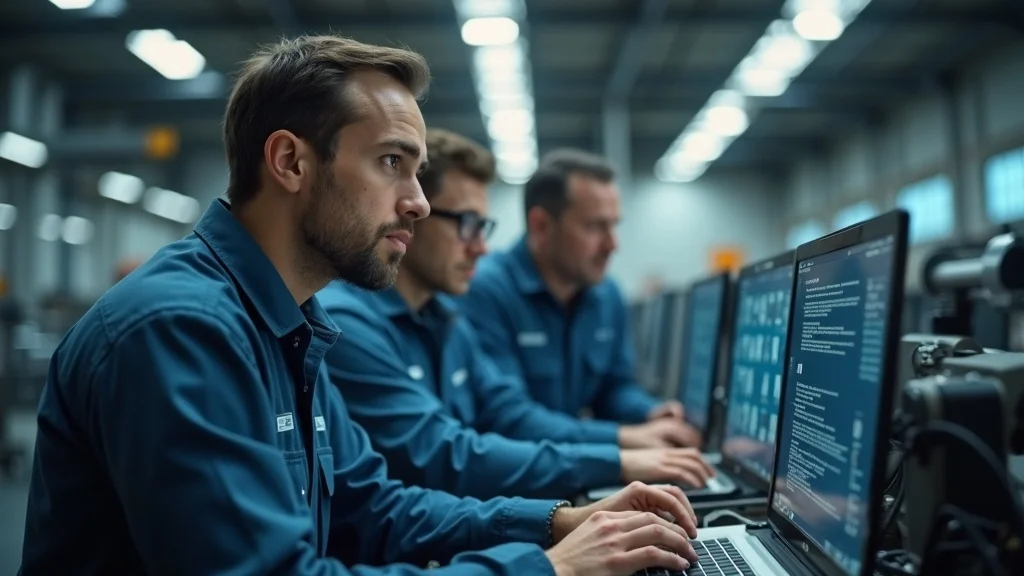
Frontline workers often have the clearest vantage point on both the benefits and the drawbacks of new AI systems. Their buy-in—or their caution—shapes how AI adoption plays out in practice. When organizations invite these voices early and respond to feedback, trust grows and adoption deepens. When they’re ignored, technology becomes yet another source of friction. The best approach: field regular listening sessions, create roles for “AI champions” among frontline staff, and ensure transparent updates as AI tools evolve. Ultimately, community-first adoption strengthens both performance and wellbeing.
Governance Frameworks: Guardrails Against Deskilling
A strong governance framework does more than set ethical guidelines; it protects against deskilling and ensures employees retain meaningful, judgment-driven roles. This means clarifying which AI decisions are automated, which require human override, and how learning from AI errors feeds back into training and process improvement. By making these commitments explicit, organizations avoid the pitfalls of “automation without accountability” and empower employees to continually adapt and grow.
[Embed a candid discussion or panel about maintaining psychological safety and responsible AI governance during rapid transformation]
Lists: Practical Questions to Ask Before Kicking Off Your AI Transformation
How will adopting AI redefine core job roles?
Are there governance frameworks in place to ensure responsible AI?
How is psychological safety cultivated for candid dialogue?
In what ways are we supporting the continued development of human judgment?
What are our strategies for ongoing talent development?
People Also Ask: Frequently Raised Questions about AI Success Adoption
What are the biggest barriers to successful AI adoption?
Barriers include organizational resistance, lack of trust, insufficient leadership, and failure to prioritize responsible AI and human judgment. These issues contribute to confusion, skepticism, and a disconnect between the vision of AI transformation and actual daily impact.
How can organizations develop trust during AI transformation?
Organizations cultivate trust by being transparent about intent, surfacing concerns early, inviting cross-functional dialogue, and upholding strong responsible AI governance. This openness helps people feel safe raising questions and taking responsible risks.
Why is human judgment still vital in AI adoption?
Human judgment helps contextualize AI outputs, provides ethical oversight, and ensures decisions reflect lived experience, nuance, and organizational values. No matter how advanced your AI tools become, the ability of people to interpret, challenge, and improve on machine-generated insights is irreplaceable.
FAQs on AI Success Adoption and Redesigning Work
How should organizations get started with AI adoption?
Begin by redesigning workflows and fostering trust through clear communication and psychological safety.What is a governance framework in the context of AI transformation?
A set of processes and policies ensuring that AI use is transparent, ethical, and aligned with organizational values.How can leaders support the development of AI talent?
Invest in upskilling, promote cross-training, and integrate reflection on ethical implications of AI use.
Key Takeaways: AI Success Adoption in a Trust-First Organization
AI success adoption depends on a holistic redesign of work, persistent trust-building, and continuous protection of human judgment.
Embedding responsible AI strategies and governance frameworks preserves psychological safety and encourages innovation.
The true mark of AI transformation is improved organizational wellbeing, not just technical advancement.
If You’re Ready to Rethink Work and Trust in Your AI Journey
Schedule a 15 minute let me know further virtual meeting at https://askchrisdaley.com
If you’re looking to deepen your organization’s approach to AI transformation, consider broadening your perspective beyond process and technology. Adopting a healthy AI mindset is foundational for long-term success, empowering teams to adapt, innovate, and thrive amid rapid change. For a more comprehensive look at how mindset shapes outcomes and practical steps to foster resilience, explore the article on developing a healthy AI adoption mindset. This resource offers actionable insights to help you build a culture where trust, learning, and human judgment remain at the heart of every AI initiative.




Write A Comment